










Filing Cabinet Choices for Cleaner Workstation Planning
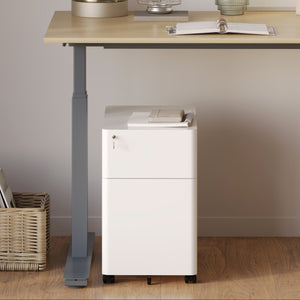
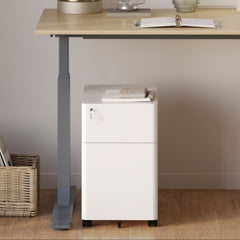
Cleaner workstation planning starts with filing storage that matches the desk, document volume, security needs, and daily workflow. Explore how cab...
Learn more
Visit quiz page to see how we makes it easy to create an inspiring workplace


Motivation is often described as a mental skill. People search for productivity techniques, time management strategies, or motivational routines to stay focused throughout the day. However, one powerful factor is frequently overlooked: the physical environment where work happens.
Furniture influences posture, movement, comfort, and even emotional state. When a workspace feels cramped, uncomfortable, or disorganized, motivation drops quickly. On the other hand, when the environment supports the body and reduces friction, it becomes easier to stay engaged and productive.
Designing a workspace with intentional furniture choices can transform motivation from something you struggle to maintain into something your environment naturally supports.
The human brain constantly responds to physical surroundings. Layout, lighting, and furniture placement all affect how we feel and behave. A cluttered workspace can increase stress, while a well-structured one encourages focus.
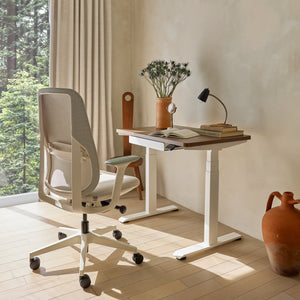
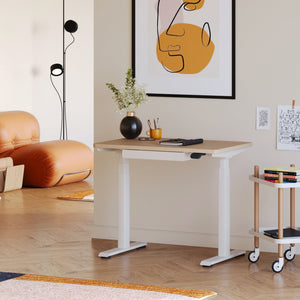
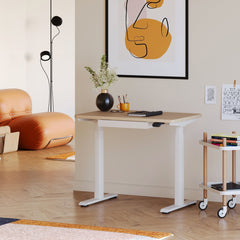
For many people working in smaller rooms or apartments, a compact setup anchored by a Mini Standing Desk California solution helps create a dedicated work zone without overwhelming the space. A defined workstation signals to the brain that it is time to work.
When furniture supports your workflow, motivation improves because the environment removes barriers instead of creating them.
A workspace designed intentionally can influence:
Daily energy levels
Ability to concentrate
Physical comfort
Mental clarity
Motivation is not just internal. It can be affected by your environment.
Remaining seated for long periods reduces circulation and can lead to fatigue. When the body becomes stiff, the brain often interprets that physical discomfort as mental exhaustion.
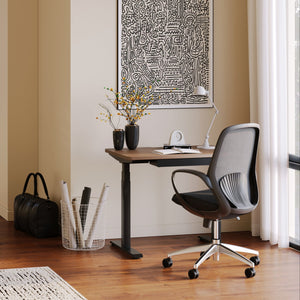
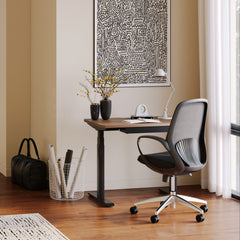
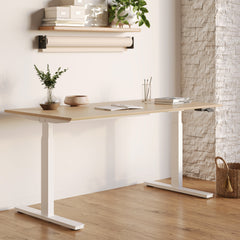
An adjustable standing desk allows you to shift positions throughout the day. Alternating between sitting and standing stimulates circulation and keeps the body active.
Benefits include:
Improved blood flow
Reduced fatigue
Increased alertness
Changing posture creates small mental resets. Even brief standing periods can refresh attention and restore energy levels.
Movement should be part of the workspace design, not an afterthought.
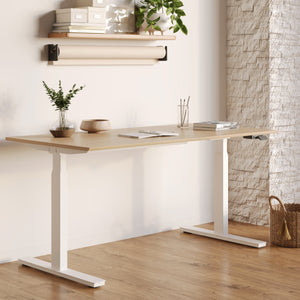
A stable desk surface allows you to focus on work without constantly adjusting equipment. When furniture feels solid and reliable, the workspace becomes predictable.
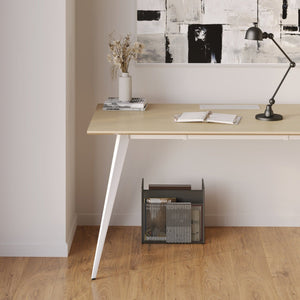
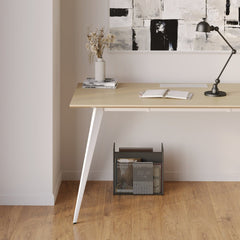
A streamlined office desk with sufficient depth helps keep monitors, keyboards, and documents aligned.
Consider these layout principles:
Keep frequently used tools within reach
Maintain clear desk space
Position screens at comfortable viewing distance
Clutter demands attention. Clean surfaces reduce cognitive overload and make it easier to stay motivated during complex tasks.
A well-organized desk provides a calm visual environment.
Research on the science of productivity design highlights how workspace environments affect motivation and performance. Structured environments reduce cognitive fatigue and support sustained focus.
When physical discomfort or environmental chaos interrupts workflow, motivation declines quickly.
A supportive environment does not just make work easier. It increases the likelihood that you will remain engaged in tasks longer.
Improper screen height can cause neck tension and headaches, which negatively impact motivation.
Using an adjustable monitor arm lifts screens off the desk and positions them at eye level.
Advantages include:
Better posture alignment
Reduced neck strain
More usable desk space
Position your primary monitor directly in front of you. Off-center screens cause constant head rotation, which increases fatigue.
A properly positioned monitor helps maintain concentration.
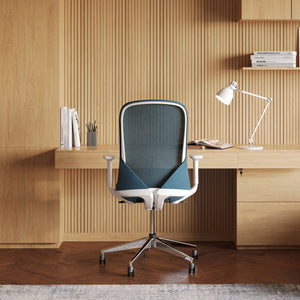
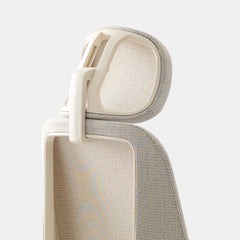
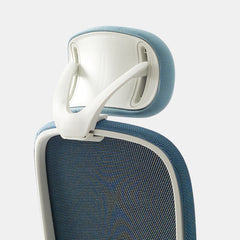
Comfortable seating is essential for long work sessions. A supportive ergonomic office chair helps maintain neutral spine alignment and reduces muscle tension.
When seating supports posture:
Focus lasts longer
Physical discomfort decreases
Energy remains stable
Motivation is easier to sustain when the body feels supported rather than strained.
|
Furniture Element |
Negative Setup |
Motivating Setup |
|
Desk height |
Too high or too low |
Adjustable and aligned |
|
Seating support |
Flat or rigid chair |
Ergonomic support |
|
Screen placement |
Below eye level |
Eye-level alignment |
|
Desk clutter |
Overloaded surface |
Minimal and organized |
|
Movement options |
Static sitting |
Adjustable desk transitions |
Understanding these factors helps create a workspace that actively supports motivation.
Even in shared rooms, a clearly defined desk area strengthens focus.
Keep unnecessary items outside your immediate sightline.
Helpful tips:
Limit décor near your desk
Maintain clean surfaces
Store unused tools away
When your workspace remains organized, your brain spends less time adjusting to the environment and more time focusing on tasks.
Consistency builds productive habits.
Over time, furniture choices shape daily work patterns. A workspace that supports comfort and clarity helps maintain consistent performance.
Long-term benefits include:
Reduced physical strain
Improved concentration
Higher work satisfaction
Increased productivity
Motivation becomes easier when the environment supports rather than challenges your workflow.
Motivation often disappears when work feels unnecessarily difficult. Many times, the issue is not the task itself but the small inconveniences in the workspace.
If your chair constantly needs adjustment, your screen feels too low, or your desk feels crowded, the brain experiences subtle resistance every time you begin working. These small frustrations accumulate throughout the day.
Reducing friction in your workspace can immediately improve motivation.
A well-designed workspace encourages action rather than hesitation.
Consider these improvements:
Keep essential tools within arm’s reach
Maintain clear desk space for active tasks
Position lighting to reduce eye strain
Maintain consistent furniture placement
These small design choices reduce interruptions and keep momentum flowing.
When your workspace remains organized and comfortable, starting work becomes easier each day. The environment becomes a cue for productivity.
Instead of relying entirely on discipline, your workspace helps guide your behavior. Furniture placement, posture alignment, and visual clarity all work together to support motivation.
A well-designed environment turns focus into a habit rather than a struggle.
Before beginning your next work session, use this checklist to ensure your furniture supports motivation.
Position desk in a dedicated workspace area
Align monitor at eye level
Maintain organized desk surfaces
Choose ergonomic seating
Alternate between sitting and standing
Keep frequently used items within reach
Maintain clear visual space
Position lighting to reduce glare
Avoid unnecessary clutter
Reevaluate workspace setup regularly
Motivation is not simply a mental effort. It is strongly influenced by the environment you work in. When furniture supports posture, movement, and organization, productivity becomes easier to sustain.
A workspace designed intentionally becomes a tool that fuels motivation rather than draining it.


You have unlocked free shipping!
You're saving $29 and unlocked free shipping!
Leave a comment