



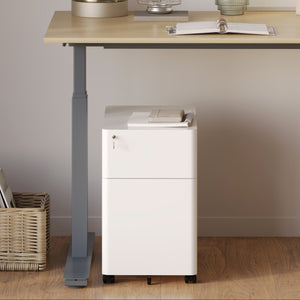






















Filing Cabinet Choices for Cleaner Workstation Planning
Cleaner workstation planning starts with filing storage that matches the desk, document volume, security needs, and daily workflow. Explore how cab...
Learn more
Visit quiz page to see how we makes it easy to create an inspiring workplace


Furniture placement has a powerful effect on how a room feels, even when the pieces themselves stay the same. One of the most influential layout decisions is whether to use symmetry or asymmetry. Symmetry creates calm and order, while asymmetry brings energy and movement. Neither approach is better by default. The key is understanding how each one affects mood, focus, and flow, especially in workspaces and multi-use rooms. When furniture placement aligns with how you want a space to feel, the room becomes easier to live and work in.
A well-planned setup supported by Office Desk California options can help create balance that feels intentional rather than forced.
Symmetry means mirroring furniture on both sides of a central point. Asymmetry means balancing different pieces through visual weight rather than identical placement. Both approaches rely on balance, but they achieve it in different ways.
Symmetry often feels:
calm
predictable
formal
grounding
Asymmetry often feels:
dynamic
relaxed
creative
modern
Knowing which mood you want helps guide layout decisions.
The human brain naturally seeks patterns. Symmetry satisfies that instinct.
reduced visual stress
easier focus
sense of stability
feeling of control
center the main furniture piece
mirror items like lamps or chairs
keep spacing equal on both sides
align furniture with architectural features
Asymmetry still uses balance, but it avoids strict mirroring.
creates visual interest
allows flexibility
feels less rigid
supports creative thinking
Research on how interiors shape behaviour shows that environment directly influences attention, comfort, and mood. Layout plays a major role in that response.
In focused work environments, symmetry helps reduce distraction.
desk centered on the wall
equal space on both sides
balanced lighting
minimal visual noise
place the desk at the visual center
keep storage evenly distributed
avoid clutter on one side only
align monitor and accessories
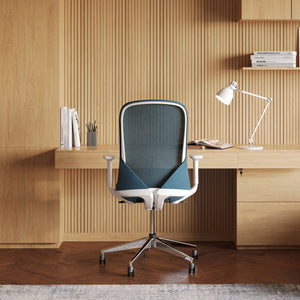
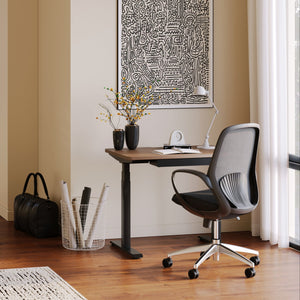
A clean office desk placed symmetrically creates a strong anchor for concentration.
Tasks that require repetition, accuracy, or long focus sessions benefit from predictable layouts.
remote professionals
administrative work
analytical tasks
Asymmetry shines in spaces that need to adapt. It allows furniture to respond to how the room is actually used rather than how it looks on paper.
Asymmetrical layouts are ideal when:
the room is small
the space has multiple functions
natural light comes from one side
furniture pieces vary in size
Asymmetry makes a room feel lived-in rather than staged.
A large object on one side can be balanced by several smaller ones on the other.
desk on one side, shelving on the other
chair balanced by a plant or lamp
storage balanced by open space
vary height instead of width
mix solid and open pieces
use light colors to offset heavy furniture
leave negative space intentionally
Asymmetry supports movement and posture changes.
reduces stiffness
improves energy
makes the room feel active
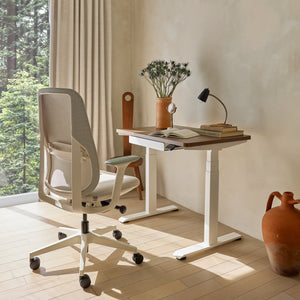
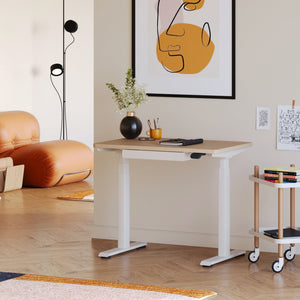
A flexible standing desk fits naturally into asymmetrical layouts because it does not rely on strict centering.
Chairs and accessories often determine whether a layout feels intentional or accidental.
A supportive office chair works in both symmetrical and asymmetrical setups, as long as it fits the scale of the desk and room.
A clean monitor arm reduces visual clutter, making either layout feel lighter and more balanced.
|
Layout Style |
Emotional Effect |
Best Use |
Potential Drawback |
|
Symmetry |
Calm and stable |
Focused workspaces |
Can feel rigid |
|
Asymmetry |
Dynamic and relaxed |
Creative spaces |
Can feel messy if unplanned |
|
Centered desk |
Clear anchor |
Home offices |
Needs wall space |
|
Offset desk |
Flexible flow |
Small rooms |
Needs balance cues |
|
Mixed approach |
Balanced comfort |
Multi-use rooms |
Requires planning |
Furniture placement should support daily habits.
Do you need deep focus or flexibility?
Is the room used by one person or many?
Does natural light favor one side?
Does the space need to change often?
start with the largest furniture piece
test layouts before committing
avoid blocking walkways
trust how the room feels, not just how it looks
Many rooms benefit from a hybrid approach.
symmetrical desk area with asymmetrical storage
centered seating with offset accents
balanced lighting with varied furniture shapes
When furniture placement is balanced, the room feels easier to use. You move more naturally. Focus improves. Stress decreases. Whether through symmetry or asymmetry, balance helps the space support your mood instead of fighting it.
The goal is not perfection. It is comfort, clarity, and flow.
decide the mood you want the room to have
choose symmetry for focus and calm
choose asymmetry for flexibility and creativity
balance visual weight, not just size
keep walkways clear
use accessories to fine-tune balance
allow space for movement
adjust until the room feels natural
Furniture placement is a quiet design choice with a loud impact. When balance is intentional, your space feels more comfortable, functional, and emotionally supportive every day.
Not every room should feel the same, and that is where symmetry and asymmetry become powerful tools. The emotional effect of furniture placement changes depending on how the space is meant to be used. A room designed for focus benefits from different balance choices than a room designed for creativity or relaxation.
Understanding this distinction helps you design spaces that support your goals instead of working against them.
When a room is used for concentrated work, symmetry helps reduce mental noise.
fewer visual distractions
predictable environment
easier mental orientation
stronger sense of order
center the desk or main work surface
keep storage evenly distributed
align lighting and accessories
avoid uneven clutter buildup
Spaces used for brainstorming, collaboration, or multi-purpose living benefit from looser balance.
allows visual movement
feels less rigid
adapts better to change
encourages exploration
offset furniture instead of centering everything
mix heights and shapes
balance heavier pieces with open space
let natural light guide placement
Whether you choose symmetry or asymmetry, the key is intention. A room feels uncomfortable when balance happens by accident. When furniture placement is deliberate, the space feels confident, calm, and supportive.
The most successful interiors are not perfectly mirrored or completely freeform. They are balanced in a way that matches how the room is lived in every day.


You have unlocked free shipping!
You're saving $29 and unlocked free shipping!
Leave a comment