



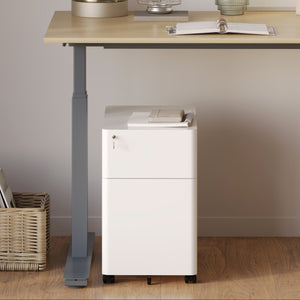






















Filing Cabinet Choices for Cleaner Workstation Planning
Cleaner workstation planning starts with filing storage that matches the desk, document volume, security needs, and daily workflow. Explore how cab...
Learn more
Visit quiz page to see how we makes it easy to create an inspiring workplace


Chronic back pain rarely comes from one bad day at a desk. It builds quietly over time. The chair felt fine at first. The desk was just slightly too high. The posture habits that slowly became routine. Furniture design plays a much larger role in back health than most people realize. When furniture fails to support the body’s natural alignment, the spine absorbs the strain. Over weeks and months, that strain turns into discomfort, stiffness, and persistent pain. Understanding how furniture design affects the back is the first step toward creating a workspace that protects your health instead of working against it.
Back pain is rarely caused by a single movement. It usually develops through repetition. Sitting for long hours in a chair without proper support forces muscles to compensate. Over time, the lower back collapses, shoulders roll forward, and the spine loses its neutral position. Furniture that does not encourage proper alignment makes these habits feel unavoidable.
The problem is not sitting itself. The problem is sitting in furniture that does not adapt to the body. Poorly designed seating and work surfaces silently train the body into unhealthy patterns that eventually become painful.
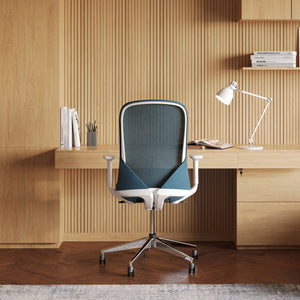
The chair is the most influential piece of furniture when it comes to back health. A well-designed chair supports the spine’s natural curve, keeps the pelvis stable, and distributes weight evenly. A poorly designed one allows slouching and uneven pressure to become the default.
Key chair design elements that affect back pain include:
consistent lumbar support
proper seat depth
stable base and frame
balanced backrest resistance
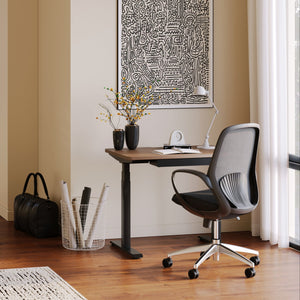
For those working long hours, choosing a Los Angeles Office Chair that supports spinal alignment can significantly reduce daily strain and long-term discomfort.
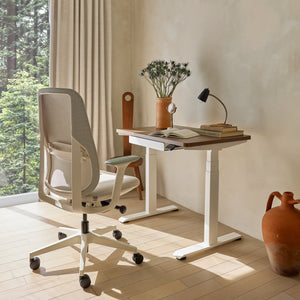
Desk height plays a direct role in back pain. When a desk sits too high, shoulders lift and the upper back tightens. When it sits too low, the body leans forward, increasing pressure on the lower spine. Over time, these small misalignments lead to chronic discomfort.
Back-friendly desk habits include:
keeping elbows near the body
maintaining neutral wrist position
avoiding forward lean while typing
supporting upright posture
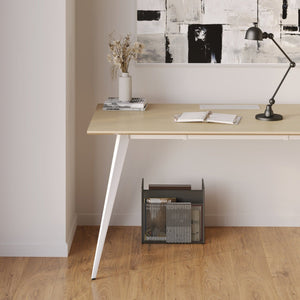
A stable office desk provides the foundation needed to maintain these habits consistently throughout the workday.
Even furniture with good design cannot protect the back if it forces the body into one position all day. Static sitting reduces circulation and increases pressure on the spine. Muscles fatigue faster, and discomfort sets in sooner.
Design that allows subtle movement reduces this stress. Furniture should support posture while still encouraging shifts in position.
Alternating between sitting and standing helps relieve spinal compression. Furniture that supports this flexibility allows the back to recover throughout the day rather than absorb continuous strain.
Benefits of movement-supportive setups include:
reduced lower back pressure
improved circulation
less stiffness at day’s end
better energy levels
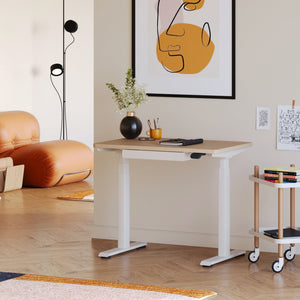
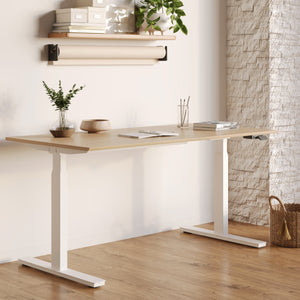
A thoughtfully designed standing desk supports this balance by allowing posture changes without disrupting focus.
Selecting seating is not about appearance or cushioning alone. According to guidance on how to choose an ergonomic chair, proper seating should support the natural curve of the spine, allow feet to rest flat, and keep hips aligned slightly above knees.
Ignoring these principles increases the likelihood of developing long-term back pain, even if discomfort is not immediate.
|
Furniture Element |
Design Focus |
Impact on Back Pain |
Best Use |
|
Supportive chair |
Spinal alignment |
Reduces lumbar strain |
Long sitting |
|
Adjustable desk |
Movement |
Relieves compression |
Extended days |
|
Stable surface |
Balance |
Maintains posture |
Focused work |
|
Ergonomic seating |
Adaptability |
Prevents chronic pain |
Daily use |
Furniture design shapes posture habits without conscious effort. A chair that lacks support encourages slouching. A desk that forces forward reach encourages leaning. Over time, these behaviors become automatic.
According to good posture guidelines, proper alignment depends on furniture that allows the body to remain neutral without constant correction.
Helpful design-supported posture habits include:
feet flat on the floor
back supported while sitting upright
shoulders relaxed
head balanced over the spine
No one sits perfectly all day. Fatigue changes posture. Focus shifts body position. Furniture that adapts supports the back through these changes rather than resisting them.
A supportive ergonomic chair allows small adjustments that reduce strain as the body moves and tires. This adaptability is critical for preventing pain over long workdays.
Chronic back pain is not inevitable. It is often the result of furniture that fails to support the body’s natural needs. When design prioritizes alignment, movement, and adaptability, the spine stays protected.
Before committing to furniture, use this checklist:
Does the chair support your lower back consistently?
Does the desk height allow relaxed shoulders?
Can you change positions throughout the day?
Does the setup support neutral posture naturally?
Does the furniture adapt as your body tires?
Furniture should work quietly in the background, supporting your back without demanding attention. When design and function align, long-term comfort becomes achievable.


You have unlocked free shipping!
You're saving $29 and unlocked free shipping!
Leave a comment