























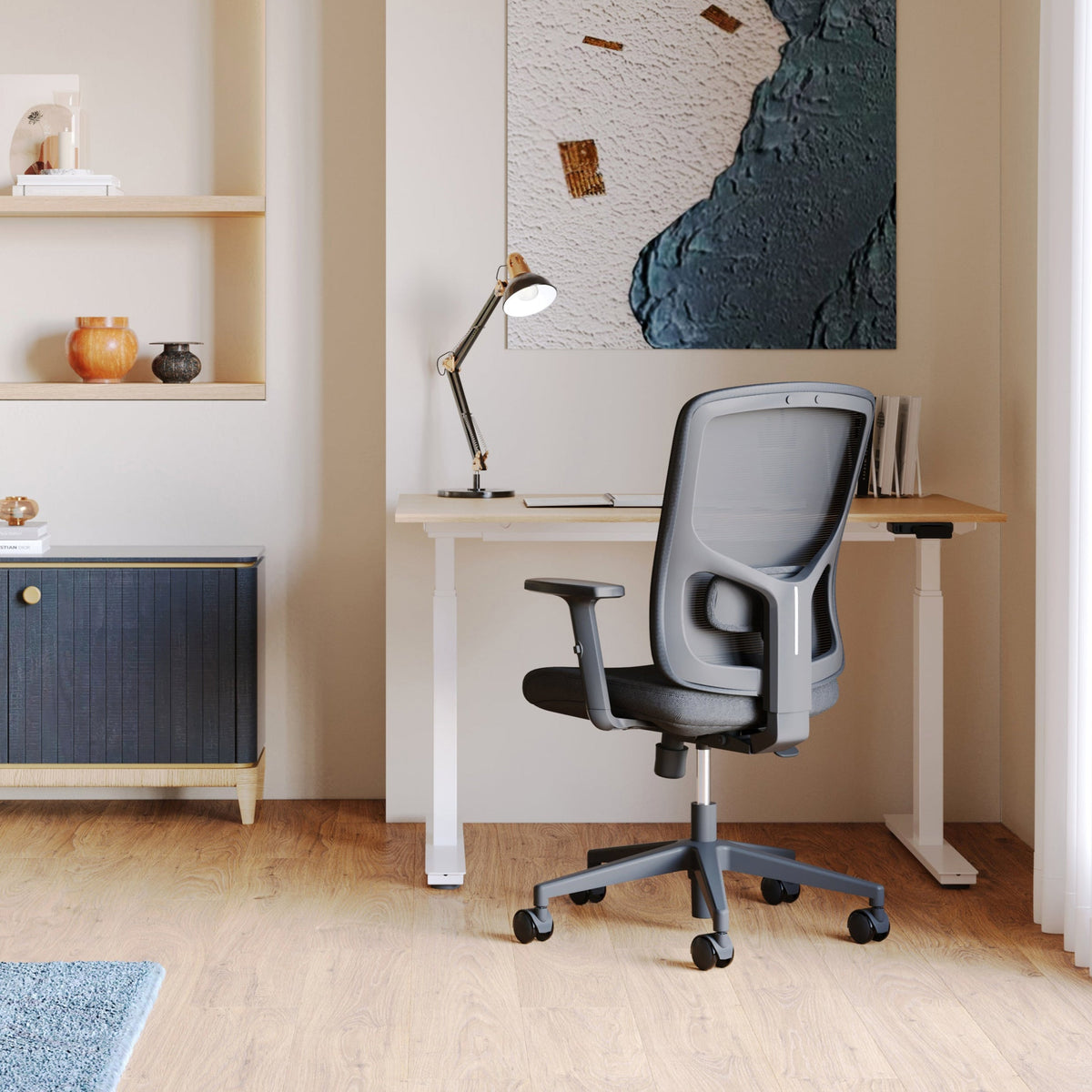
How Climate and Flooring Affect Chair Choice

Climate signals inside a home that change what a chair feels like day after day
Choosing a chair is often treated like a style decision, but comfort and durability are heavily influenced by the room’s climate. Not the weather report, the indoor version of it. Homes have microclimates shaped by ventilation, humidity, sunlight, and even proximity to the ocean. We think about these factors when we curate seating, because the same chair can feel different and age differently depending on where it lives.
Humidity patterns that affect upholstery, joints, and finishes
Humidity is not only a coastal issue. It can show up in apartments with limited airflow, homes that run humidifiers, kitchens that see frequent boiling and dishwashing, and bedrooms where windows stay shut for long stretches.
When humidity stays high, materials spend more time absorbing moisture than releasing it. That can influence a few practical outcomes:
-
Upholstery can dry slowly after cleaning, and fabrics that trap moisture may feel clammy in warm seasons.
-
Wood and wood-based components can swell subtly, which can stress joints over time or lead to minor creaks.
-
Adhesives and layered finishes can be more sensitive in consistently damp conditions, especially when paired with heat.
Microclimate check that takes under a minute
Stand in the room at two different times of day and note:
-
Does the air feel “still” even when the rest of the home feels fine?
-
Do windows fog easily?
-
Do towels, cleaning cloths, or mop heads take longer to dry nearby?
-
Is there a recurring “closed room” odor even after cleaning?
These clues do not mean a chair will fail. They mean you should prioritize breathable surfaces, easier-to-clean materials, and floor protection that does not rely on moisture-sensitive adhesives.
Dry heat and strong sunlight that shift both comfort and wear
Dry interiors can be extremely comfortable for many materials, but dry heat combined with intense sunlight has its own effects. Sunlight through windows can fade fabrics and finishes over time. Heat can also change the perceived feel of cushions. What feels supportive in a cooler room can feel softer in a warm room, and the reverse can happen in winter.
A simple sun-map for chair placement
Before committing to a chair for a specific spot, look at where direct sun hits during the brightest part of the day. Pay attention to:
-
The seat area and top of the backrest, since those surfaces receive the most exposure
-
The side facing the window, which often fades unevenly
-
The floor under the chair, because sun and heat can change how some floors grip the chair’s feet
If a chair must sit in direct sun, plan for rotation. Rotating seating positions occasionally keeps wear more even without promising any unrealistic outcome.
Coastal air and salt exposure that quietly targets hardware and bases
In coastal environments, salt can accelerate corrosion on metal components. The part that surprises most people is where it starts. Corrosion often begins underneath, at fasteners, brackets, and hidden points where moisture lingers. Even if a chair looks perfect from above, the underside can tell a different story if the environment is harsh.
A practical approach is to prioritize chairs with well-finished components and to adopt a light, repeatable cleaning habit. A gentle wipe-down for exposed surfaces helps. For chairs near open windows, inspect the underside occasionally during routine cleaning.
Start with shapes that suit your climate, then refine materials and floor interface
Style still matters, because a chair has to fit the room visually and functionally. When climate is a factor, we recommend choosing a silhouette category first, then narrowing by materials and floor protection. If you want to explore the range before getting technical, our Urbanica chair collection helps you compare styles while keeping your room’s conditions in mind.
Flooring physics that change how stable, quiet, and easy a chair feels
Flooring is not a neutral backdrop. It is a mechanical partner in how a chair behaves. Friction, hardness, and surface texture influence sliding, wobble, scratch risk, and noise. These effects are amplified by how often the chair moves, how heavy it is, and how the chair’s feet distribute weight.
Tile and polished concrete that magnify sliding and sound
Smooth hard floors are great for cleaning, but they can make chairs feel unexpectedly mobile. On tile or polished concrete, a chair may slide more easily than anticipated, especially if the chair is light or the legs are angled in a way that reduces grip.
Noise also behaves differently on hard surfaces. Sound reflects, so small movements like repositioning for comfort can become a repeated annoyance in open-plan rooms or apartments.
What to prioritize on smooth hard floors
-
Floor-friendly feet that reduce scratching and squeaks
-
A chair weight that feels stable, without assuming heavier is automatically safer for your floor
-
Movement control, meaning the chair should not feel like it “skates” when you stand up or sit down
Hardwood and engineered wood that reveal pressure points over time
Hardwood and engineered wood add warmth to a space, but they can show dents and scuffs where pressure concentrates. Chairs with narrow legs can create higher pressure at the contact point. Over time, those points can leave subtle impressions, especially where chairs are moved frequently.
Engineered wood can also have slight height variations at seams. A chair that feels stable on one plank can wobble slightly when shifted a few inches. This is not always the chair’s fault. It is the interaction between floor geometry and the chair’s leg contact pattern.
Vinyl, laminate, and SPC that shift grip with temperature and surface wear
Some resilient floors change traction depending on temperature. A chair that feels stable in one season can feel more slippery or more grippy in another. Another consideration is imprinting. Even when a chair foot does not leave a visible mark, it can still create a faint “shadow” over time if weight sits in the same place daily.
For these floors, a thoughtful chair foot choice matters. Non-marking does not always mean non-imprinting, so weight distribution and movement frequency become the deciding variables.
Carpet and rugs that add drag, change posture, and increase effort
Carpet and rugs introduce resistance. That resistance affects posture more than most people expect. When a chair is hard to adjust, people tend to twist their torso, lean forward, or scoot in a way that loads the lower back and shoulders differently.
Low-pile rugs usually behave better than plush rugs for micro-adjustments. Rug pads can also change how a chair sits. A thick pad can create sink points, which makes seat height feel inconsistent and can introduce wobble that disappears on a hard floor.
Rug realism for daily use
If a chair will move frequently on a rug, focus on movement strategy first. Either accept a stable chair that rarely moves, or create a smoother movement surface with a mat designed for that purpose.
The chair to floor interface that protects both comfort and surfaces
Two chairs that look similar can behave very differently because of their feet, glides, and base geometry. This is where you can solve many climate and flooring mismatches without forcing a compromise on style.
Feet, caps, and glides that reduce damage without turning movement into a chore
Most chairs rely on a small contact point at the end of each leg. Changing that interface can reduce scratches and noise, and it can help a chair feel more stable on floors with slight variation.
Common options include felt pads, rubber tips, and plastic caps. Each has tradeoffs:
-
Felt typically moves more easily and can reduce squeaks, but it can collect dust and grit that may act like sandpaper if not cleaned.
-
Rubber tends to grip better and can stabilize a chair on slick floors, but it may increase effort if the chair needs to move frequently.
-
Plastic caps can be durable, but the wrong plastic can squeak on hard floors or slide too easily.
When humidity influences your floor protection choice
In damp rooms, adhesive-backed pads can loosen sooner. When that happens, the pad shifts, and the exposed edge can catch grit. If your space runs humid, choose floor protection that stays secure, and check pads periodically during routine cleaning.
Casters and movement strategy for work zones
If a chair is meant to roll, the floor matters more than the chair’s rolling mechanism alone. Hard casters can be rough on delicate surfaces. Softer casters can be gentler, but they may roll differently depending on floor texture. The goal is not maximum speed. It is controlled movement that supports posture and prevents unnecessary strain.
Chair mats that solve drag and noise, used thoughtfully
Mats can be helpful for two main reasons:
-
They reduce drag on carpet so you can adjust position without repeated twisting and scooting.
-
They protect hard floors from repeated micro-scratches and help reduce noise in shared-wall homes.
Mats can also trap dust and moisture in humid climates if they are not cleaned periodically. For humid rooms, treat a mat like part of the floor, not an accessory. Clean under it as part of a normal routine.
Matching chair materials to climate realities without overpromising
Material conversations often get reduced to style or maintenance, but climate is a missing variable. A choice that feels perfect in one home can feel frustrating in another. The goal is not to chase a “best” material. The goal is to choose the right material behavior for your room.
Upholstery behavior in warm, humid, or high-traffic rooms
In humid rooms, breathability and drying time matter. In high-traffic rooms, wipeability and stain management matter. These priorities sometimes conflict, so the best approach is to decide which daily behavior you want.
Practical questions that guide upholstery decisions
-
Will this chair be used after cooking, showering, or workouts when the room holds more moisture?
-
Will it be used by kids or pets where quick cleanups matter?
-
Is the chair expected to feel cool and breathable, or warm and cozy?
A chair that feels soft and inviting can be a great fit if you can maintain it. A chair that is easy to wipe can be a better fit if you need low-friction upkeep.
Wood and wood-adjacent components in fluctuating indoor conditions
Wood can be a beautiful choice, but it is sensitive to humidity swings. In very humid rooms, swelling can add stress at joints. In very dry rooms, wood can shrink slightly, which can contribute to loosening over long periods.
This does not mean wood is a poor choice. It means placement matters. Avoid placing chairs tightly against exterior walls with condensation risk, or directly under vents with harsh airflow cycles.
Metal and mixed-material bases where corrosion is the hidden variable
For coastal homes or humid spaces, pay attention to the quality of metal finishing and the integrity of the hardware. Hardware is often overlooked because it is not a headline feature, but it plays a major role in long-term stability and noise control.
A sensible maintenance habit, like occasional inspection and gentle cleaning, is more realistic and useful than assuming any chair is immune to environment.
Climate and flooring compatibility matrix for smarter shortlisting
The table below is a practical way to shortlist chair types based on how they tend to behave. It is not a guarantee. It is a way to avoid common mismatches.
| Room condition | Flooring type | What tends to work well | What to watch for |
|---|---|---|---|
| Warm and humid | Tile or polished concrete | Breathable surfaces, stable feet that reduce sliding | Adhesive pads loosening, upholstery that dries slowly |
| Warm and humid | Hardwood or engineered wood | Floor-protective glides, easy-clean materials | Dent risk at pressure points, trapped grit under pads |
| Dry and sunny | Hardwood | Balanced weight distribution, controlled movement | Sun fading, finish checking near windows |
| Dry and sunny | Vinyl or laminate | Non-marking feet, regular pad checks | Seasonal traction changes, subtle imprinting |
| Coastal or salt exposure | Any hard surface | Well-finished components, routine wipe-down habits | Underside corrosion at fasteners, squeaks from hardware wear |
| Thick rugs or carpet | Any | Movement strategy first, mat if rolling is required | Drag that increases strain, sink points that create wobble |
Ergonomic chair choices when climate and flooring influence posture and fatigue
Ergonomics is usually discussed as adjustability and support. Climate and flooring influence ergonomics by changing how often you shift, how easily you move, and whether the chair feels stable. A chair that is supportive but too hot to sit in will not deliver comfort in practice. A chair that rolls too freely on slick floors can create constant micro-instability.
Thermal comfort as a real contributor to how long you sit well
When a room is warm or humid, people shift more often to cool down. That can be healthy, but it can also become distracting. A breathable setup can help you stay comfortable without relying on constant movement.
For a closer look at a work-focused option, the Ergonomic Novo Chair is a useful reference point when evaluating how an ergonomic chair might integrate into daily routines in a typical home office environment.
Floor drag and rolling resistance that change how your body compensates
Carpet drag can cause subtle forward lean. A person might pull themselves closer to a desk rather than rolling in smoothly. On slick hard floors, the opposite can happen. A chair can move with too little resistance, causing over-rotation or frequent repositioning.
A realistic ergonomic goal is controlled movement. The chair should be easy to adjust, but it should not feel like it moves when you do not intend it to.
If you are comparing work chair profiles, the Ergonomic Onyx Chair provides another product reference for thinking through how a chair might behave across different flooring types and room conditions.
Workspace support that respects real homes and real constraints
Many people are building workspaces inside multipurpose rooms, where climate and flooring are not negotiable. From our perspective, the safest path is to choose a chair that fits the room as it exists, then solve small friction points with floor protection and placement. If you are planning a workspace and want region-specific context for services and availability, our office furniture location page is the right place to start.
Dining and occasional seating where flooring and cleanup routines decide long-term satisfaction
Dining chairs live a different life than office chairs. They move frequently, face spills, and often sit on floors that show wear quickly. Comfort matters, but so do noise, cleanability, and how easily chairs slide in and out under the table.
Tile kitchens where scrape noise and quick wipe-downs matter most
In kitchens with tile, chairs move often and spills happen. The “best” chair is usually the one that stays stable, cleans easily, and does not announce every movement across the room.
For a dining and multi-use seating reference, the Seashell Chair is a helpful product page to consider when thinking about everyday wipe-down practicality and how chair surfaces behave in active rooms.
Floor-friendly movement without adding friction to daily life
A common trap is over-gripping the chair feet to stop sliding. That can make chairs harder to move and can create an awkward scraping motion. A balanced approach is to use floor protection that reduces noise and surface wear while keeping movement natural.
Upholstered dining in humid or busy homes where comfort meets drying time
Upholstered dining can feel inviting, but humidity and frequent cleaning change the equation. Fabrics that hold moisture longer can feel less comfortable in warm seasons. Cleaning routines can also leave the seat damp longer than expected if ventilation is limited.
When evaluating a softer seating profile in spaces that still need to function daily, the Muse Chair provides a grounded reference for thinking through how comfort, material behavior, and real maintenance habits intersect.
Table clearance, chair width, and floor friction as one system
A chair does not work alone. The table height, apron clearance, and leg layout influence how chairs move and how often they bump the table or catch on rugs.
If you are planning a compact dining setup, the Round Bistro Table is a useful anchor point for thinking about proportions, clearance, and how chair movement will interact with flooring in tighter layouts.
A chair selection method built from climate and flooring, designed to prevent mismatches
We approach chair guidance like a system: climate, flooring, movement needs, and maintenance reality. This keeps expectations honest and helps customers choose chairs that feel right in daily use, not just on day one.
A 10-point decision checklist that mirrors real shopping decisions
1. Identify the room’s humidity pattern, especially after showers, cooking, or rainy days.
2. Note direct sunlight exposure and where it hits the seat and backrest.
3. Consider coastal exposure if salt air or sticky residue shows up on surfaces.
4. Confirm the flooring type in the exact chair location, not just the overall room.
5. Decide how often the chair will move each day, occasionally or constantly.
6. Check if noise matters due to shared walls, sleeping kids, or open-plan layouts.
7. If there is a rug, measure pile height and note whether the chair legs sink when loaded.
8. Decide whether cleaning needs to be quick wipe-downs or periodic deeper cleaning.
9. Match movement strategy to floor type, stable feet for fixed seating or controlled rolling for work zones.
10. Plan simple upkeep, such as pad checks and gentle cleaning, rather than assuming any chair is maintenance-free.
Two fast in-home tests that make chair behavior predictable
Slide test for hard floors
Place a chair in its intended spot and simulate standing up and sitting down. If it shifts more than you like, prioritize a better foot interface rather than assuming the chair is wrong for the room.
Drag test for rugs and carpet
Move the chair in and out as you would during a meal or work session. If the motion feels like a workout, you will compensate with twisting and leaning. That is the moment to consider a movement surface adjustment, a different chair base behavior, or a layout change.
Seating plans that stay comfortable through seasons, flooring changes, and moving day
Homes change. Floors get refinished, rugs get replaced, and rooms get repurposed. A chair choice becomes more future-proof when you treat the floor interface and placement as adjustable variables.
Reversible adjustments that protect floors and keep comfort consistent
Small changes can help a chair adapt to a new floor without changing the chair itself:
-
Swapable floor protectors that suit your current surface
-
A mat in a work zone where rolling is essential, chosen for the floor type
-
Seating placement that respects sun paths and ventilation patterns
A mixed-chair approach that fits real households
Many households benefit from mixing chair behaviors. A stable dining chair on tile can coexist with an ergonomic work chair on a movement-friendly surface. Occasional chairs can prioritize style and easy repositioning, while desk chairs prioritize controlled movement and comfort.
From our brand perspective, the goal is consistent: chairs that look right, feel right, and behave predictably in the environment you actually live in. Climate and flooring are not background details. They are the conditions that decide whether a chair remains a good choice over time.
Related Articles
-
 What Makes a Chair Comfortable for Studying During Exam Weeks
-
 Study Chairs That Balance Comfort and Budget Without Regret
-
 Comfortable Chair to Study for Long Sessions: What Features Matter Most
-
 Office or gaming chair: what matters most for daily comfort
-
 Chairs for standing workstations: simple guide for home offices
-
 How to Choose a Study Chair for Long Hours


