



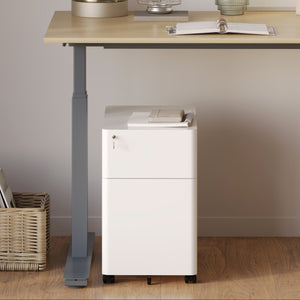






















Filing Cabinet Choices for Cleaner Workstation Planning
Cleaner workstation planning starts with filing storage that matches the desk, document volume, security needs, and daily workflow. Explore how cab...
Learn more
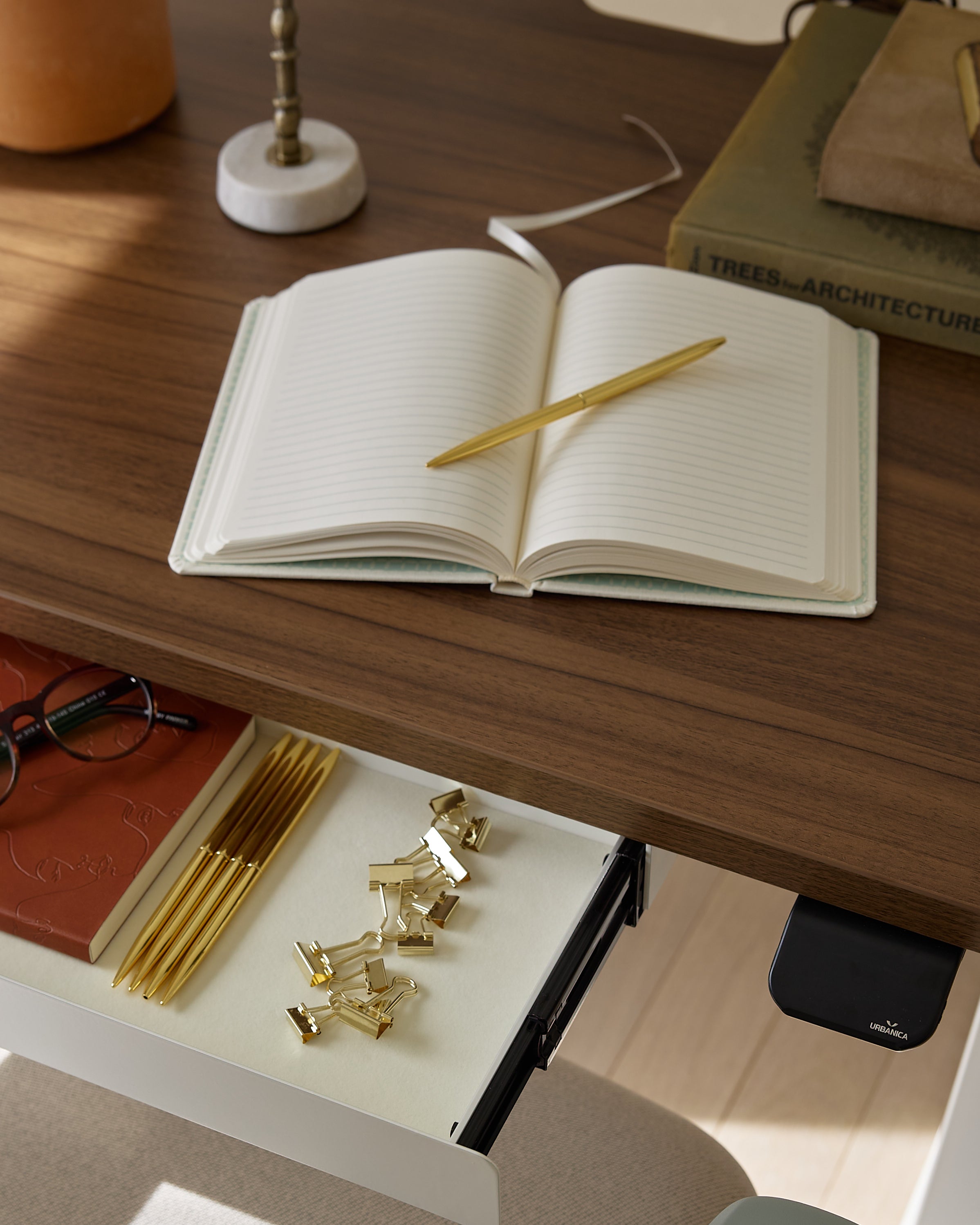
Visit quiz page to see how we makes it easy to create an inspiring workplace


Working from home has shifted from temporary solution to long-term reality for many people. Kitchen tables turned into desks. Dining chairs became office seating. Corners of bedrooms became full workstations. While the flexibility is appealing, the furniture choices behind these setups often create hidden problems.
Most work-from-home mistakes are not dramatic. They are subtle. A chair without lumbar support. A desk that is slightly too high. A monitor placed just below eye level. Over time, these small issues compound and affect posture, concentration, and overall well-being.
Understanding these common mistakes is the first step toward creating a workspace that supports productivity instead of draining it.
One of the biggest mistakes people make is assuming their home office setup is temporary. A dining chair may feel fine for a few days. A kitchen counter may seem convenient at first. But when those short-term solutions stretch into months or years, the body begins to suffer.
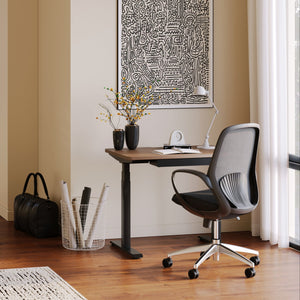
Investing in proper Office Furniture Los Angeles options transforms a makeshift workspace into a structured, supportive environment. A well-designed desk and ergonomic chair are not luxuries. They are foundational tools for daily performance.
Temporary setups often lead to:
Slouching
Shoulder tension
Wrist discomfort
Reduced focus
A permanent work-from-home lifestyle requires permanent ergonomic thinking.
A desk that is too high forces shoulders upward. A desk that is too low encourages leaning forward. Both positions strain muscles.
Signs your desk height is incorrect:
Wrists bend while typing
Elbows sit too far below the surface
Neck tilts downward frequently
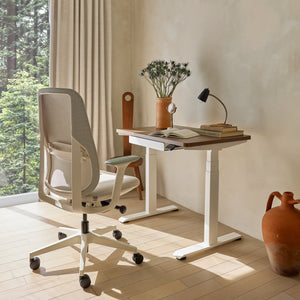
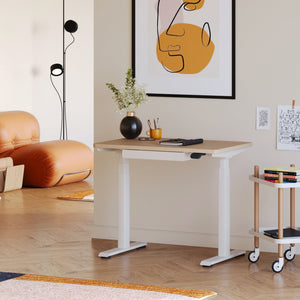
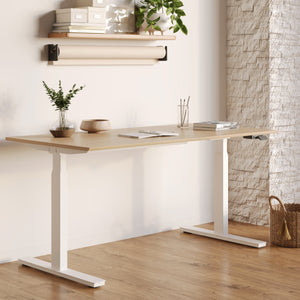
Sitting all day creates stiffness and reduced circulation. A flexible standing desk allows you to alternate between sitting and standing, reducing pressure on the spine.
Benefits include:
Improved blood flow
Better posture awareness
Increased energy levels
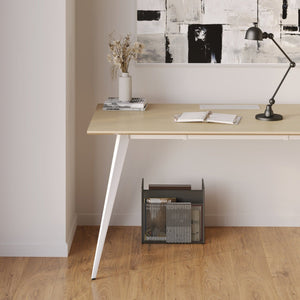
A desk should feel solid and spacious enough to support your equipment. A streamlined office desk with proper depth ensures monitors and keyboards are positioned correctly without forcing awkward adjustments.
Function must always come before aesthetics.
Many remote workers use dining chairs because they look stylish. However, they lack lumbar support and adjustability.
Over time, this causes:
Lower back strain
Rounded shoulders
Hip tightness
Proper back support maintains the natural curve of the spine. Without it, muscles overcompensate and fatigue quickly.
Research on the psychology of space shows that physical comfort directly impacts mental clarity. An uncomfortable chair distracts focus and reduces productivity.
An ergonomic chair should offer:
Adjustable seat height
Lumbar support
Tilt control
Breathable backrest
These features support long-term comfort during extended work sessions.
Another common mistake is leaving the monitor too low or too far away. This forces the head forward and strains the neck.
When screens sit below eye level:
The neck tilts downward
The upper back rounds
Headaches become more frequent
Even minor adjustments in screen height can significantly improve posture.
A well-positioned monitor reduces forward head posture and helps maintain spinal alignment.
When desks are cluttered, people lean, twist, and stretch to reach items.
This creates:
Shoulder imbalance
Wrist strain
Uneven posture
An adjustable monitor arm raises the screen to eye level and frees desk space.
Benefits include:
Neutral neck position
Cleaner layout
Better alignment
Organize frequently used items within a comfortable arm’s reach. Avoid extending arms repeatedly throughout the day.
Small organizational improvements protect posture.
Lighting affects both posture and productivity. Dim lighting encourages leaning forward. Glare causes squinting and awkward positioning.
Position lighting to:
Reduce shadows
Minimize glare
Support clear visibility
Proper lighting supports upright posture naturally.
|
Mistake |
Physical Impact |
Productivity Impact |
|
Using dining chair |
Lower back strain |
Reduced focus |
|
Desk too high |
Shoulder tension |
Typing fatigue |
|
Monitor too low |
Neck strain |
Headaches |
|
Cluttered desk |
Twisting posture |
Distraction |
|
No movement breaks |
Stiffness |
Decreased energy |
Identifying these issues helps create corrective solutions.
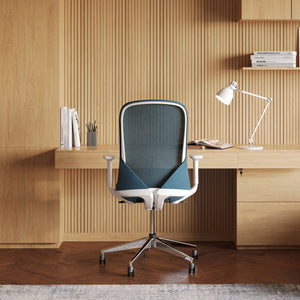
A supportive ergonomic office chair offers lumbar alignment, breathable materials, and adjustable settings that protect the spine.
Before starting your workday:
Set seat height so feet rest flat
Align lumbar support with lower back
Adjust armrests to support elbows
Even the best chair cannot replace movement. Alternate between sitting and standing throughout the day.
The right chair makes healthy habits easier.
Your home office should not feel like an afterthought. It should reflect intention and structure.
Think about:
Desk placement
Screen alignment
Chair adjustability
Clear pathways
The right combination of furniture and layout improves both comfort and efficiency.
A workspace designed thoughtfully helps you feel more in control of your workday.
Before another week of discomfort passes, review this checklist.
Replace temporary seating with ergonomic support
Adjust desk height properly
Elevate monitor to eye level
Clear desk clutter
Maintain neutral wrist position
Keep shoulders relaxed
Alternate between sitting and standing
Improve lighting conditions
Align chair and desk proportionally
Reassess posture regularly
Work-from-home mistakes often feel harmless at first. But over time, they shape posture, energy, and performance.
A well-designed home office protects both your productivity and your health. Small upgrades today prevent larger problems tomorrow.
Many people tolerate minor discomfort because it feels manageable. A stiff neck. A sore lower back. Slight wrist tension. But over months and years, these minor irritations often evolve into chronic pain patterns that require therapy, medical visits, or extended breaks from work. Poor furniture does not just affect posture. It affects sleep quality, mood, and overall energy levels. When your body works harder to compensate for bad alignment, mental focus declines. Investing in proper ergonomic solutions is not just about comfort. It is about protecting your long-term health and sustaining your ability to work efficiently without physical strain.
Before settling into another long workweek, take a final moment to evaluate your setup with intention.
Use this final checklist to create a healthier, more productive workspace:
Choose a dedicated workspace, not a shared dining area
Invest in supportive ergonomic seating
Set desk height to maintain neutral arm position
Raise monitors to eye level
Keep frequently used items within reach
Clear unnecessary clutter
Ensure lighting reduces glare and shadows
Alternate between sitting and standing
Maintain relaxed shoulders and straight wrists
Check posture periodically throughout the day
Working from home should feel empowering, not physically draining. The right furniture decisions support your spine, your focus, and your long-term well-being. Small adjustments today create measurable improvements tomorrow.
A smart workspace does more than hold your laptop. It supports your performance, protects your posture, and allows you to do your best work every day.


You have unlocked free shipping!
You're saving $29 and unlocked free shipping!
Leave a comment