



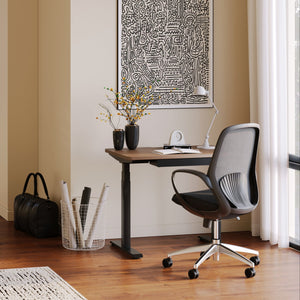
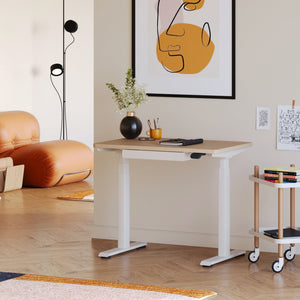
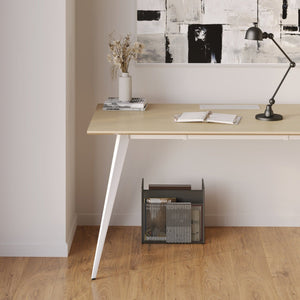
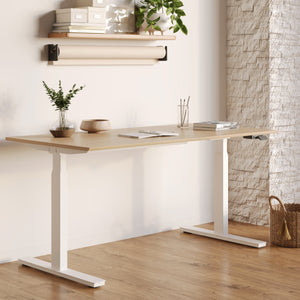
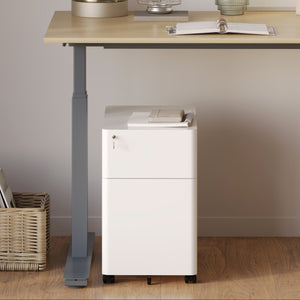






















Filing Cabinet Choices for Cleaner Workstation Planning
Cleaner workstation planning starts with filing storage that matches the desk, document volume, security needs, and daily workflow. Explore how cab...
Learn more
Visit quiz page to see how we makes it easy to create an inspiring workplace


Video calls have quietly become part of everyday work. Whether it is client meetings, interviews, team check-ins, or presentations, your home office is now a visible extension of your professional identity. What appears behind you on screen shapes how others perceive your focus, credibility, and attention to detail.
The good news is that looking polished on camera does not require a full renovation. Thoughtful furniture choices, smart layout decisions, and a few ergonomic upgrades can transform how your workspace appears on screen while still supporting comfort and productivity.
People form impressions in seconds, even through a webcam. Visual clutter, awkward angles, or poorly scaled furniture can distract viewers and subtly reduce your presence during calls. A clean, intentional setup helps keep attention on what you are saying instead of what is behind you.
Psychology research shows that interiors influence mood, focus, and behavior. Your background communicates how prepared and professional you are before you speak. This is why choosing furniture that looks good on camera matters just as much as choosing furniture that feels comfortable.
Your desk often defines the lower half of your video frame. If it looks bulky, cluttered, or poorly proportioned, it can throw off the entire composition.
A desk that aligns naturally with your seated or standing posture keeps your shoulders relaxed and your face centered in the frame.
Clean edges that do not visually overpower the frame
Neutral finishes that reflect light evenly
Enough surface area to stay organized without appearing crowded
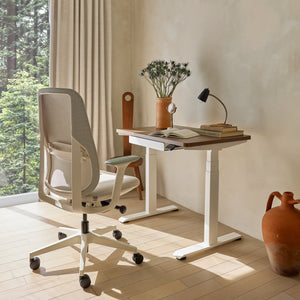
A thoughtfully designed standing desk supports better posture while also creating a modern, uncluttered look that translates well on video.
Sitting during video calls can look polished or unprofessional depending on your setup. The key is maintaining alignment without stiffness.
Your seated desk height should allow your arms to rest naturally while keeping your screen at eye level.
Encourages upright posture
Keeps hands visible when needed
Maintains clean sightlines on screen
A well-proportioned office desk helps anchor your workspace visually while supporting long calls and focused work.
Your environment shapes how you feel and how others respond to you. Research on how interiors affect behavior shows that order, balance, and lighting all influence confidence and engagement.
This research on interior psychology and behavior highlights how space impacts attention and emotional response. When your workspace feels intentional, it shows through your voice, posture, and presence on screen.
Accessories often determine whether a workspace looks intentional or improvised.
Unsupported arms lead to raised shoulders and tension, which are noticeable during long calls.
Reduces shoulder strain
Keeps hands relaxed and steady
Encourages open posture
An ergonomic arm support improves comfort while subtly refining how you appear on camera during extended meetings.
Your chair directly affects posture, energy, and how engaged you appear. A chair that encourages alignment helps you stay present without constant shifting.
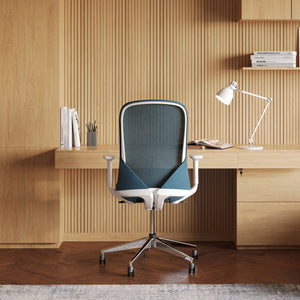
An ergonomic office chair designed for long sessions keeps your posture upright while remaining visually streamlined. When your seating supports you properly, your body language becomes calmer and more confident on video.
|
Feature |
Why It Matters on Camera |
|
Desk height |
Keeps face centered in frame |
|
Neutral finishes |
Avoids visual distractions |
|
Supportive seating |
Improves posture and presence |
|
Clean lines |
Enhances professional appearance |
|
Ergonomic accessories |
Reduces visible tension |
Furniture placement affects how light hits your face and background.
Position your desk perpendicular to windows to reduce glare and shadows.
Avoid placing large furniture directly behind your head
Keep background elements minimal
Leave breathing space around key pieces
A balanced layout helps your furniture complement the frame instead of competing for attention.
Hybrid work demands flexibility. Your workspace must support video calls, deep focus, and casual collaboration without constant rearranging.
High-quality Office Furniture Los Angeles options are designed with adaptability in mind, helping home offices transition smoothly between work modes while maintaining a polished appearance on screen.
A great video call setup feels natural, not staged. The best furniture supports comfort, posture, and confidence while quietly enhancing how you appear to others.
Use this checklist to refine your space:
Does your desk frame you cleanly on camera
Is your chair supporting upright posture without stiffness
Are accessories reducing visible tension
Does the background look intentional, not cluttered
Can your setup adapt throughout the day
When furniture works with your body and your workflow, professionalism shows without effort.


You have unlocked free shipping!
You're saving $29 and unlocked free shipping!
Leave a comment