



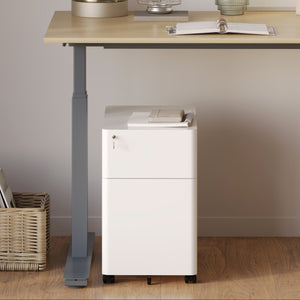
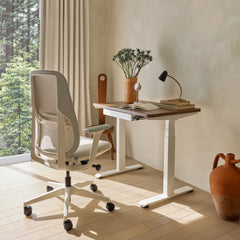

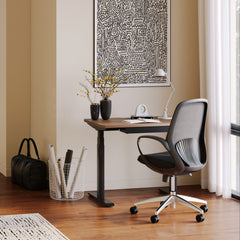
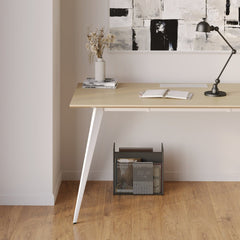
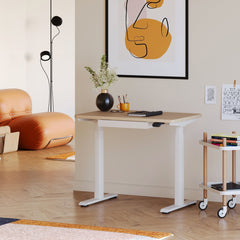

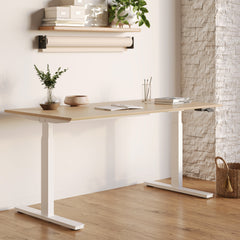



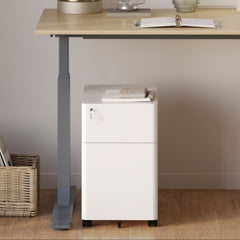


Filing Cabinet Choices for Cleaner Workstation Planning
Cleaner workstation planning starts with filing storage that matches the desk, document volume, security needs, and daily workflow. Explore how cab...
Learn more
Visit quiz page to see how we makes it easy to create an inspiring workplace


Modern workspaces depend on surfaces that do more than hold equipment. As environments become smaller, more flexible, and more technology driven, tables must support focused workflows while preserving clean aesthetics. Hidden functional features help achieve this balance. They allow users to benefit from integrated storage, adaptable ergonomics, and discreet technology without disrupting the visual clarity of a space. Urbanica approaches table design with the belief that every surface should quietly elevate the user’s experience while remaining timeless, minimal, and dependable.
Invisible functionality supports the growing preference for streamlined rooms. People want visually calm environments, particularly in hybrid or home-based offices. Concealed systems allow tables to stay visually simple while delivering capabilities that support ergonomic movement, cable organization, and multi-device setups.
Tables with hidden enhancements serve evolving needs. They support multiple devices, manage clutter, and provide ergonomic adaptability without requiring additional accessories. The value of these features is not in their novelty but in how effectively they contribute to comfort, spatial organization, and long-term dependability.
Cable management is one of the most underappreciated components of functional tables. Without it, visual clutter increases and device cords quickly create hazards. Hidden cable systems allow surfaces to remain clear while keeping power access close.
Integrated channels help store unused cable length and route wires from monitors, chargers, and lighting. These channels often run quietly beneath the table, keeping cords secured and out of sight. This supports consistent organization and decreases the strain placed on device ports. Many users discover that once cables are out of the way, their overall workflow feels calmer and more intentional. This type of clean setup aligns with workspace solutions found in the modern desk catalog.
Multi-device stations often include laptops, monitors, hubs, speakers, and personal accessories. Thoughtful cable lanes ensure that users can expand their equipment without inviting clutter. They also support airflow for chargers and adapters by preventing tangling and compression.
Pop-up or drop-in power modules stay concealed until needed. When closed, they blend into the table surface, and when opened, they provide immediate access to ports that support modern devices. This keeps power within reach while maintaining a clean and unobtrusive appearance.
Users who frequently move their equipment, reposition monitors, or adjust table height benefit from flexible cable guides. These soft routing systems prevent pinching and keep cords from catching when height-adjustable tables are raised or lowered. They also help maintain reliability over time since cables experience less stress.
Storage integration allows tables to remain free of clutter without requiring separate drawers or cabinets. Hidden storage protects the visual integrity of a workspace while supporting essential organization.
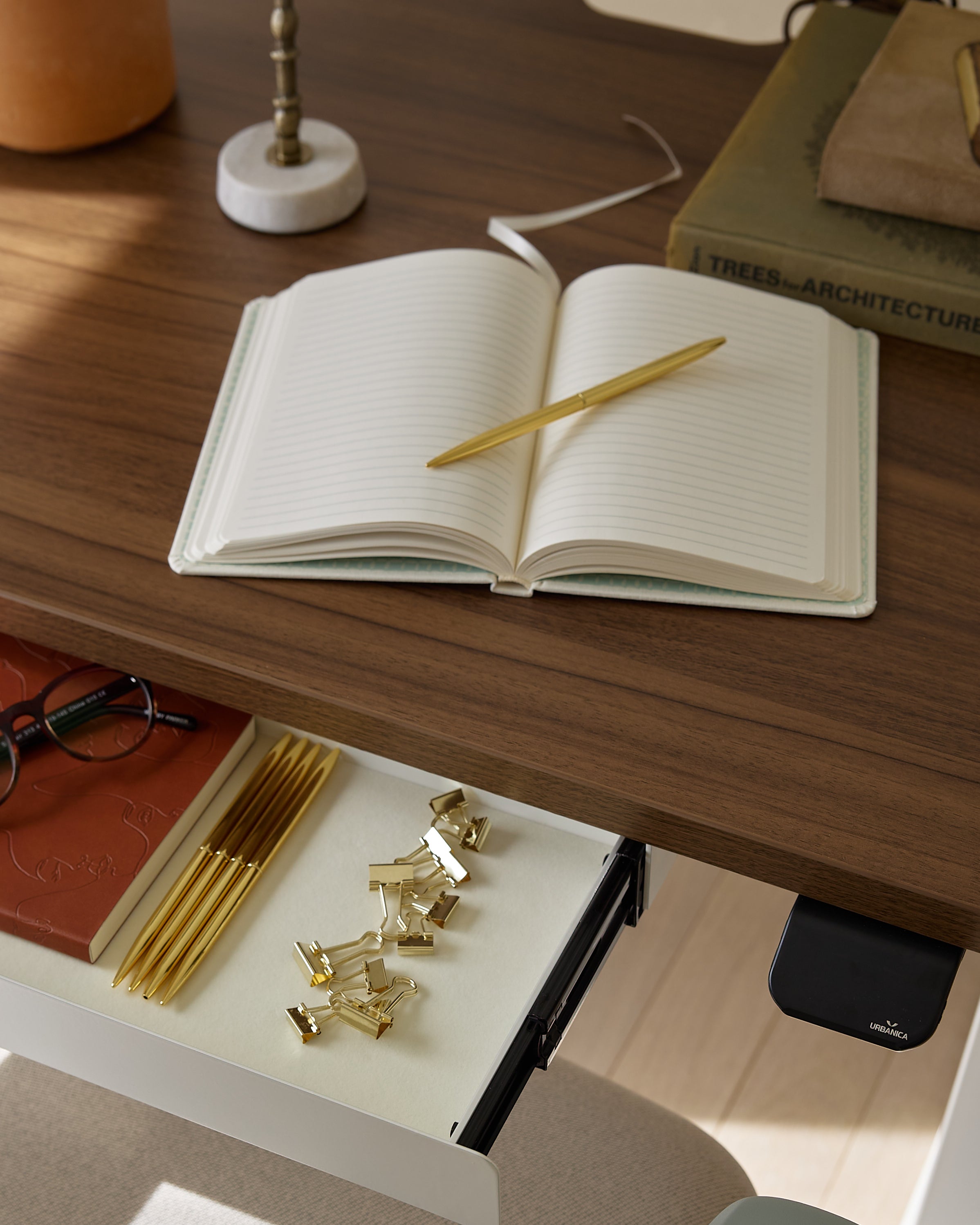
Thin-profile drawers remain nearly invisible unless opened. They provide enough depth for notebooks, stationery, or device accessories without creating bulk underneath the surface. Because they sit within the table frame, users maintain full legroom and freedom of movement.
Workspaces often include routers, external drives, and other compact devices that do not need to sit on the primary surface. Hidden shelves keep these tools accessible without interrupting the table’s form. This arrangement supports a fluid workflow and prevents small accessories from contributing to visual disorder.
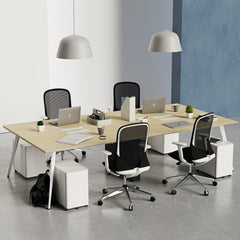
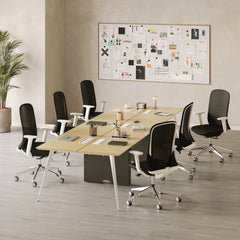
Collaborative tables benefit from internal partitions that allow users to store shared items discreetly. These storage zones help keep workstations clean even when multiple people share the same surface. This approach can be seen in multi-person configurations such as the four-person workstation configuration and the group-sized collaborative desk layout. Compartments inside these table structures remain unobtrusive yet helpful for storing shared supplies.
Ergonomics rely on movement. Tables that shift between sitting and standing positions support posture changes and long-term comfort. When adjustment systems remain hidden, surfaces maintain a clean appearance while offering practical versatility.
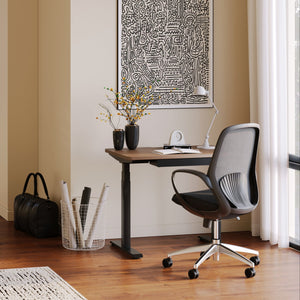
Many adjustable tables house their lift systems inside the frame where they remain invisible during everyday use. This creates a quiet, streamlined look and keeps mechanical parts protected. Concealed lift columns help users transition between seated and standing positions in a way that feels natural.
Changes in posture help reduce stiffness, maintain circulation, and distribute movement throughout the day. Adjustable tables support this practice by encouraging variety rather than static positioning. These principles align with recognized body mechanics guidelines, such as those described in ergonomic best practices for adjustable work positions.
Powered height adjustment systems deliver smoother movement while staying hidden within the table structure. They operate quietly and reliably without drawing attention to the mechanics. The result is a clean surface that responds intuitively to the user.
Manual lift tables use counterbalance systems or tension mechanisms to support motion. These components remain fully enclosed so the table looks minimal from every angle. Users experience the benefit of adjustability without the visual complexity.
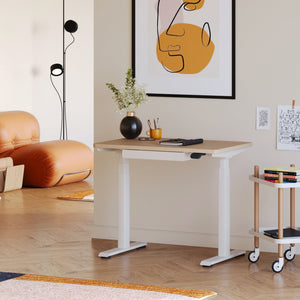
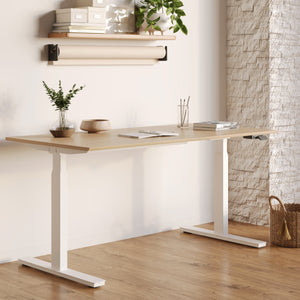
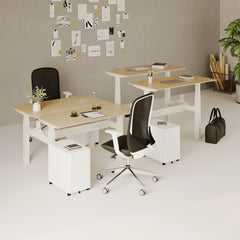
Height-adjustment systems appear in full-size workstations and compact or shared models. Urbanica designs offer varied implementations, such as the height-flex office workstation, the space-saving adjustable mini desk, and the dual-user standing collaboration desk. Each table incorporates hidden mechanisms that maintain a consistent aesthetic while enabling a healthier work rhythm.
Hidden expansions are essential for rooms that serve multiple purposes. These features give users the flexibility to scale their surface area as needed without relying on visually bulky add-ons.
Extension leaves stored inside the table allow users to expand their workspace when required and retract it when space needs to be conserved. These leaves remain concealed until engaged and integrate smoothly with the main surface.
Rotational or pop-out panels provide specific-use surfaces for writing, tablet use, or sketching. They stay hidden within the table body until needed, preserving a streamlined look. These features help maintain an uncluttered main work area while supporting specialized tasks.
Tables with articulating segments help users switch between reading, referencing documents, or completing hands-on tasks. When these mechanisms remain concealed, the table maintains its elegance and clean presence.
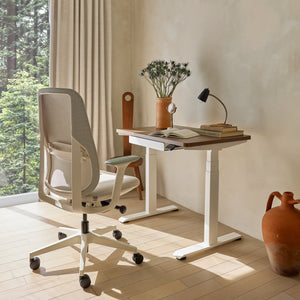
Single-user desks often incorporate hidden expansions to support shifting tasks without increasing footprint. This type of functionality aligns with workstations like the streamlined office workstation, where the priority is maintaining a sleek profile without sacrificing usability.
Tables increasingly support technology without allowing it to dominate the design. Concealed integration helps maintain visual simplicity while delivering functional convenience.
Wireless charging pads sit beneath the table’s top layer, enabling cable-free charging without visible equipment. This keeps the surface clear and reduces the need for extra accessories.
Some workspaces house power adapters, small hubs, or devices that generate heat. Hidden ventilation pathways help maintain airflow without altering the table’s silhouette. These systems rely on discreet design choices such as recessed openings or internal mesh panels.
Docking stations that remain hidden in trays or compartments offer easy access for device connection while preserving appearance. Simple sensors like presence-triggered lighting or small control points can be subtly integrated, ensuring that functionality stays intuitive rather than visually intrusive.
Hidden features must be supported by strong internal structure. Reinforcements ensure tables stay stable even when housing moving parts or storage systems.
Slim frames can still maintain strength when built with thoughtful engineering. Hidden bracing or shaped supports allow tables to handle daily use without appearing heavy or bulky. This balance is fundamental to Urbanica’s philosophy of functional minimalism.
Silent workspaces benefit from materials that soften sound. Some tables include internal layers that reduce keyboard noise or vibrations from equipment. These components remain unseen but improve the user’s sensory experience.
Group workstations often support multiple monitors, devices, and personal accessories. Internal reinforcement structures help distribute weight evenly so the table remains steady. These internal systems stay completely hidden, preserving a cohesive aesthetic.
Shared surfaces rely on features that help people transition between individual focus and group collaboration without changing furniture.
Slide-out dividers or pull-up screens allow users to create temporary privacy when needed. These dividers store neatly inside the table, keeping the surface clean when not in use.
Teams often need charging access without visible cords. Hidden power rings sit below the surface and become available when activated. They help prevent cord clutter and improve the usability of shared tables.
Shared workstations may require routers, splitters, or hubs. Concealed compartments provide storage for these items, helping teams maintain consistent organization without visible hardware.
Hidden features will continue to expand as work patterns evolve. Instead of bold or experimental technology, the most valuable innovations will focus on practicality, subtle integration, and long-term resilience.
Future table enhancements will likely focus on elements that adapt to different tasks without needing complex technology. Modular components that can be swapped or repositioned may become more common as users seek long-lasting flexibility.
Eco-conscious design influences the materials used inside tables just as much as those on the surface. Lightweight internal supports made from recycled or renewable materials contribute to responsibly built furniture that still delivers durability.
Hybrid work requires furniture that can evolve without replacement. Hidden expansions, discreet storage, and embedded ergonomic systems allow tables to meet changing needs while preserving a clean and enduring aesthetic.


You have unlocked free shipping!
You're saving $29 and unlocked free shipping!
Leave a comment