



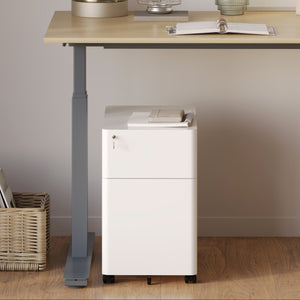



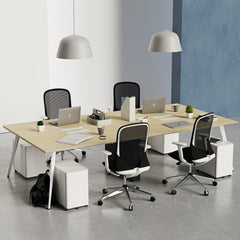


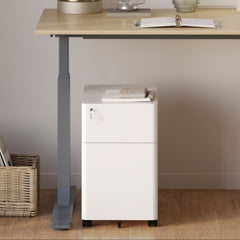


Filing Cabinet Choices for Cleaner Workstation Planning
Cleaner workstation planning starts with filing storage that matches the desk, document volume, security needs, and daily workflow. Explore how cab...
Learn more
Visit quiz page to see how we makes it easy to create an inspiring workplace


Healthy desk chairs influence the way people think, work, and maintain comfort throughout the day. For many professionals, sitting is a core part of daily life, so the quality of the chair plays a direct role in physical well-being and mental clarity. When the body remains aligned, energy levels stay steadier and concentration becomes easier to sustain. Misalignment, on the other hand, gradually wears down stamina and introduces unnecessary strain.
The human spine is designed to maintain a natural S-curve that balances weight and reduces pressure on joints. Healthy desk chairs preserve this natural shape by supporting the lower back, guiding the torso upright, and preventing collapse into rounded postures. Sustaining neutral alignment also encourages better breathing and stabilized neck positioning, both of which influence clarity and concentration. When the body is not fighting discomfort or strain, cognitive performance becomes more consistent.
Chairs within our ergonomic chair options collection reflect these principles by emphasizing supportive structures, appropriate shaping, and materials that adapt to the user rather than forcing the user to adapt to the chair.
Movement is central to healthy sitting. Even small shifts of weight help circulation, minimize stiffness, and break the patterns that cause fatigue. Chairs that encourage micro movements promote subtle engagement of core muscles. This prevents the static loading that often leads to tight hips, compressed lower-back tissues, or strained shoulders. A chair that accommodates these gentle adjustments supports a natural rhythm of activity while still providing structure.
Comfort is not a luxury but a necessary condition for sustained productivity. A supportive chair reduces the interruptions caused by discomfort. Instead of refocusing repeatedly after repositioning, individuals retain consistent momentum. Over time, this shapes a work pattern where focus deepens and endurance increases organically. Healthy desk chairs create these conditions by reducing strain, absorbing pressure, and guiding healthy posture throughout different stages of the workday.
An ergonomic chair is defined by adjustability, supportive shaping, and thoughtful engineering that responds to the body’s natural movements. Each feature contributes differently to posture stability and overall comfort. When combined in a balanced way, they create a seating experience that helps users remain productive for longer periods without accumulating tension.
A chair that fits the individual helps maintain correct posture without effort. Optimal seat height allows the feet to rest evenly on the ground. Proper seat depth supports the thighs without pressing into the back of the knees. Each adjustment influences hip angle, lumbar curve, and contact distribution. When users can tailor these settings, the chair supports them rather than working against them.
The contour of the seat pan shapes how weight is distributed. A gentle downward slope at the edge helps prevent pressure buildup beneath the thighs. This reduces discomfort and encourages upright posture. A well-designed seat pan also encourages balanced pelvic positioning, which supports the natural curve of the spine.
Lumbar support is one of the most defining features of a healthy desk chair. Fixed and adaptive lumbar systems address different needs. Fixed lumbar supports create consistent back pressure, while adaptive lumbar systems respond to natural movement and variations in posture. Both approaches help maintain the curvature that stabilizes the lower back and minimizes fatigue.
Shoulders and wrists often bear stress from typing, writing, or frequent computer use. Proper armrest positioning reduces this strain by supporting the arms at a natural height and angle. Armrests that adjust in multiple directions allow individuals to find a comfortable configuration that supports the arms during different types of tasks.
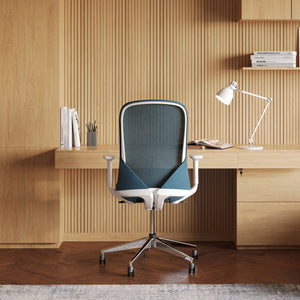
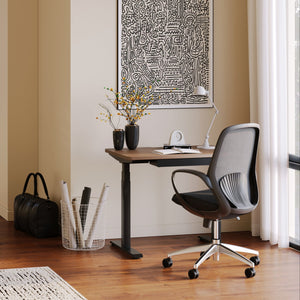
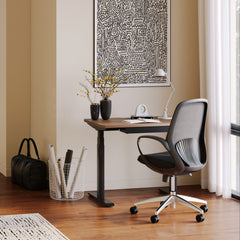
A great example is Novo’s adjustable ergonomic design, which offers thoughtful adjustment options that help users maintain healthy positioning through various work activities.
A healthy desk chair is only one part of a functional and supportive workspace. The furniture around the chair influences posture just as much as the chair itself. When a desk is too high, the shoulders lift. When a monitor is too low, the neck collapses forward. True ergonomic support comes from the relationship between all components of the workspace.
A desk that aligns correctly with the chair helps the elbows maintain a relaxed bend. This reduces wrist extension and shoulder strain. A surface that is too low or too high forces the body to compensate in ways that lead to fatigue. Pairing a supportive chair with the right desk creates a natural working posture that requires less energy to maintain.
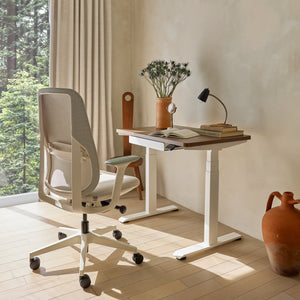
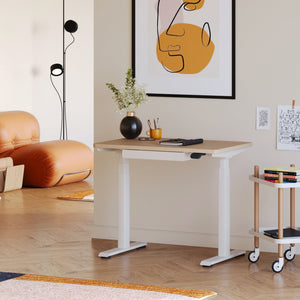
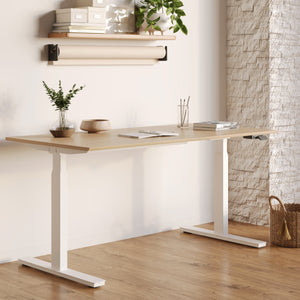
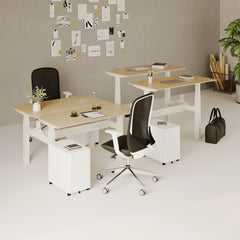
Adjustable standing desks expand the range of healthy working positions by allowing users to switch between sitting and standing. These shifts distribute pressure differently across the body, reducing the stress that accumulates from remaining in a single posture too long. The adjustable standing workstation supports these transitions and offers users a flexible way to maintain comfort throughout the day.
Positioning is essential. Placing the monitor at an appropriate height and distance helps reduce neck strain. Organizing the workspace so that frequently used tools remain within easy reach helps avoid excessive twisting or leaning. These adjustments complement the chair’s supportive features and increase overall comfort.
Different individuals have different preferences, body structures, and work demands. A healthy workspace acknowledges this by providing chairs that serve specific needs. Some chairs offer structured support for upright focus, while others allow more flexibility for creative or dynamic work styles.
Professionals who require consistent focus or precision often benefit from structured seating. These chairs help users maintain upright alignment without feeling constrained.
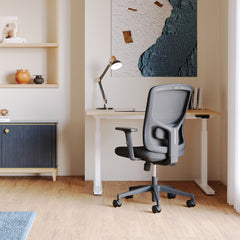
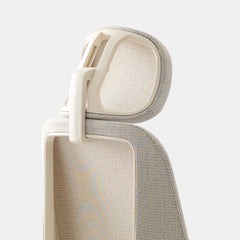
The Onyx chair features a supportive design that encourages a natural seated posture. Its frame and shaping offer stability for users who spend long periods concentrating on structured tasks. Those who prefer a more guided posture experience often find this style especially effective.
Onyx upright support design offers this type of posture oriented structure.
Creative tasks often involve frequent shifts in position, movement, or brainstorming. Chairs that support a broader range of postures can help users maintain comfort while staying engaged.
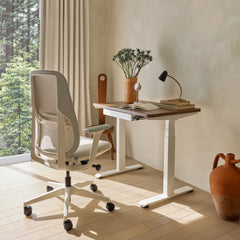
The Seashell chair’s sculpted form supports natural movement. Its curved seat and back encourage relaxed positioning without compromising support. Users who enjoy open, flexible seating styles often gravitate toward this design.
Seashell sculpted chair form reflects this balance of structure and freedom.
Some individuals seek softer support and gentle cushioning for long concentration sessions. A comfort centered chair helps distribute weight evenly, reducing pressure points during extended seated periods.
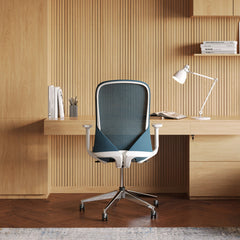
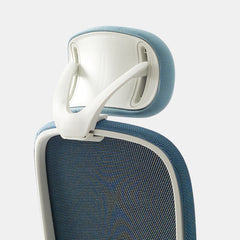
The Muse chair provides cushioning that supports long stretches of focused work. Its shaping encourages a relaxed posture without causing collapse into unsupported positions. Users who value plush comfort with ergonomic intention often find this chair appealing.
The Muse cushioned seating option exemplifies this approach.
The workspace surrounding a chair determines how well ergonomic features perform. Even the best chair can be undermined by a desk that restricts movement or a layout that creates awkward reach patterns.
Clearance beneath the desk influences hip and leg positioning. Users should be able to sit without compressing their thighs or limiting foot placement. Desks with sufficient depth and openness help maintain natural posture while allowing the chair to do its job.
A workspace should support efficiency. Frequently used tools should be easy to access. Organizing surfaces into functional zones reduces unnecessary reaching and rotation. This complements the healthy posture established by the chair.
Our functional desk selections help users design environments that support posture and workflow.
Short resets help maintain comfort throughout the day. Gently shifting weight, relaxing the shoulders, or stretching the legs can refresh circulation. These micro practices work with the supportive features of a healthy chair to create a consistent cycle of comfort.
Guidance from established safety organizations helps shape responsible furniture design. These principles emphasize alignment, load reduction, and injury prevention.
Many ergonomic recommendations center on neutral posture, stable joint angles, and the reduction of repetitive strain. Healthy desk chairs integrate these ideas through supportive shaping, adjustability, and materials that work with natural body mechanics.
Federal guidelines encourage individuals to consider monitor height, desk layout, and seating support when setting up a workspace. These recommendations reinforce the importance of a chair’s role in maintaining alignment.
The resource OSHA’s principles for ergonomic safety offers insight into these considerations and helps individuals understand foundational safety expectations.
Healthy seating reduces the cumulative stress that builds over time. By supporting posture and minimizing repetitive load, ergonomic chairs help individuals maintain greater comfort throughout the workday. This supports long term well-being and encourages healthier work habits.
The evolution of modern work environments places greater emphasis on personal well-being. As hybrid work becomes more common, the need for supportive seating grows. A healthy desk chair becomes a tool for maintaining comfort, organization, and focus whether at home or in a shared space.
Home offices require adaptable furniture that supports various tasks without compromising comfort. Healthy desk chairs encourage sustainable habits that align with long term productivity, making them essential for modern work routines.
Furniture design continues to evolve with a focus on adaptability, movement, and user comfort. Chairs that respond naturally to posture changes or encourage micro movements create workspaces that feel more supportive and intuitive.
Healthy environments support better performance and satisfaction. As organizations place greater emphasis on well-being, furniture plays a more central role in shaping the work experience. Supportive chairs, integrated desk systems, and thoughtful workspace design contribute to healthier work patterns for the long term.


You have unlocked free shipping!
You're saving $29 and unlocked free shipping!
Leave a comment