



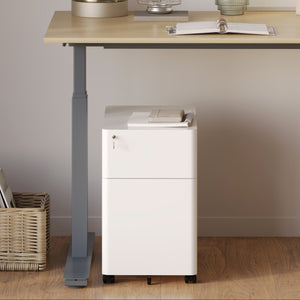





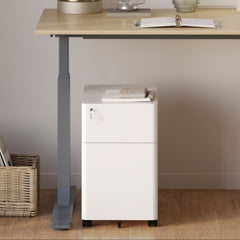


Filing Cabinet Choices for Cleaner Workstation Planning
Cleaner workstation planning starts with filing storage that matches the desk, document volume, security needs, and daily workflow. Explore how cab...
Learn more
Visit quiz page to see how we makes it easy to create an inspiring workplace


Furniture is more than a functional necessity. It supports your posture, shapes your workflow, and quietly absorbs the wear and tear of daily life. Whether you work from home or in a shared office, the right maintenance habits can help your pieces look and perform like new for years. From proper cleaning routines to smarter setup decisions, making your furniture last longer is not complicated. It simply requires consistency, attention to materials, and a clear understanding of how daily habits impact longevity.
The lifespan of furniture often begins with its construction. Solid frames, high-grade hardware, and engineered surfaces designed to resist scratches or moisture give you a head start. When choosing a workspace upgrade such as a Mini Standing Desk Los Angeles, durability should be part of the conversation. Compact designs are especially valuable in urban homes, but they must also withstand constant height adjustments, laptop weight, and everyday use.
A well-built desk or chair distributes pressure evenly, preventing early warping or structural fatigue. Look for reinforced joints, stable bases, and surfaces that resist chipping. Investing in quality once often eliminates the need for replacement later. Over time, that translates into savings and a more sustainable home office.
Even the strongest materials need protection. Scratches, spills, and heat exposure can gradually weaken finishes and structural integrity.
Your office desk often becomes the center of activity. Coffee cups, keyboards, paperwork, and decorative items all compete for space. Without simple protective habits, the surface can deteriorate faster than expected.
Small changes in routine make a significant difference:
Use desk mats to prevent scratches from keyboards and writing instruments.
Place coasters under drinks to avoid water rings.
Avoid placing hot items directly on the surface.
Clean spills immediately before moisture seeps into seams.
Aggressive cleaners can strip protective coatings. Instead:
Use a soft microfiber cloth.
Choose mild, non-abrasive cleaning solutions.
Dry the surface after wiping to prevent residue buildup.
Avoid excessive water, especially around joints.
Consistency in these small habits preserves both the appearance and structural stability of your desk.
Height-adjustable pieces add flexibility to your workspace, but they also introduce moving parts that require care.
A high-quality standing desk is engineered for smooth transitions between sitting and standing. To keep it functioning reliably for years, pay attention to its mechanical components.
Set a reminder every few months to:
Check bolts and screws for tightness.
Listen for unusual sounds during height adjustments.
Inspect cables for tangling or stress.
Ensure the desk remains level when extended.
If your desk includes an electric lift system:
Avoid exceeding recommended weight limits.
Distribute equipment evenly across the surface.
Do not force manual adjustments if resistance is felt.
Keep the lifting columns free from dust buildup.
These steps reduce unnecessary strain and extend the functional life of adjustable mechanisms.
Furniture does not exist in isolation. Temperature, humidity, and light exposure all influence its condition. Excessive humidity can cause wood expansion, while extremely dry air may lead to cracking. Direct sunlight gradually fades finishes and weakens certain materials.
Research on interior psychology, such as this ergonomic study, highlights how workspace design influences behavior and comfort. A well-planned environment supports both productivity and furniture longevity. Position desks away from windows with harsh afternoon sun. Use blinds or curtains to reduce UV exposure. Maintain moderate indoor humidity levels to protect surfaces and structural integrity.
When you consider furniture placement as part of a larger environmental system, you reduce the risks that shorten its lifespan.
Furniture often carries more weight than we realize. Monitors, laptops, printers, and accessories can gradually stress surfaces and joints.
Adding the right accessories distributes weight more effectively.
An adjustable ergonomic arm lifts monitors off the desk surface. This not only improves viewing angles but also reduces concentrated pressure points that can cause surface dents or long-term sagging.
Benefits include:
Even weight distribution.
Improved airflow around electronics.
Less direct stress on the desk surface.
Easier cable management.
To prevent overloading your workspace:
Keep only essential items on your desk.
Store heavy equipment on separate stands if possible.
Rotate decorative items to avoid permanent indentations.
Evaluate weight limits before adding new equipment.
Supporting your furniture properly prevents gradual structural fatigue.
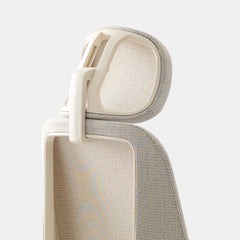
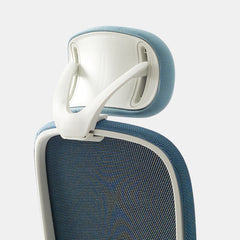
Seating takes continuous daily pressure. Low-quality padding compresses quickly, leading to discomfort and shortened product life. Choosing a well-designed ergonomic chair means selecting supportive cushioning, adjustable components, and breathable materials built to endure long work sessions.
Regularly adjust your chair to match your posture rather than forcing your body into a fixed position. Clean fabric or mesh surfaces gently and inspect moving parts like tilt mechanisms and casters. Avoid using the chair as a ladder or leaning excessively on armrests, as these habits strain joints over time.
When properly maintained, a high-quality office chair can remain comfortable and structurally sound for many years.
|
Furniture Type |
Primary Risk Factor |
Maintenance Action |
Recommended Frequency |
|
Office Desk |
Scratches and spills |
Use desk mat and coasters |
Daily |
|
Standing Desk |
Motor strain and imbalance |
Inspect bolts and weight distribution |
Every 3 months |
|
Ergonomic Chair |
Cushion compression |
Adjust posture and clean surfaces |
Monthly |
|
Monitor Support Arm |
Joint loosening |
Tighten screws and test movement |
Every 6 months |
|
Compact Desk Units |
Overloading |
Monitor weight limits and placement |
Ongoing |
This overview helps you create a simple maintenance rhythm that keeps everything functioning at its best.
Longevity is not about occasional deep cleaning. It is about consistent preventive care.
Creating a simple schedule makes maintenance effortless.
Wipe down surfaces with a soft cloth.
Check for loose screws or wobbling.
Remove clutter to prevent surface strain.
Inspect cables for wear.
Tighten hardware on adjustable components.
Clean chair casters to remove debris.
Evaluate weight distribution on desks.
Review placement to avoid prolonged sun exposure.
Building these habits into your calendar ensures problems are addressed early rather than after visible damage occurs.
Some of the most damaging habits are surprisingly common. Dragging desks instead of lifting them stresses joints and legs. Using harsh chemical cleaners strips protective finishes. Overloading drawers can misalign tracks and reduce smooth operation.
Another frequent issue is ignoring minor instability. A small wobble may seem harmless, but over time it places uneven stress on joints and fasteners. Addressing these small issues early prevents larger structural failures later.
Finally, resist the temptation to treat furniture as static. As your workflow changes, revisit your setup. Adjust heights, rebalance equipment, and re-evaluate room placement to keep everything functioning optimally.
Furniture longevity is not about luck. It is about intention. A few thoughtful decisions today can add years to the life of your investment.
Use this practical checklist:
Choose high-quality materials and reinforced construction.
Protect surfaces with mats and coasters.
Distribute weight evenly across desks and tables.
Inspect and tighten hardware regularly.
Maintain moderate humidity and reduce sun exposure.
Clean gently using non-abrasive products.
Avoid overloading adjustable mechanisms.
Support monitors and equipment with proper accessories.
Adjust seating to match posture instead of forcing alignment.
Address minor issues before they become major repairs.
By combining smart purchasing decisions with consistent care, your workspace can remain functional, comfortable, and visually appealing for many years. Thoughtful maintenance protects not only your furniture but also your daily productivity and comfort.


You have unlocked free shipping!
You're saving $29 and unlocked free shipping!
Leave a comment