



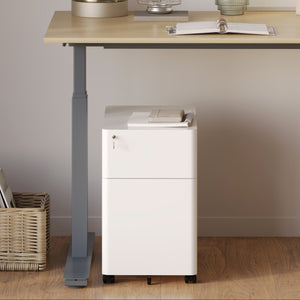






















Filing Cabinet Choices for Cleaner Workstation Planning
Cleaner workstation planning starts with filing storage that matches the desk, document volume, security needs, and daily workflow. Explore how cab...
Learn more
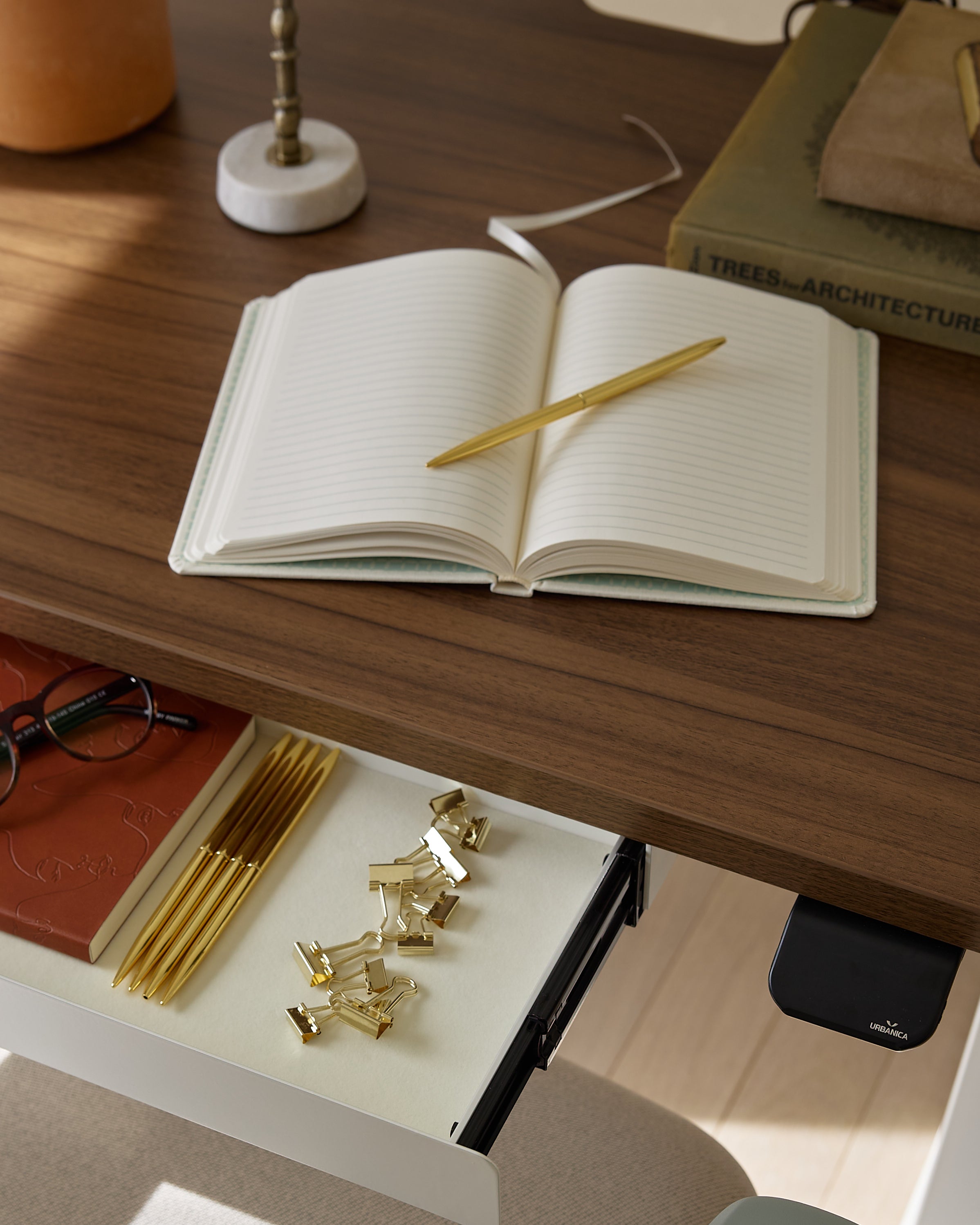
Visit quiz page to see how we makes it easy to create an inspiring workplace


Buying a chair is less about labels and more about patterns. The chair that feels fine for a quick email can feel completely different during a long stretch of work, a ranked match, or a mixed day where you bounce between calls and deep focus. From our perspective as a furniture brand, the safest way to help you choose is to anchor your decision to how you actually sit, not how a chair is marketed.
A work-first setup usually means you spend the most time upright, reaching for a keyboard and mouse, and keeping your eyes steady on a monitor. A game-first setup often adds longer leaning phases, frequent posture changes, and moments where your arms are closer in, especially with a controller. A hybrid setup is the most demanding because it needs stability for typing and comfort for relaxed leaning without feeling like two different chairs in one.
Upright task posture depends on pelvic stability and consistent arm support. Relaxed leaning depends on back support that does not force your shoulders forward and a seat that does not pressure the back of your thighs as you change angles. If your day includes both, prioritize adjustability and neutral geometry over dramatic styling.
Some people sit still and need a chair that stays supportive without constant micro-adjustments. Others reposition constantly and need a chair that stays comfortable through movement. If you change posture often, chairs that feel good only in one exact posture can become frustrating quickly.
A lot of buyer regret comes from predictable discomfort patterns. Spot them early and you avoid the cycle of swapping chairs and second-guessing your setup.
When your pelvis rolls backward, your lower back tends to round. Lumbar support is helpful, but it works best when the seat and backrest help keep your pelvis stable. If you find yourself sliding forward, the lumbar feature might not stay aligned with you.
Armrests that are too high can push your shoulders up. Armrests that are too low can make you hunch. Armrests that are too wide can pull your arms outward and change wrist angles. Comfort here is often less about the chair name and more about how it matches your desk and how you use your hands.
If the seat is too deep, shorter users lose back contact or feel pressure behind the knees. If the front edge is too firm or too sharply shaped, it can restrict circulation over time. A chair can feel supportive and still cause leg discomfort if the seat depth and front edge do not suit your body.
For most buyers, the cleanest first step is comparing chair types in one place before evaluating fine details. Start with our office chair lineup to see different silhouettes, back styles, and intended use profiles, then narrow your focus to chairs that match your posture pattern.
People often expect “gaming chair” and “office chair” to be completely different categories. In practice, the meaningful differences show up in how the chair is shaped, how it supports your body when you shift positions, and how the contact points manage pressure.
Backrest shape influences where you feel support and where your shoulders want to rest. Recline design influences whether you feel evenly supported as you lean back or whether you feel like you are hanging from the chair.
Some chairs are designed with stronger side contours and a more structured upper back feel. That can be appealing if you like a contained seating position. Other chairs feel more open and neutral, which many people prefer for typing and moving their arms freely. Neither approach is universally better. The right choice depends on whether you feel more comfortable being “guided” into a posture or having room to move.
A recline that feels smooth does not automatically mean it will feel supportive. If your pelvis slides forward as you lean, your lower back can lose support. That is why seat texture, seat shape, and how you naturally sit matter just as much as recline.
Seat comfort is not only about softness. It is about how pressure spreads across the seat over time and whether the seat shape supports stable positioning.
A very soft seat can feel welcoming at first and still become tiring later if it compresses unevenly or encourages slouching. A supportive seat can feel slightly firmer and still be more comfortable over longer stretches because it keeps your hips stable and reduces localized pressure.
The front edge of the seat is a common trouble spot. If the edge is too firm or too sharply defined, it can create pressure behind the knees. If the seat is too deep, you might sit forward to avoid pressure and lose back support. A good fit keeps the front edge comfortable while allowing your back to stay supported.
Headrests are useful when they support your head without forcing your chin forward. They tend to help most in relaxed leaning and breaks, not as a primary support for upright work. If you are chasing neck comfort, monitor height and screen distance often matter more than a headrest.
A chair can be well-built and still be wrong for you if the key dimensions do not match your body and workstation. Fit is not about perfection. It is about getting the big parts right so your posture feels natural.
A reliable starting point is simple: when seated, your heels should be able to rest on the floor without effort. If your feet dangle, you may slide forward or tense your hips. If the seat is too low, your hips can feel cramped and your knees can rise too high.
If you love a chair and the seat height that aligns you with your desk leaves your feet slightly unsupported, a footrest can be a practical fix. The goal is stable contact for your feet, not a perfect chair in isolation.
Seat depth affects leg comfort and whether your back stays supported. A simple check is leaving a small gap between the front edge of the seat and the back of your knees. Enough space reduces pressure and helps circulation.
Taller users on shallow seats may feel under-supported in the thighs. Shorter users on deep seats may lose back contact or feel pressure behind the knees. If you find yourself perching on the edge, seat depth is often the reason.
Backrest height influences whether your upper back feels supported or whether the chair encourages rounded shoulders. The goal is support that lets your shoulders stay relaxed while you work or play.
If a backrest pushes your shoulders forward, typing becomes tiring. If the upper back feels too low, you might feel like you are doing all the work holding yourself up. Many people feel best when the back supports the mid-back and allows the shoulders to settle naturally.
Measure floor to desk surface to understand armrest clearance needs
Measure your comfortable seat height from floor to the top of your knee crease while standing in relaxed posture
Note whether you prefer to sit close to the desk or slightly back, since that affects reach distance
Check monitor height and distance, since neck comfort often reflects screen placement more than chair choice
Lumbar support is often the most discussed feature and the most misunderstood. The best lumbar support is the one that stays aligned with your spine when you sit naturally.
Adjustable lumbar tends to work for people who want to fine-tune the feel. Shaped support tends to work for people who want a consistent contour that feels natural without constant adjustments. The key is how it interacts with your pelvis and your sitting habits.
If lumbar support feels like a hard bump, it can be too aggressive or misaligned. Some people respond by sliding forward, which removes the very support they were trying to gain. Comfort often improves when the chair helps you stay back in the seat without effort.
A chair can have excellent lumbar shaping and still feel wrong if your pelvis shifts. Stability comes from how the seat supports your hips and how the backrest meets you when you sit fully back.
If you tend to perch or sit on one leg, lumbar alignment changes. If you slide forward while typing, lumbar support moves away from your spine. A chair that encourages an easy “sit back” position makes lumbar support more consistent.
When buyers want a grounded example of what an ergonomic product page typically communicates, the Novo Chair details and dimensions can serve as a useful reference for the kind of fit and support information that helps you compare chairs systematically.
Armrests are not just for comfort. They influence shoulder tension, wrist angles, and how stable your upper body feels during precise tasks.
The simplest goal is shoulders that feel relaxed and low, not lifted. If your armrests hit the desk, you may be forced to lower them or slide the chair back, which changes reach distance. If your armrests sit too low, you may hunch.
When you place your hands on the keyboard, your forearms should feel supported without pressing your shoulders upward. If your wrists bend sharply or your shoulders shrug, adjustability matters.
Mouse and keyboard use typically benefits from arm support that stays close enough to reduce shoulder load while leaving room to move. Controller use often benefits from bringing elbows slightly inward. Chairs with armrests that lock you into one position can be fine if that position matches your habits, but they can also create strain if they do not.
Integrated armrests can feel stable and predictable, especially in compact setups. They are often appreciated by buyers who value simplicity and do not want to fiddle with adjustments. The tradeoff is less customization, so desk height and chair height become even more important.
Materials shape the daily experience in ways that are easy to overlook at checkout. Comfort is not only how it feels at first touch. It is also how it handles heat, how it looks after regular use, and how easy it is to keep clean.
If you run warm, breathability can be a big deal. Mesh backs often promote airflow, which can help during longer sitting blocks. Upholstered seats can feel cozy, but they also hold more heat depending on the fabric and padding.
Many buyers assume softness equals comfort. In longer sessions, heat buildup and moisture can become the bigger issue. A cooler chair can feel more comfortable over time even if it feels less plush initially.
Every material has tradeoffs. Smooth surfaces can be easier to wipe. Textured fabrics can hide minor marks but may trap pet hair. Mesh can resist heat buildup but may need occasional careful cleaning to maintain a fresh feel.
Seams, creases, and stitched edges collect dust and debris over time. The more complex the surface, the more attention it can require. Consider what “maintenance” realistically looks like in your home or office.
Look for clear photography that shows stitching, edges, and the way materials wrap around the frame. Wear often starts where your body rubs most. That is usually the seat edge, armrest contact areas, and upper back zones.
If you want a straightforward example of a product page that emphasizes daily ergonomic use and material choices, the Onyx Chair pricing and material overview provides a helpful baseline for comparing mesh-style seating to more upholstered options. It is useful for understanding how breathable designs are typically presented and what details to look for when you compare chairs.
A chair that feels unstable or noisy can become distracting fast. Floor compatibility is also one of the easiest things to overlook until it causes scuffs, dents, or drag.
Carpet and hard floors behave differently. On carpet, small wheels can feel sluggish. On hard floors, hard wheels can be noisy or mark surfaces depending on the floor finish. If your chair is difficult to roll, you might compensate by twisting your body instead of moving the chair, which can affect comfort.
A mat can protect floors and improve rolling, but it will not fix a chair that is unstable or a setup that forces awkward reach. Think of a mat as a surface solution, not a posture solution.
Reclining changes your center of gravity. A stable base helps you feel confident when you lean back and shift positions. If you prefer to recline often, stability becomes more important.
A chair can feel “tippy” if its footprint does not match how you move and lean. Stability is a function of base design and how you use the chair. If you are active in your chair, choose stability you can feel.
Some people want the chair to glide easily, especially in a wider workspace. Others prefer a chair that stays put. The “best” feel depends on your floor, your desk size, and whether you reach for peripherals around you.
A chair cannot do all the work if your desk height, monitor placement, and reach distance are off. Pairing matters because it determines how you sit without thinking.
If your desk is high and your chair cannot bring you to a comfortable elbow height, shoulders tend to lift. If the monitor is low, the head tends to tip forward. These small angles add up over hours.
When a screen is low, many people recline to reduce neck strain, which shifts the support needs of the chair. A better screen height can make an upright posture feel easier and can reduce the pressure to chase recline comfort.
Even if you can set the seat height correctly, armrests might bump the desk, or your thighs might feel tight under the desk. This is where desk dimensions and chair adjustments need to work together.
A keyboard tray can lower hand position, which changes armrest needs and chair height. If you use a tray, your chair choice can shift toward different arm support and posture patterns.
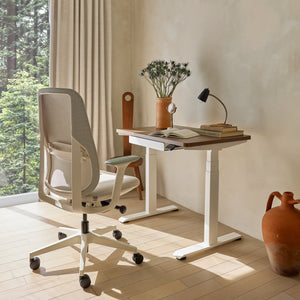
If you are not sure whether your chair discomfort is really a desk issue, comparing your measurements to a range of desk styles can help you identify mismatches. Our desk and standing desk range makes it easier to see typical desk proportions and plan a pairing that supports both work and gaming sessions.
A chair can be visually perfect and still feel awkward for daily use. The most successful design-led chairs support posture without requiring you to “sit correctly” all day.
The shape of the back, the openness of the sides, and the seat profile all influence how you settle into the chair.
Open sides can feel freeing and may suit users who move around a lot. Structured sides can feel supportive but may limit certain sitting styles. Consider how you naturally sit during calls, creative work, or long play sessions.
A chair that supports small posture changes can reduce fatigue. The goal is not to lock yourself into a rigid position. It is to make neutral posture easy, then allow comfortable variation.
Small adjustments in how you sit can relieve pressure points. Chairs that feel comfortable in more than one position often work better for hybrid schedules and long home setups.
For buyers balancing aesthetics with practical comfort, the Muse Chair specs and description offers a clear example of how design-forward seating can still be positioned for regular use, including details that help shoppers evaluate fit and function without relying on hype.
Some shoppers want a chair that simply works day after day, without a complicated adjustment routine. That is a reasonable goal, especially in shared workspaces, home offices, or multipurpose rooms.
Consistency is about sitting down and feeling supported in a repeatable way. It is also about having fewer surprises when you shift positions. Chairs that feel stable and balanced tend to be easier to live with.
Specialized chairs can be excellent for a specific posture or activity. Dependable chairs are often better for mixed-use routines where you do not want to think about your seating every hour.
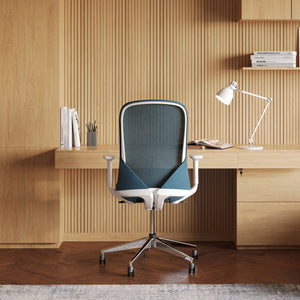
Integrated armrests can simplify decision-making and reduce adjustment fatigue. Breathable backs can help with long sessions and warm environments. If those traits match your priorities, the Seashell Chair design details is a useful example of a modern mesh chair profile designed around practical everyday use and a straightforward silhouette.
A confident purchase is not just about how the chair looks online. It is also about knowing what happens when it arrives, how to evaluate it fairly, and how to keep expectations realistic.
Most chairs arrive with a few core steps. Typical assembly involves attaching the base, installing casters, aligning the seat mechanism, and securing the backrest. “Easy” usually means manageable, not effortless. The safest approach is to set up in a clear area and keep the packaging until you are certain everything is correct.
Confirm all listed parts are present before starting
Inspect casters and base for visible damage
Check that major components align cleanly before tightening fully
Tighten fasteners evenly, then recheck after initial use
Returns and warranty policies vary, so it is smart to read the rules before checkout. The most realistic way to evaluate a chair is to test it across the same activities you plan to do daily. That includes typing, leaning, and short breaks. Keep packaging until you are satisfied with fit and function.
Keep the box and packing materials until you have confirmed the chair fits your space and feels right for your routine. This reduces stress if an issue needs to be addressed.
Some buyers want to sit-test, compare materials in person, or get help thinking through a full workspace. For that kind of decision support, our local shipping and workspace setup page outlines how we approach office furniture shopping and setup in a local context without turning the process into guesswork.
The most helpful checkout tool is a simple mapping from your use case to the features that make it comfortable. Use this as a quick filter, then validate fit with measurements.
If you work long hours at a desk, prioritize stable upright support, arm alignment with your desk, and a seat depth that keeps your legs comfortable.
If you game for long sessions, prioritize comfort through posture changes and pressure distribution through recline and leaning.
If you do both, prioritize adjustability and neutral geometry that supports multiple positions without forcing a single posture.
| Primary use pattern | Fit priority to check first | Support preference to consider | Material reality check | Setup constraints to verify |
|---|---|---|---|---|
| Work-first typing and mousing | Armrest-to-desk clearance, seat depth | Stable mid-back and consistent lumbar feel | Cleaning and all-day comfort on contact points | Desk height, monitor height, reach distance |
| Game-first long sessions | Seat pressure distribution, back comfort in lean | Comfort through posture change and recline | Heat management and breathability | Floor rolling feel, space for movement |
| Hybrid work plus gaming | Seat depth plus arm support range | Support that stays comfortable in multiple postures | Balance of breathability and easy upkeep | Desk clearance, armrest clearance, screen distance |
| Shared workspace or multi-user | Broad seat comfort and predictable feel | Simple support that does not require constant tuning | Durability and ease of maintenance | Adjustability range across different heights |
If your chair is close to right but not perfect, small changes to the setup often unlock better comfort than chasing a completely different chair. The safest improvements are practical and measurable.
Start with what affects posture most consistently.
A footrest can stabilize posture when desk and chair heights do not align perfectly. A monitor at a comfortable height can reduce forward head posture and shoulder tension. Better lighting can reduce the tendency to lean forward to read or focus, which indirectly improves posture.
Chairs experience natural settling with use. A quick maintenance routine keeps the chair feeling solid and reduces annoying movement.
Check major fasteners occasionally, especially if the chair is used heavily. Clean casters periodically so hair and debris do not affect rolling. Wipe surfaces according to the material so the chair stays comfortable and presentable.
If you constantly reach forward, crane your neck, or feel like you cannot get close enough to your work surface, your desk layout or height may be the real constraint. A chair can only support the posture your workstation allows. When the workstation supports neutral reach and screen positioning, the chair becomes noticeably easier to live with.


You have unlocked free shipping!
You're saving $29 and unlocked free shipping!
Leave a comment