



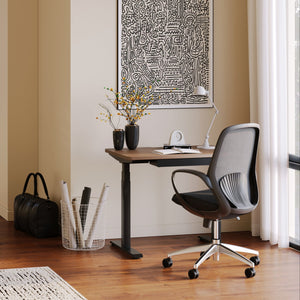
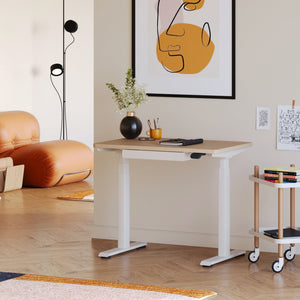
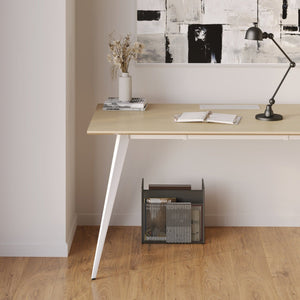
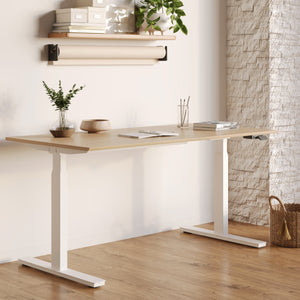
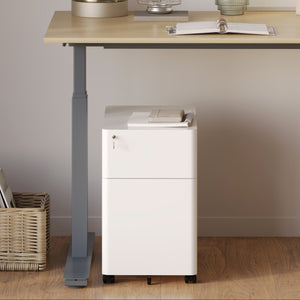






















Filing Cabinet Choices for Cleaner Workstation Planning
Cleaner workstation planning starts with filing storage that matches the desk, document volume, security needs, and daily workflow. Explore how cab...
Learn more
Visit quiz page to see how we makes it easy to create an inspiring workplace


The idea of a fixed office has changed. Work now happens in living rooms, guest bedrooms, shared tables, and even temporary setups that shift throughout the week. As a result, furniture trends have evolved to support flexibility, comfort, and mobility.
Work-from-anywhere living demands pieces that adapt quickly and perform consistently. Desks must handle video calls and creative work. Chairs must provide lasting support. Layouts must transition smoothly between productivity and relaxation. The rise of flexible living is not just influencing where we work. It is redefining how furniture is designed.
Modern homes are no longer divided into rigid categories. A dining area might serve as a workstation during the day. A spare bedroom may transform into a hybrid office. Furniture must now accommodate this constant shift.
A thoughtfully designed Office Table California reflects this evolution. Clean lines, strong construction, and adaptable proportions allow it to function as both a workspace and a shared surface when needed.
This trend is fueled by:
Remote and hybrid work models
Smaller living spaces
Shared family environments
Increased need for flexibility
Furniture must now perform multiple roles without compromising style or durability.
Height flexibility has become one of the most influential trends in modern workspaces.
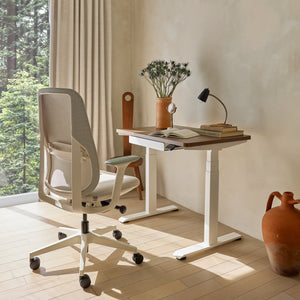
A high-quality standing desk supports movement and adaptability throughout the day.
Encourages posture changes
Reduces fatigue
Supports multiple users
Enhances focus
Health awareness continues to grow
Hybrid routines require flexibility
Adjustable systems extend usability
Long-term comfort drives buying decisions
Height-adjustable desks align perfectly with work-from-anywhere lifestyles.
Video meetings have made the home office visible. Backgrounds matter. Surfaces matter. Stability matters.
A well-crafted office desk provides a professional foundation.
Reduces visual distractions
Creates polished video backgrounds
Supports organized workflow
Blends into modern interiors
Durable finishes
Stable frames
Balanced proportions
Easy cable management
Professional surfaces have become a core trend because virtual work environments remain central to modern routines.
As work shifts into the home, ergonomic knowledge has expanded. Resources like this ergonomic workstation guide highlight the importance of proper alignment and monitor positioning.
Work-from-anywhere living requires more than portability. It requires intentional setup. Proper monitor height, lumbar support, and desk positioning reduce strain during extended work sessions.
Ergonomic awareness has moved from niche concern to essential standard.
Flexibility does not stop at desks. Chairs must also adapt.
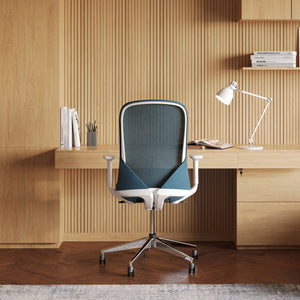
A supportive ergonomic chair ensures comfort throughout changing routines.
Long work sessions require support
Hybrid schedules increase sitting time
Posture awareness continues to grow
Comfort improves productivity
Adjustable lumbar support
Height flexibility
Breathable materials
Stable construction
Chairs that adapt ensure comfort across various environments and tasks.
Work-from-anywhere setups rely heavily on screens and devices. Flexible monitor positioning is essential.
An adjustable ergonomic arm supports smooth repositioning of screens and improves alignment. Flexible mounting systems allow you to adapt to single or dual monitors as work demands change.
Elevated technology integration ensures:
Better viewing angles
Reduced neck strain
More usable desk space
Clean visual lines
Technology trends continue to influence furniture design.
|
Feature |
Traditional Setup |
Work-From-Anywhere Trend |
|
Desk Height |
Fixed |
Adjustable |
|
Layout |
Permanent |
Flexible |
|
Monitor Setup |
Surface-based |
Elevated |
|
Seating |
Basic support |
Ergonomic focus |
|
Room Purpose |
Single use |
Multi-use |
Modern living demands furniture that adapts to evolving routines.
Portable does not mean unstable. Work-from-anywhere furniture must balance light adaptability with strong construction.
Reinforced frames
Smooth adjustment mechanisms
Compact footprints
Durable surfaces
Prevents wobbling during calls
Supports heavier equipment
Maintains professional presentation
Extends product lifespan
Portability combined with strength defines the next generation of workspace furniture.
Work-from-anywhere living reflects a broader desire for flexibility. Furniture that supports this freedom enhances both productivity and personal well-being.
Adaptable desks, supportive seating, and integrated monitor systems allow you to create a workspace wherever needed without compromising comfort. The future of home design centers around versatility rather than permanence.
Furniture trends inspired by flexible work models prioritize performance over temporary style shifts.
Work-from-anywhere living often means shifting between tasks quickly. Storage must support this pace without slowing you down.
Traditional bulky storage does not align with modern hybrid living. Instead, streamlined storage solutions complement adaptable desks and seating.
Keeps essential tools within reach
Prevents clutter from spreading
Supports shared spaces
Makes transitions smoother
Assign dedicated zones for work tools
Keep only active projects on the desk
Store cables neatly
Rotate items seasonally
When storage supports mobility, your workspace remains efficient no matter where it is set up.
Work-from-anywhere setups are often shared. One desk may serve different people throughout the week. Flexibility must extend beyond layout to accommodate various needs.
Shared spaces benefit from furniture that easily adapts to different heights, preferences, and workflows.
Height-adjustable desks
Flexible monitor positioning
Adjustable lumbar support
Spacious yet compact surfaces
Supports families and roommates
Reduces the need for duplicate furniture
Encourages healthy posture for all users
Increases long-term value
Designing for multiple users ensures your investment remains practical in evolving living arrangements.
As work blends into home life, visual harmony becomes increasingly important. Furniture must perform professionally while blending seamlessly with personal décor.
Neutral tones and structured silhouettes allow workspaces to integrate into living areas without dominating them.
Maintains a calming environment
Reduces visual fatigue
Supports professional video presence
Preserves residential warmth
Choose cohesive finishes
Keep surfaces minimal
Position desks thoughtfully
Integrate lighting intentionally
Hybrid spaces function best when performance and appearance work together.
The work-from-anywhere movement is shaping long-term design decisions.
Use this checklist when evaluating furniture trends:
Can the desk adjust in height?
Does the chair provide ergonomic support?
Is monitor positioning flexible?
Does the layout support multiple uses?
Are materials durable?
Is the design clean and professional?
Can it adapt to changing technology?
Does it fit smaller spaces efficiently?
Will it remain relevant long term?
Does it support comfort daily?
Flexible living is not temporary. Furniture that adapts to changing routines ensures your space remains productive and comfortable wherever work takes you.


You have unlocked free shipping!
You're saving $29 and unlocked free shipping!
Leave a comment