






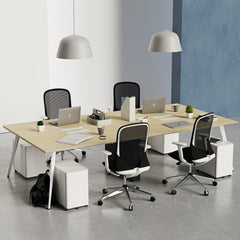
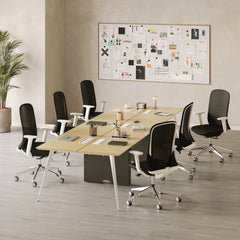


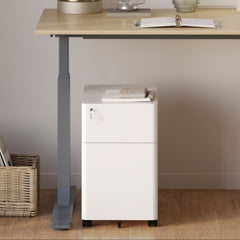


Filing Cabinet Choices for Cleaner Workstation Planning
Cleaner workstation planning starts with filing storage that matches the desk, document volume, security needs, and daily workflow. Explore how cab...
Learn more
Visit quiz page to see how we makes it easy to create an inspiring workplace


Productivity is often treated as a mindset problem. We look for better routines, sharper focus, or smarter tools. What is frequently overlooked is the physical environment where work actually happens. Furniture plays a quiet but powerful role in how productive you feel throughout the day. The right setup reduces friction, supports the body, and allows focus to last longer. When furniture is poorly chosen, even the best intentions struggle to survive a full workday. Productivity does not begin with willpower. It begins with the furniture you rely on every single day.
The brain responds constantly to physical cues. When furniture feels awkward, unstable, or uncomfortable, part of your attention is pulled away from work. You may not notice it consciously, but your body is always adjusting. Shifting posture, leaning forward, tightening shoulders, or searching for a comfortable position all consume mental energy.
A workspace designed around the body allows the mind to stay engaged. Instead of reacting to discomfort, your attention stays on tasks. This is why productivity often improves dramatically after a furniture upgrade, even when work habits remain the same.
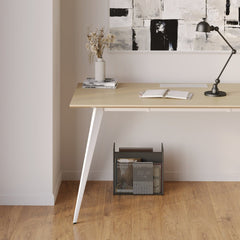
The desk is the most frequently used surface in a workspace. Its height determines how arms rest. Its depth affects screen placement. Its stability influences posture. When the desk is wrong, productivity suffers quietly but consistently.
A productivity-supportive desk offers:
enough surface space for daily tools
stable construction that does not wobble
appropriate height for typing and writing
room for monitors at eye level
For professionals working locally, an Office Table Los Angeles option that balances size and stability helps create a dependable foundation for focused work.
When a desk layout stays consistent, your brain learns where everything belongs. You reach without looking. You type without adjusting posture. You work without breaking focus. This predictability supports mental flow and reduces the number of small interruptions that slow progress.
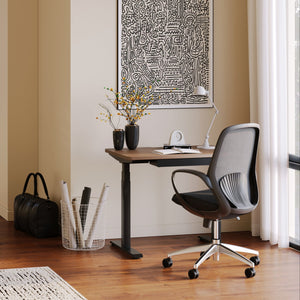
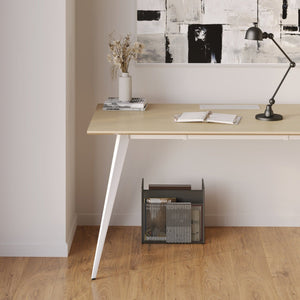
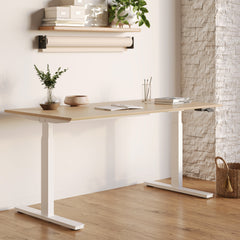
A thoughtfully designed office desk allows tools, screens, and accessories to remain in consistent positions, helping productivity build naturally throughout the day.
Sitting still for long periods reduces circulation and increases fatigue. Even when posture is technically correct, static positioning drains energy. The body needs movement to maintain alertness.
Productivity-focused furniture supports subtle posture changes and encourages movement without disrupting work. When movement is built into the environment, energy levels remain steadier and focus lasts longer.
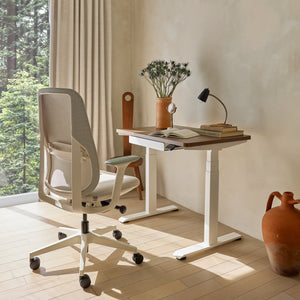
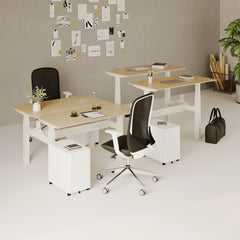
Alternating between sitting and standing helps manage energy throughout the day. Standing increases circulation and alertness. Sitting supports detailed, focused tasks. A workspace that supports both allows productivity to adapt to different types of work.
Benefits of sit-stand flexibility include:
reduced physical fatigue
improved blood flow
fewer afternoon energy crashes
better posture awareness
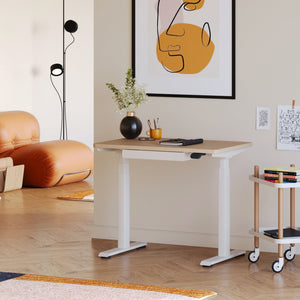
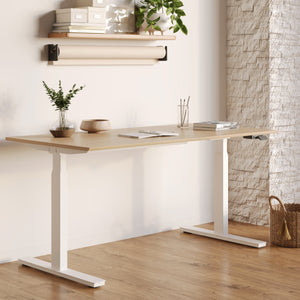
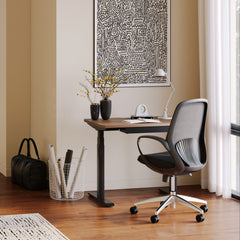
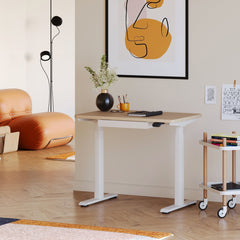
A well-integrated standing desk allows smooth transitions between positions without breaking concentration.
Workspace productivity is not guesswork. Studies on the science of office productivity design show that environments supporting posture, movement, and visual order significantly improve focus and output.
When furniture aligns with these principles, productivity improves not because people work harder, but because the environment removes obstacles to sustained focus.
|
Furniture Element |
Primary Role |
Productivity Benefit |
Best Use |
|
Desk |
Work surface |
Task organization |
Daily work |
|
Adjustable desk |
Movement |
Sustained energy |
Long sessions |
|
Supportive chair |
Seating |
Reduced fatigue |
Focused tasks |
|
Stable layout |
Consistency |
Fewer distractions |
Deep work |
Productivity is closely tied to physical comfort. According to research on evaluating office furniture ergonomically, poor furniture choices increase fatigue and reduce efficiency over time, even when discomfort seems minor at first.
Ergonomic evaluation focuses on:
posture support
adjustability
alignment with daily tasks
long-term comfort
Furniture that performs well under these criteria supports productivity not just today, but over months and years.
A chair that fails to support posture pulls attention away from work. Tension builds in the lower back, shoulders, and neck. Over time, focus becomes harder to maintain.
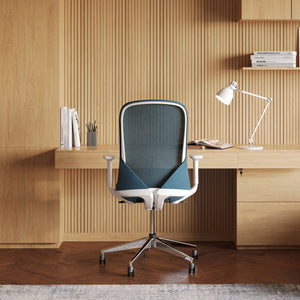
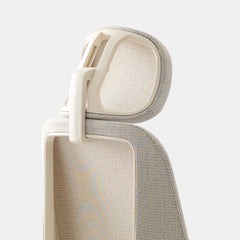
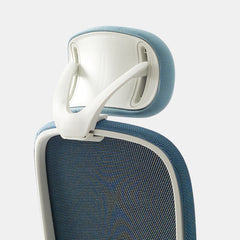
A supportive ergonomic chair adapts as posture shifts throughout the day, helping maintain comfort and concentration during long work sessions. When seating works properly, it becomes background support rather than a constant distraction.
A productive workspace is not just physically comfortable. It also needs to feel visually calm. When furniture creates clutter or visual noise, the brain works harder to filter distractions. Even subtle disorders can increase mental fatigue over time.
Furniture that supports visual order helps productivity in quiet ways:
clean lines reduce visual interruptions
consistent finishes create a sense of cohesion
open surfaces make tasks feel more manageable
When the eye can rest, the mind follows. A workspace that feels visually balanced supports deeper focus, especially during long work sessions that require sustained attention.
Many productivity setups work well for short bursts but fail over long periods. True productivity is about endurance. It is the ability to work comfortably day after day without accumulating physical strain or mental burnout.
Furniture that supports endurance:
maintains comfort across long sessions
adapts as posture and energy change
reduces cumulative stress on the body
When furniture is chosen with long-term use in mind, productivity becomes sustainable. Instead of relying on motivation alone, the workspace itself helps carry the workload.
True productivity does not come from pushing harder. It comes from designing a workspace that supports focus naturally. Furniture is not decoration. It is infrastructure. When the environment supports the body, the mind follows.
Before finalizing your workspace, use this checklist:
Does the desk support consistent posture?
Can you move comfortably throughout the day?
Does seating reduce fatigue rather than create it?
Is the layout predictable and uncluttered?
Does the space support both focus and energy?
When furniture works with you, productivity becomes sustainable instead of exhausting.


You have unlocked free shipping!
You're saving $29 and unlocked free shipping!
Leave a comment