



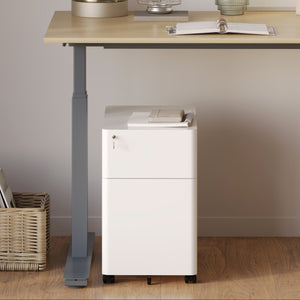



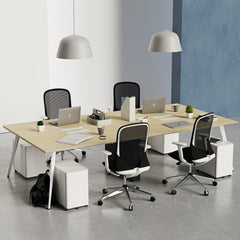


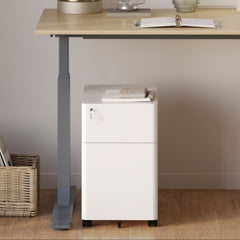


Filing Cabinet Choices for Cleaner Workstation Planning
Cleaner workstation planning starts with filing storage that matches the desk, document volume, security needs, and daily workflow. Explore how cab...
Learn more
Visit quiz page to see how we makes it easy to create an inspiring workplace


Back and neck pain have become common problems in modern work environments. Long hours at a desk, combined with poor posture and inadequate furniture, create the perfect conditions for discomfort. Many people try to manage the symptoms, but the real solution starts with the workspace itself.
Choosing the right setup, such as reliable Office Furniture California solutions, can significantly reduce strain on your body. When your furniture supports your posture, you prevent pain instead of reacting to it.
Back and neck pain do not appear suddenly. They build gradually from small daily habits. Sitting in a chair without proper support or working at a desk that is too high or too low forces your body into unnatural positions.
Over time, this leads to:
Muscle strain in the neck and shoulders
Pressure on the lower back
Poor spinal alignment
Reduced mobility
When your workspace does not support your body, your muscles work harder to compensate. This constant strain causes fatigue and discomfort, making it harder to stay productive.
The key is to create an environment where your body can maintain a natural posture without effort.
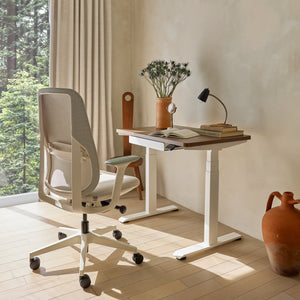
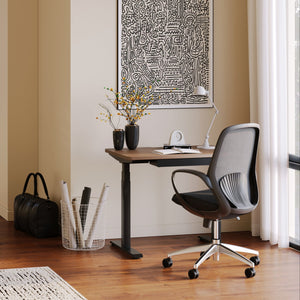
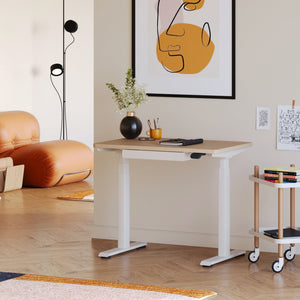
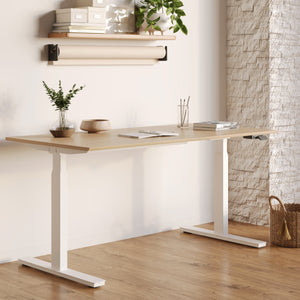
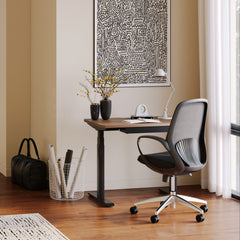
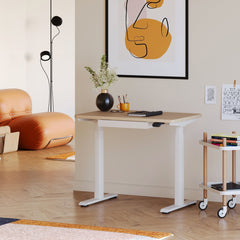
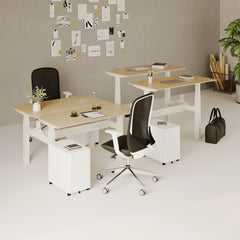
A flexible standing desk allows you to adjust your working position throughout the day. This reduces pressure on your spine and prevents stiffness.
Remaining in one position for too long increases tension in your muscles. Alternating between sitting and standing helps:
Reduce lower back pressure
Improve circulation
Prevent stiffness
Maintain energy levels
To minimize strain, your desk should:
Allow height adjustment
Provide enough space for proper arm positioning
Keep your monitor at eye level
These features help maintain proper posture and reduce unnecessary tension.
Your desk, chair, and accessories must function as a system. A poorly arranged workspace forces you to reach, twist, or lean frequently, which contributes to discomfort.
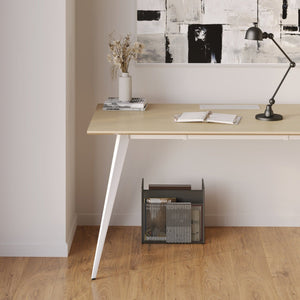
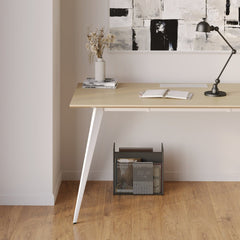
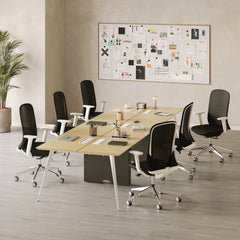
A well-sized office desk helps keep your tools within reach and supports a natural working position.
Guides like this furniture tips highlight the importance of choosing furniture that supports both comfort and functionality.
To improve your setup:
Keep frequently used items close
Align your keyboard with your elbows
Position your monitor directly in front of you
These changes reduce unnecessary movement and help maintain proper posture.
Comfort is not just about feeling good in the moment. It affects how your body performs throughout the day. When your workspace supports your posture, your muscles can relax and function properly.
This leads to:
Less physical strain
Improved focus
Longer periods of uninterrupted work
A comfortable setup allows you to concentrate on your tasks instead of constantly adjusting your position.
Accessories play an important role in reducing strain. An ergonomic arm helps position your monitor at the correct height, preventing you from looking down or up for extended periods.
Improper screen placement forces your neck into awkward angles. Over time, this leads to tension and discomfort.
Proper positioning helps you:
Keep your head level
Reduce neck strain
Maintain better posture
Monitor arms for flexibility
Cable management for a cleaner setup
Desk organizers for efficiency
These tools help create a smoother and more comfortable work experience.
Your chair is one of the most important elements in your workspace. Sitting for long hours without proper support can lead to serious discomfort.
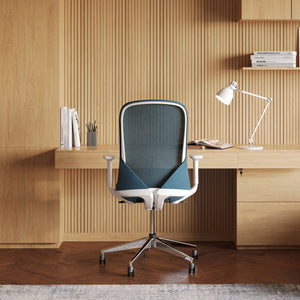
A supportive ergonomic office chair helps maintain the natural curve of your spine and reduces pressure on your lower back.
When your chair supports your body correctly, you can sit comfortably for longer periods without experiencing fatigue or pain.
|
Furniture Element |
Benefit |
Pain Prevented |
Ideal Use Case |
|
Standing Desk |
Encourages movement |
Lower back stiffness |
Long work sessions |
|
Office Desk |
Organized workspace |
Posture imbalance |
Daily tasks |
|
Ergonomic Chair |
Supports spine |
Back and neck pain |
Extended sitting |
|
Monitor Arm |
Adjustable screen height |
Neck strain |
Screen-heavy work |
|
Balanced Setup |
Proper alignment |
Overall discomfort |
Full workday use |
A pain-free workspace requires alignment between all components. Your desk, chair, and accessories must work together to support your body.
Adjustable desk height
Supportive chair
Proper monitor positioning
Organized layout
In addition to furniture, habits matter:
Take regular breaks
Stretch throughout the day
Maintain good posture
Consistency helps prevent strain from building over time.
Investing in the right furniture is not just about immediate relief. It creates long-term improvements in your health and productivity.
Benefits include:
Reduced risk of chronic pain
Improved posture
Increased focus
Better overall well-being
These improvements help you maintain a healthier and more productive work routine.
Creating a workspace that prevents pain starts with thoughtful choices. The goal is to remove anything that causes strain and replace it with solutions that support your body.
Use a desk that allows proper height adjustment
Choose a chair that supports your spine
Keep your monitor at eye level
Add ergonomic accessories for better alignment
Maintain a clean and organized workspace
Take regular breaks to move
Stay mindful of your posture
When your workspace supports your body, you reduce the risk of pain and improve your overall quality of life. The right furniture does not just make work easier. It helps you feel better every day.


You have unlocked free shipping!
You're saving $29 and unlocked free shipping!
Leave a comment