



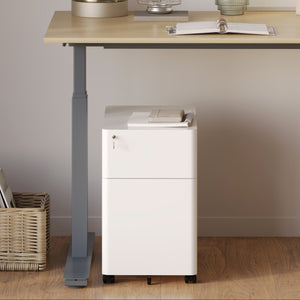






















Filing Cabinet Choices for Cleaner Workstation Planning
Cleaner workstation planning starts with filing storage that matches the desk, document volume, security needs, and daily workflow. Explore how cab...
Learn more
Visit quiz page to see how we makes it easy to create an inspiring workplace


Working from home has blurred boundaries in ways many people did not expect. The same table that hosts family meals becomes a workstation. The couch doubles as a conference room. Laptops stay open long after the workday should end. Over time, this lack of separation affects focus, energy, and even personal relationships. Creating a clear work-life boundary is no longer just about scheduling. It is about how your space signals when it is time to work and when it is time to rest.
Furniture plays a quiet but powerful role in defining those boundaries. The right setup tells your brain when to shift into work mode and when to disengage. With intentional furniture choices, even small homes can support healthier routines that protect both productivity and personal time.
Work-life balance often gets framed as a mindset issue, but the physical environment has a stronger influence than many realize. When workspaces blend into living areas, the brain struggles to switch off. This constant low-level engagement leads to fatigue, irritability, and reduced motivation.
Furniture creates visual and functional cues. A defined workstation communicates purpose. A separate seating arrangement encourages mental closure at the end of the day. Even subtle shifts, like standing versus sitting, can reinforce transitions between work and personal time.
When your environment clearly supports work during certain hours, it becomes easier to mentally step away afterward without guilt or distraction.
Even without a spare room, furniture can carve out a functional work zone.
Furniture placement creates boundaries where walls do not exist.
Position desks to face away from relaxation areas
Use shelving or storage units as soft dividers
Keep work furniture visually distinct from leisure furniture
Clear visual separation helps the brain associate specific areas with specific behaviors. When work ends, stepping away from that zone makes it easier to disconnect mentally.
A thoughtfully arranged workspace using Office Furniture California options allows even open layouts to feel structured and intentional.
Standing work naturally encourages shorter, more intentional sessions.
Standing reduces the tendency to overwork by making breaks feel natural.
Encourages posture changes
Promotes circulation and alertness
Makes transitions between tasks more noticeable
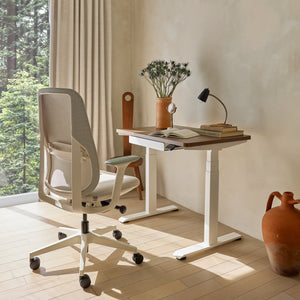
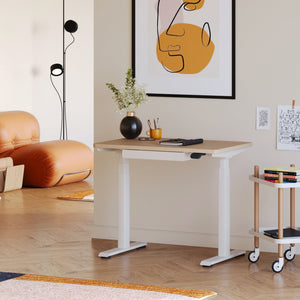
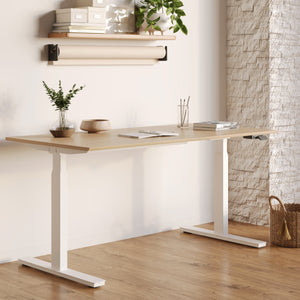
A well-proportioned standing desk supports focused work while discouraging endless sedentary hours. Standing becomes a purposeful choice rather than a default habit.
Using standing work strategically helps separate deep work from casual browsing or after-hours tasks.
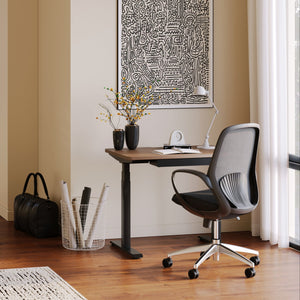
Sitting is not the problem. Unstructured sitting is. When work seating blends with lounging furniture, posture suffers and work bleeds into rest time. A defined seated workstation supports focus during work hours and signals when it is time to step away.
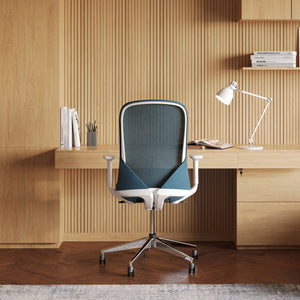
A proper office desk anchors seated work with structure. It encourages upright posture, organized tools, and intentional work sessions that end when the day does.
Research consistently shows that physical environments influence productivity, stress levels, and decision-making.
Studies on office layout and productivity highlight how spatial cues affect attention and energy.
Defined work zones improve focus
Clutter increases cognitive load
Poorly designed spaces increase fatigue
Insights from the science of workspace design show that intentional furniture placement improves performance and reduces burnout. This article on workspace productivity design reinforces the importance of structure in daily routines.
Furniture is not just functional. It actively shapes behavior.
Physical discomfort keeps the mind engaged with work long after tasks are finished. A sore back or tense shoulders make relaxation harder. Proper ergonomic support allows the body to fully disengage when the workday ends.
Small adjustments in support often lead to significant improvements in energy and mood.
|
Element |
Weak Boundary Setup |
Strong Boundary Setup |
|
Desk placement |
Shared with leisure space |
Dedicated work zone |
|
Seating |
Couch or dining chair |
Supportive task seating |
|
Movement |
Static posture |
Alternating positions |
|
Visual cues |
Cluttered background |
Clean, defined layout |
|
End-of-day signal |
Laptop stays open |
Workspace physically left |
Strong boundaries rely on intentional design, not willpower.
Accessories fine-tune how furniture supports daily habits.
Unsupported arms increase tension, which keeps the nervous system activated.
Reduces shoulder strain
Encourages neutral posture
Makes long sessions more comfortable
Using an ergonomic arm support reduces physical stress, making it easier to mentally disconnect after work hours instead of carrying tension into personal time.
Chairs influence how long people stay engaged. A well-designed chair supports focused work but does not encourage endless sitting.
A supportive ergonomic office chair maintains posture during work hours while allowing the body to relax naturally when work ends. When seating feels balanced rather than indulgent, it becomes easier to step away without lingering.
Furniture that respects the body helps respect time boundaries as well.
Creating a work-life boundary is not about discipline alone. It is about designing a space that supports healthy transitions automatically.
Use this checklist to evaluate your setup:
Does your workspace feel separate from relaxation areas
Can you physically leave your work zone at the end of the day
Does your furniture support posture without encouraging overuse
Are standing and sitting both available when needed
Does your environment reduce tension rather than carry it forward
When furniture aligns with how you work and rest, boundaries become easier to maintain. Work stays productive. Life stays personal. And the space between them finally feels clear.


You have unlocked free shipping!
You're saving $29 and unlocked free shipping!
Leave a comment