



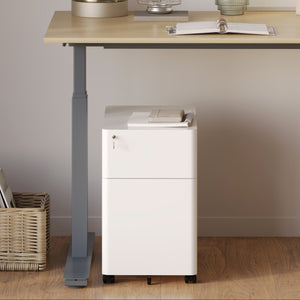






















Filing Cabinet Choices for Cleaner Workstation Planning
Cleaner workstation planning starts with filing storage that matches the desk, document volume, security needs, and daily workflow. Explore how cab...
Learn more
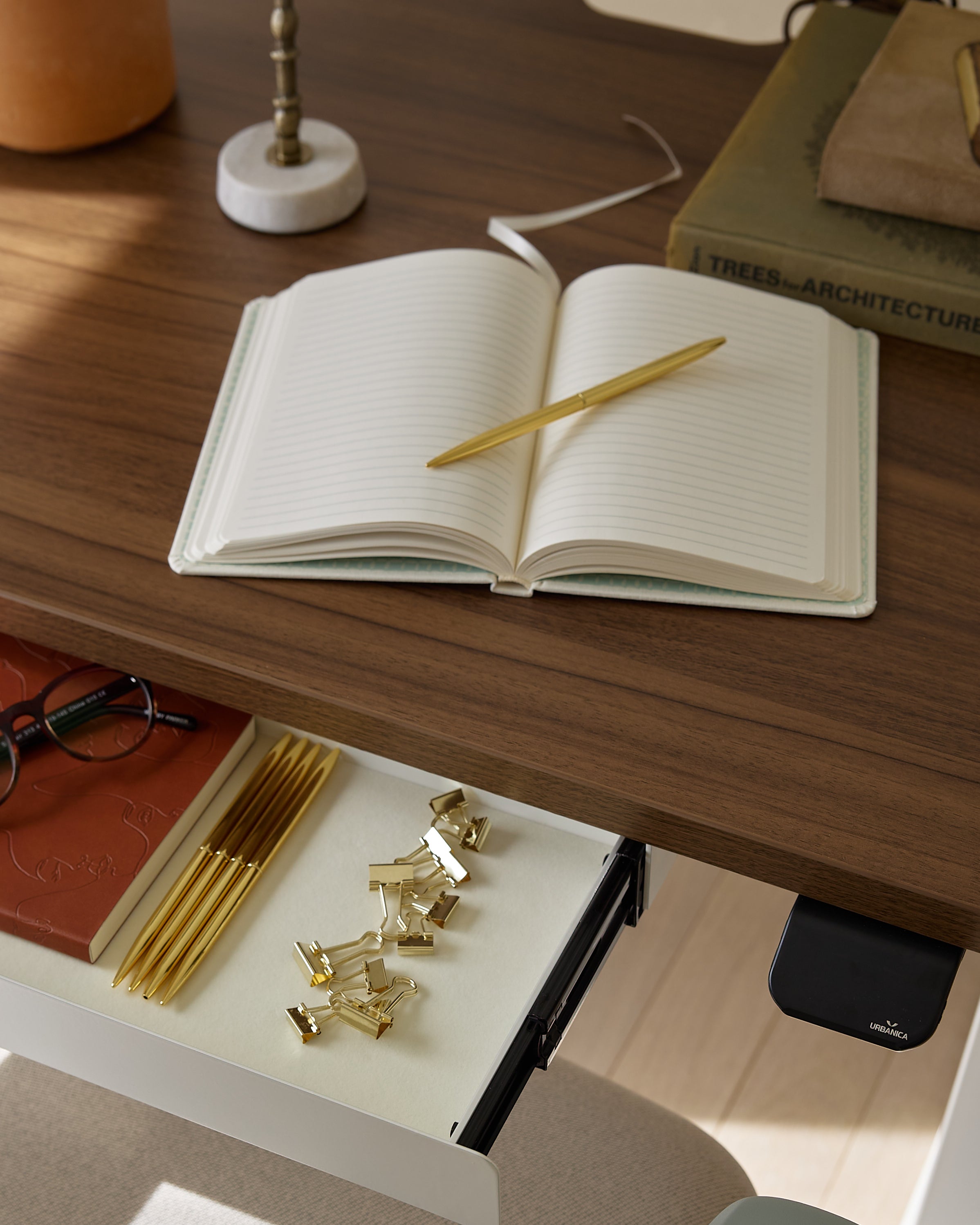
Visit quiz page to see how we makes it easy to create an inspiring workplace


Some people thrive when seated for hours with deep focus. Others feel restless and stiff unless they can stand, stretch, or move throughout the day. Most of us fall somewhere in between. Choosing the right furniture is not about following trends. It is about matching your work setup to how your body and mind function best. When furniture supports your natural rhythm, work feels easier, energy lasts longer, and discomfort fades into the background.
This guide breaks down standing versus sitting work styles, how to combine both effectively, and how thoughtful furniture choices can shape healthier, more productive days.
Work style is not just about how long you sit or stand. It reflects how you concentrate, move, and respond to fatigue. Some people perform best with long stretches of stillness, while others need frequent posture changes to stay alert.
Furniture that clashes with your work style creates friction. That friction shows up as shoulder tension, lower back pain, or mental fatigue by midday. When furniture aligns with how you naturally work, your body spends less energy compensating and more energy focusing.
Understanding your habits is the first step toward choosing furniture that works with you instead of against you.
Sitting often gets blamed for modern health issues, but the real problem is static sitting without support or movement. When done correctly, seated work allows precision, comfort, and long periods of concentration.
Sitting supports tasks that require fine motor control, sustained attention, or frequent keyboard use. Writing, design work, data analysis, and meetings often benefit from a stable seated posture.
A seat that supports natural spinal curves
Feet resting flat on the floor
Elbows aligned with the work surface
A backrest that encourages upright posture without stiffness
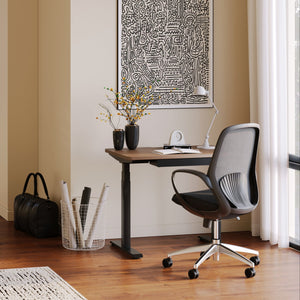
Pairing seated work with a well-designed office desk creates stability while minimizing strain. The goal is comfort without collapse, structure without rigidity.
Standing naturally promotes small shifts in posture. These micro-movements keep muscles engaged and prevent stiffness from settling in.
Standing works well for tasks that involve brainstorming, calls, reading, or creative planning. It often increases alertness and makes it easier to transition between tasks.
Work surface aligned with elbow height
Screen positioned at eye level
Soft flooring or supportive shoes
Ability to change position easily
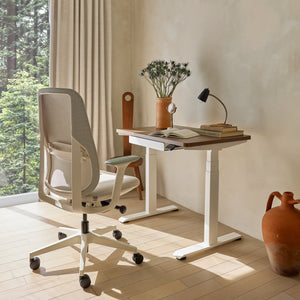
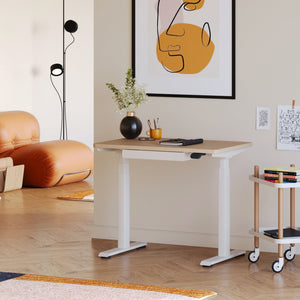
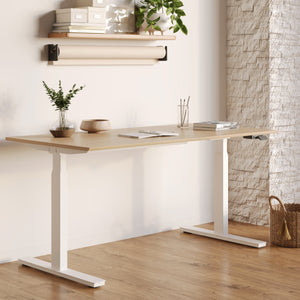
A thoughtfully designed standing desk allows standing to feel energizing rather than exhausting.
Most people do not need to choose between sitting and standing. The most effective setups support both. Alternating positions throughout the day reduces fatigue and keeps energy consistent.
Furniture should make transitions seamless. When changing posture feels like a hassle, people stop doing it. A setup that encourages flexibility naturally supports healthier habits without constant reminders.
Instead of asking what furniture is popular, ask how you move during the day. Do you lean forward when focused? Shift often during calls? Prefer stillness during deep work?
Frequent movement benefits from flexible layouts
Long focus sessions need strong lumbar support
Short tasks thrive with open, adjustable surfaces
In compact work areas, furniture must earn its footprint. Options like the Small Standing Desk Los Angeles are designed for people who want flexibility without overwhelming limited space.
Even the best furniture fails when setup is ignored. Desk height, monitor placement, and arm positioning determine whether your body feels supported or strained.
Proper alignment reduces unnecessary tension and keeps joints working efficiently. Small adjustments often deliver immediate relief and long-term benefits.
|
Feature |
Sitting Setup |
Standing Setup |
|
Best for focus |
High |
Moderate |
|
Encourages movement |
Low |
High |
|
Energy levels |
Stable |
Elevated |
|
Ideal duration |
30–60 minutes |
15–30 minutes |
|
Fatigue risk |
Lower with support |
Lower with breaks |
The best approach combines both throughout the day.
Furniture works best when paired with supportive accessories that reduce repetitive stress.
Keeping arms supported reduces shoulder tension and wrist strain during long sessions.
Proper arm positioning maintains neutral posture
Screen distance reduces neck strain
Chair alignment stabilizes the pelvis
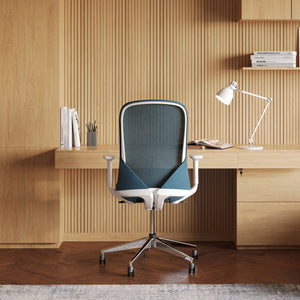
Tools like an ergonomic arm and a supportive office chair help maintain comfort whether sitting or standing.
Studies on workstation setup consistently show that posture variety matters more than posture perfection. Changing positions throughout the day improves comfort, circulation, and focus.
Guides like this ergonomic workstation setup emphasize adaptability rather than rigid rules. The takeaway is simple. Furniture should respond to your needs as they change, not lock you into one position.
Your body gives subtle warnings long before pain shows up. Ignoring these signals often leads to end-of-day exhaustion that feels unexplained. Learning to recognize early fatigue cues helps you switch between sitting and standing at the right time instead of pushing through discomfort.
These signals are not signs of weakness. They are indicators that your posture needs variation.
Tight shoulders often signal it is time to stand
Lower back pressure suggests prolonged sitting
Restlessness usually means the body wants movement
Heavy legs can indicate standing too long without support
Responding to these cues builds a work rhythm that feels natural rather than forced.
Designing a Flexible Workday, Not a Fixed Setup
Many home offices fail because they are designed for one posture only. Real workdays are unpredictable. Meetings, creative work, and focused tasks all place different demands on the body.
A flexible setup supports transitions instead of resisting them. The goal is not perfection but adaptability.
Arrange furniture so transitions take seconds, not minutes
Leave clear floor space for posture changes
Avoid locking accessories into one position
Think of your workspace as adjustable, not static
When furniture supports flexibility, your workday flows more smoothly and fatigue becomes easier to manage.
Instead of committing to sitting or standing, aim for balance. Furniture should support your body during focus, movement, and rest.
Use this checklist to evaluate your workspace:
Can you change positions without disruption
Does your setup support neutral posture
Are your most common tasks comfortable
Does the space encourage movement
Does the furniture fit your room realistically
When furniture adapts to how you work, productivity becomes easier and discomfort fades quietly into the background.


You have unlocked free shipping!
You're saving $29 and unlocked free shipping!
Leave a comment