



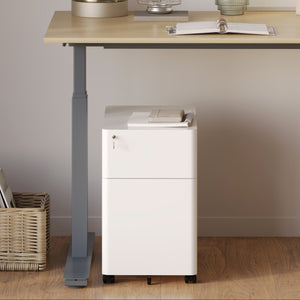



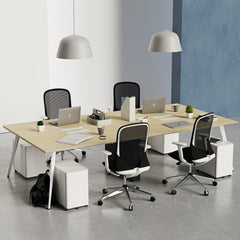
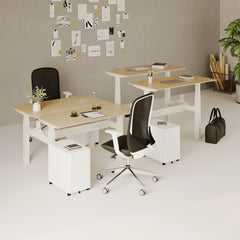
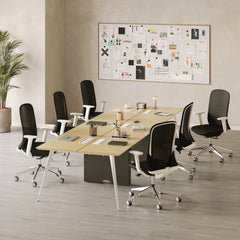


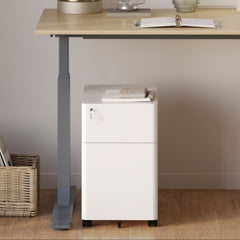


Filing Cabinet Choices for Cleaner Workstation Planning
Cleaner workstation planning starts with filing storage that matches the desk, document volume, security needs, and daily workflow. Explore how cab...
Learn more
Visit quiz page to see how we makes it easy to create an inspiring workplace


Many people blame distractions on technology, social media, or noise. While those factors certainly play a role, the physical workspace often contributes more than we realize. A crowded desk, uncomfortable chair, or poorly arranged furniture can quietly interrupt concentration all day long.
A distraction-free workspace does not happen by accident. It is the result of thoughtful design choices that reduce visual clutter, support posture, and keep essential tools organized. Furniture acts as the foundation of this environment. When chosen carefully, it helps guide attention toward meaningful work instead of pulling it away.
Creating a focused workspace begins with smart furniture decisions that simplify the environment and make productivity easier to sustain.
Your workspace constantly communicates with your brain. Visual clutter, awkward positioning, and poor posture all create small interruptions that break concentration.
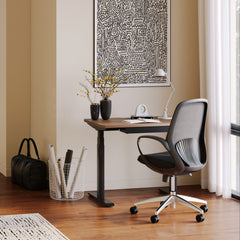
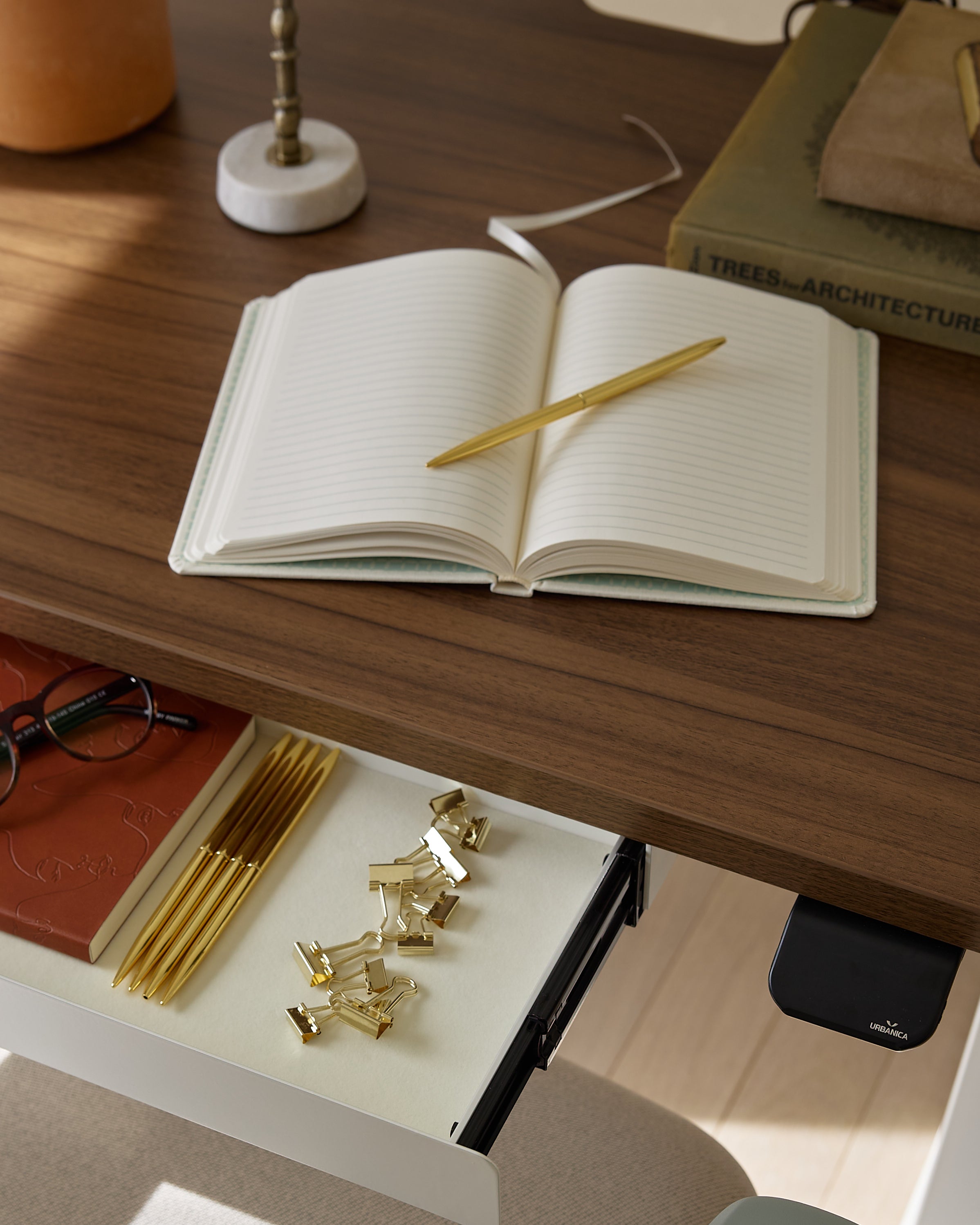
Choosing a well-designed Office Table California setup provides a structured place for work activities. A stable desk surface with proper depth helps organize monitors, notebooks, and tools so that everything remains accessible without overcrowding the workspace.
When furniture supports organization, distractions decrease because the brain spends less energy processing unnecessary stimuli.
Key benefits of an organized workspace include:
Faster task transitions
Reduced mental fatigue
Improved posture
Sustained attention
Furniture becomes the framework for focus.
Sitting in one position for long periods reduces circulation and often leads to restlessness. When discomfort builds, concentration fades.
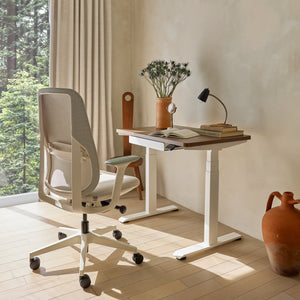
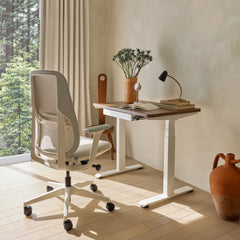
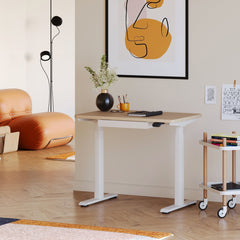
An adjustable standing desk allows you to alternate between sitting and standing throughout the day.
Benefits include:
Improved blood flow
Reduced back strain
Increased alertness
Standing for short periods during meetings, brainstorming sessions, or reading tasks can provide a mental reset. Movement keeps energy levels stable and prevents fatigue from accumulating.
A workspace that encourages motion keeps attention sharper.
The human brain processes everything within its field of vision. Too many objects compete for attention and increase cognitive load.
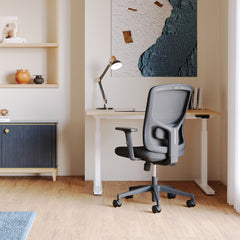
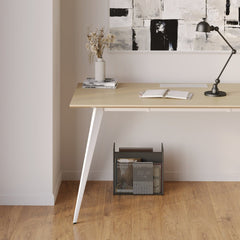
A streamlined office desk with proper depth allows you to position equipment comfortably without crowding the workspace.
Helpful layout practices include:
Keeping only essential tools on the desk
Storing unused items elsewhere
Maintaining clear writing space
Symmetry and spacing create visual order. When the desk surface feels balanced, the mind experiences less stress and can focus more easily.
Visual simplicity supports mental clarity.
Durability and stability influence focus more than many people expect. Furniture that wobbles, shifts, or feels unstable introduces subtle frustration during work sessions.
According to insights on quality furniture, well-built pieces offer long-term reliability and consistent performance. Reliable furniture removes uncertainty and allows you to focus entirely on your work.
Quality construction contributes to:
Stability during typing or writing
Longer product lifespan
Consistent user experience
Dependable furniture reduces interruptions.
Improper screen height causes neck strain and forces constant adjustments.
An adjustable monitor arm helps position screens at the correct height while freeing desk space.
Advantages include:
Reduced neck strain
Improved posture
Cleaner workspace layout
Your primary monitor should sit directly in front of you. Off-center screens require repeated head rotation, which gradually causes fatigue.
Clear sightlines help maintain concentration.
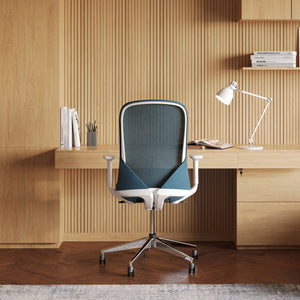
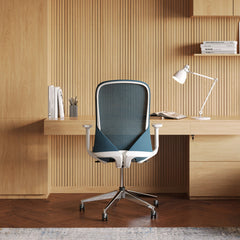
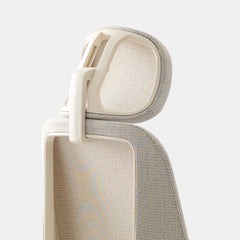
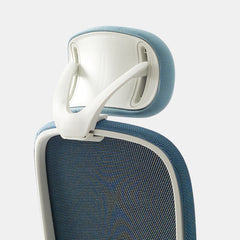
Comfortable seating plays a critical role in eliminating distractions caused by discomfort. A supportive ergonomic office chair helps maintain proper spine alignment during extended work sessions.
When seating supports posture:
Muscle strain decreases
Energy remains stable
Focus lasts longer
The body should not compete with the mind for attention.
|
Workspace Issue |
Resulting Distraction |
Solution |
|
Crowded desk |
Visual overload |
Simplify layout |
|
Poor monitor height |
Neck discomfort |
Raise screen |
|
Unstable desk |
Frustration during typing |
Use sturdy desk |
|
Static seating |
Physical fatigue |
Encourage movement |
|
Misaligned lighting |
Eye strain |
Adjust light sources |
Identifying these distractions allows you to correct them through smarter furniture choices.
Minimalism helps eliminate visual distractions.
Too many decorative objects can interrupt concentration.
Helpful practices include:
Keeping walls simple
Maintaining clean surfaces
Organizing cables and accessories
A workspace with open movement paths reduces stress and allows you to move freely without clutter.
A calm environment encourages focused thinking.
Over time, the impact of a well-designed workspace becomes significant. Reduced distractions lead to better work quality and higher productivity.
Long-term advantages include:
Improved posture health
Reduced mental fatigue
Faster task completion
Higher work satisfaction
The environment quietly shapes daily habits.
Thoughtful furniture choices make focus easier to maintain.
Furniture placement affects how easily your attention stays on your work. If your desk faces a busy hallway or doorway, your eyes naturally follow every movement. Even small visual interruptions can break concentration.
Placing your desk in a position with minimal foot traffic allows you to stay immersed in tasks for longer periods. Ideally, your workstation should face a calm wall or a window with controlled lighting rather than an active area of the room.
Constantly standing up to grab items interrupts workflow. A well-organized layout keeps frequently used tools nearby.
Helpful adjustments include:
Positioning notebooks and accessories on the dominant side
Keeping cables organized to avoid clutter
Maintaining open space for active work
If you work from home, avoid mixing your work desk with relaxation spaces like couches or beds. Clear separation helps your brain associate the desk area with productivity.
Defined zones make it easier to enter and maintain focus.
Before starting your next workday, review this checklist to ensure your workspace supports concentration.
Choose a stable desk with adequate space
Keep monitors at eye level
Maintain organized desk surfaces
Use ergonomic seating
Alternate between sitting and standing
Keep frequently used tools within reach
Reduce decorative clutter
Position lighting to minimize glare
Maintain clear walking space
Reevaluate workspace layout regularly
A distraction-free workspace does not require complicated changes. It begins with furniture that supports organization, comfort, and clarity.
When the environment encourages focus, productivity becomes more natural and less exhausting.


You have unlocked free shipping!
You're saving $29 and unlocked free shipping!
Leave a comment