




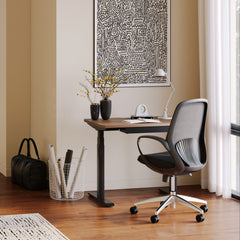
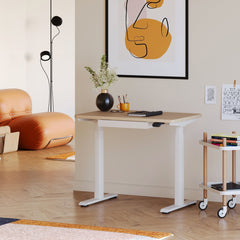


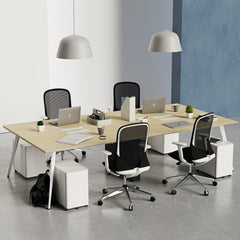
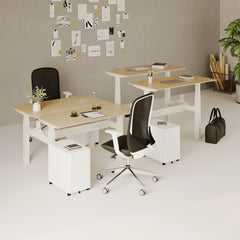
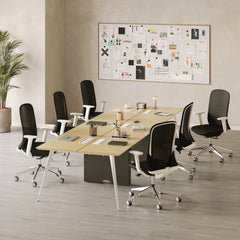


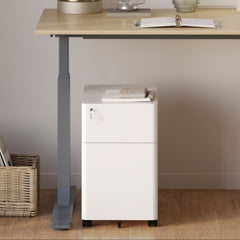


Filing Cabinet Choices for Cleaner Workstation Planning
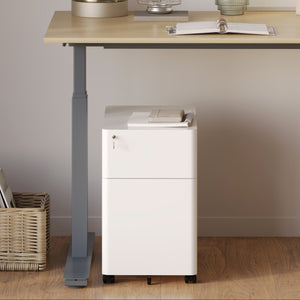
Cleaner workstation planning starts with filing storage that matches the desk, document volume, security needs, and daily workflow. Explore how cab...
Learn more
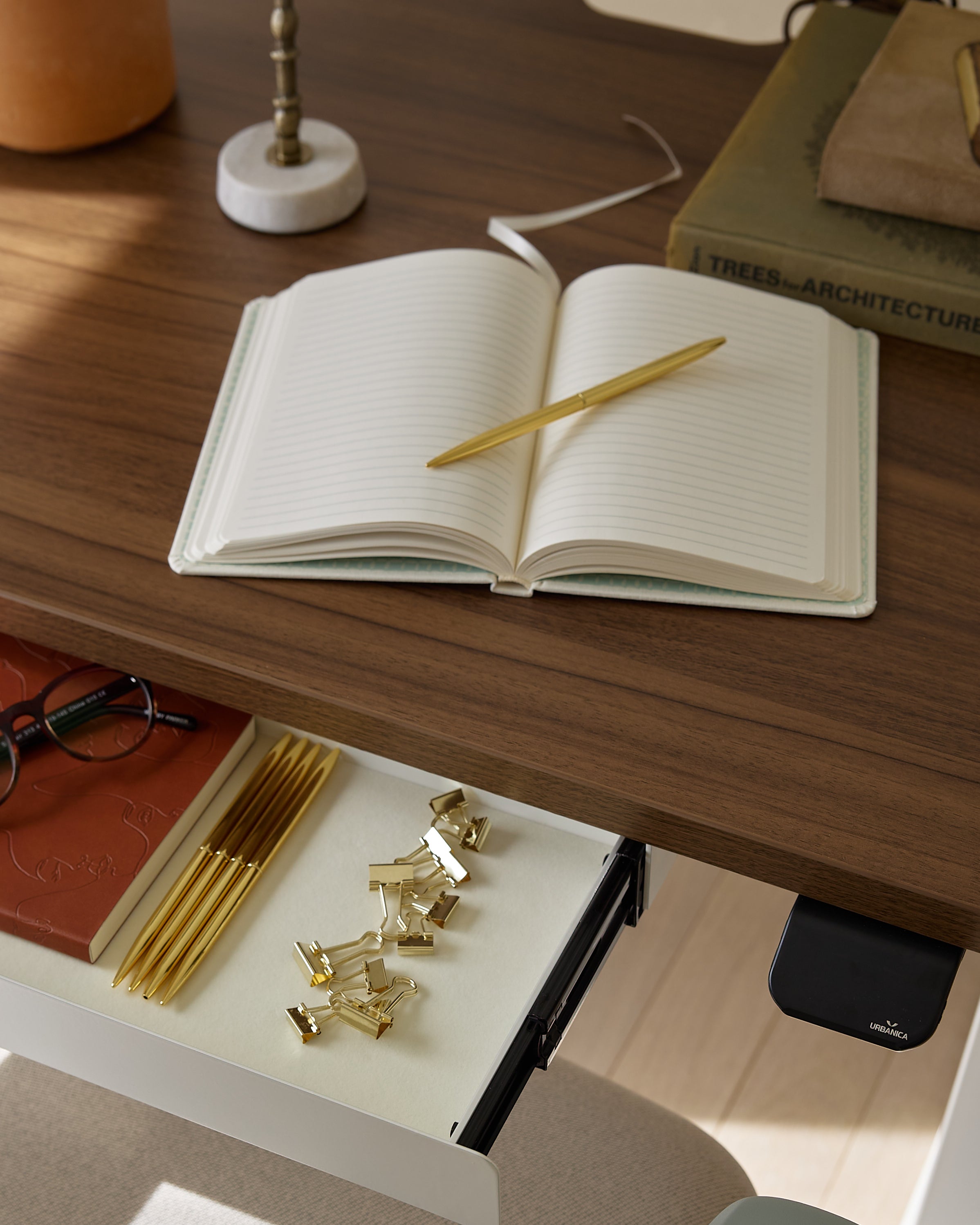
Visit quiz page to see how we makes it easy to create an inspiring workplace


When people think about workplace culture, they often imagine company values, leadership style, or team communication. While those factors are important, the physical workspace also plays a powerful role in shaping how employees feel and perform each day.
Office furniture silently communicates expectations. A well designed workspace suggests organization, professionalism, and care for employee comfort. On the other hand, poorly arranged furniture or uncomfortable workstations can signal the opposite.
Desks, seating, and workspace tools influence how people collaborate, concentrate, and interact throughout the workday. When companies invest in thoughtful office design, they create an environment where employees feel supported and motivated.
Furniture may appear to be a simple operational decision, but it often becomes the foundation of workplace culture.
The design of a workspace sends subtle signals about how work should happen. Open layouts encourage communication while organized individual workstations support deep focus. The furniture used within these spaces helps define those experiences.
Employees naturally adapt their behavior based on the environment around them. When workstations feel comfortable and organized, people tend to stay focused and productive for longer periods.
Research from resources like this guide on office ergonomics highlights how proper workstation design improves posture, comfort, and overall workplace well-being.
Comfort and functionality are not luxuries in a workplace. They are essential tools that influence how employees interact with their tasks and with one another.
An office that prioritizes ergonomic design and thoughtful furniture layout sends a clear message that employee well-being matters.
For most employees, the desk is where the majority of the workday happens. It is the place where projects begin, meetings are held, and tasks are completed.
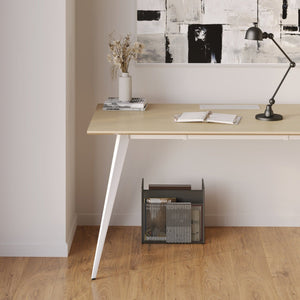
A functional office desk provides stability, organization, and enough workspace for daily tools.
A poorly designed desk setup can quickly lead to clutter, discomfort, and inefficiency. Over time these frustrations affect both morale and productivity.
Benefits of a thoughtfully designed desk include:
• Organized work surfaces
• Adequate space for monitors and documents
• Durable materials for daily use
• A balanced design that fits the office layout
When employees have a reliable workstation, they can focus on their responsibilities without constantly adjusting their setup.
A structured desk environment helps build consistent work habits that support the overall culture of productivity within the organization.
Traditional workplaces often required employees to sit for long hours without movement. Today many companies encourage more flexibility within the workday.
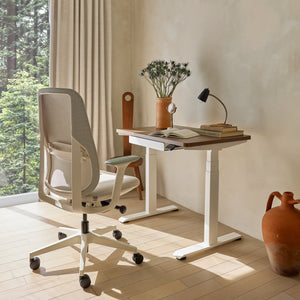
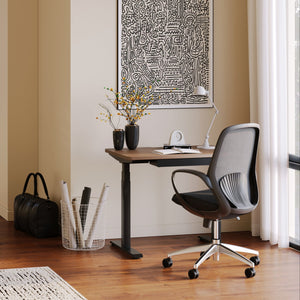
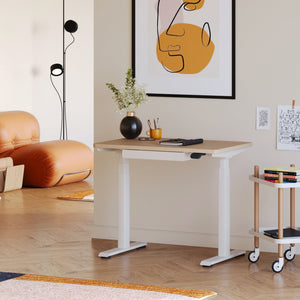
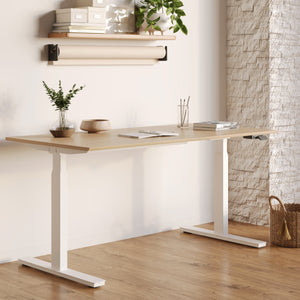
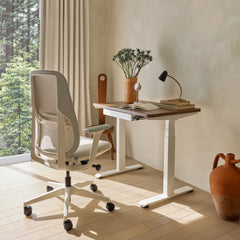
A height adjustable standing desk allows employees to alternate between sitting and standing.
Encouraging movement within the office can improve both physical comfort and mental focus.
Advantages of adjustable desks include:
• Improved circulation during long work sessions
• Reduced lower back strain
• Increased energy throughout the day
• Greater flexibility for different tasks
When a workplace supports movement and physical comfort, employees often feel more valued. This attention to well-being contributes to a culture that prioritizes health and productivity.
A flexible workspace signals that the company cares about how employees experience their workday.
While desks form the structure of the workspace, seating determines how comfortably employees can remain focused.
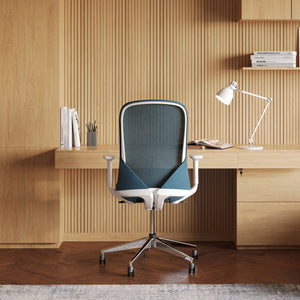
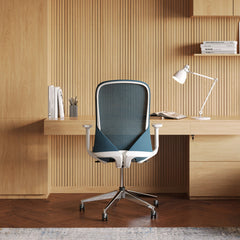
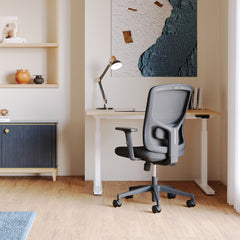
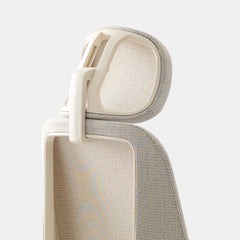
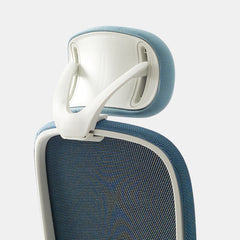
A supportive ergonomic chair helps maintain healthy posture and reduces strain during long work sessions. Proper lumbar support encourages spinal alignment and minimizes discomfort.
When employees feel physically comfortable, they are less distracted by aches or fatigue. This comfort allows them to stay engaged with their work and collaborate more effectively with colleagues.
Investing in ergonomic seating also demonstrates that employee well-being is a priority rather than an afterthought.
Even small workspace tools can influence how employees interact with their environment. Accessories help refine workstation layouts and improve efficiency.
An adjustable monitor arm allows employees to position their screens at eye level while freeing up desk space.
Improper monitor height can lead to neck strain and poor posture. Adjustable monitor arms allow employees to customize their viewing angle.
Benefits include:
• Reduced neck and shoulder tension
• Greater flexibility in screen positioning
• Improved desk organization
• More space for collaboration tools
Organized workstations contribute to a professional atmosphere. When desks remain tidy and functional, employees can focus on their tasks without unnecessary distractions.
This sense of order helps reinforce a culture of efficiency and professionalism.
Furniture choices also influence how an office feels visually. The style, materials, and arrangement of desks and seating contribute to the overall identity of the workspace.
Modern offices often emphasize clean lines, neutral colors, and practical layouts. These design choices create an environment that feels calm and organized rather than chaotic.
Companies looking for thoughtful Office Furniture Los Angeles solutions often prioritize both functionality and visual balance. A workspace that looks professional encourages employees to maintain that standard throughout their work.
When the office environment reflects quality and organization, it strengthens the overall workplace culture.
|
Workspace Element |
Weak Workplace Culture |
Strong Workplace Culture |
|
Desk Setup |
Crowded or temporary desks |
Structured individual workstations |
|
Seating |
Basic chairs with little support |
Ergonomic seating for comfort |
|
Monitor Placement |
Fixed positions |
Adjustable screen positioning |
|
Movement |
Sitting all day |
Flexible workstations |
|
Workspace Organization |
Cluttered surfaces |
Clean and organized layouts |
A thoughtful workspace supports both productivity and collaboration.
Employee comfort should be a central focus of office design. Furniture that supports posture and movement helps people remain engaged during long workdays.
A well balanced workspace includes:
• Supportive seating
• Functional desks
• Proper monitor positioning
• Organized workstation layouts
Office layouts influence how easily employees interact. Desks positioned thoughtfully within the workspace encourage communication without sacrificing focus.
Ways to encourage collaboration include:
• Grouping desks by teams
• Providing open discussion areas
• Allowing flexible workstations
• Maintaining clear pathways through the office
A clutter free office environment improves concentration and professionalism.
Strategies for maintaining organization include:
• Limiting unnecessary desk items
• Using accessories that manage cables and monitors
• Encouraging clean workstation habits
• Designing layouts that reduce congestion
These practices help reinforce a productive workplace culture.
Office furniture choices can have lasting effects on employee satisfaction and productivity. When companies invest in quality workstations, they demonstrate commitment to the people who use them every day.
Comfortable furniture supports better posture, fewer physical complaints, and stronger focus during long tasks. Over time this contributes to healthier work habits and higher morale.
A workspace that feels organized and supportive encourages employees to perform their best. It also helps create a culture where people feel valued and motivated.
Furniture may not speak, but it quietly communicates the priorities of the organization.
A positive workplace culture often begins with simple decisions about how the office environment supports employees.
Use this checklist when evaluating your office setup.
• Do workstations provide enough space for daily tasks?
• Are desks positioned to support both focus and collaboration?
• Do chairs provide ergonomic support for long work sessions?
• Are monitors positioned at eye level to reduce strain?
• Does the workspace feel organized and professional?
When these elements are in place, the office becomes more than a place to work. It becomes an environment that encourages productivity, collaboration, and well-being.
Furniture may appear to be a practical necessity, but it also shapes the daily experiences of everyone in the workplace. A thoughtful workspace design helps build a culture where people feel comfortable, motivated, and ready to contribute their best work.


You have unlocked free shipping!
You're saving $29 and unlocked free shipping!
Leave a comment