






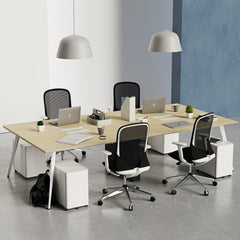
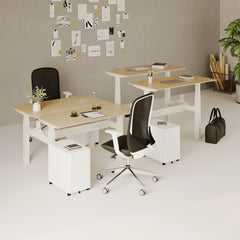
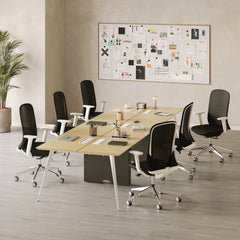


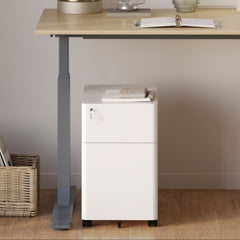


Filing Cabinet Choices for Cleaner Workstation Planning
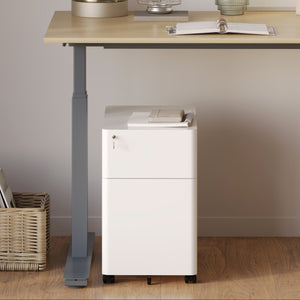
Cleaner workstation planning starts with filing storage that matches the desk, document volume, security needs, and daily workflow. Explore how cab...
Learn more
Visit quiz page to see how we makes it easy to create an inspiring workplace


Modern homes rarely separate work and rest completely. The same room may host morning meetings, afternoon study sessions, and quiet evenings with a book. Because of this, furniture must support two essential needs that often feel opposite: productivity and relaxation.
When your desk feels structured and your chair feels supportive, work becomes efficient. When your layout feels open and comfortable, relaxation comes naturally. The key is selecting adaptable furniture that transitions seamlessly between focused effort and personal downtime.
A thoughtful setup allows you to shift mental gears without rearranging the entire room.
Many people struggle with blurred boundaries between work and personal life. Furniture plays a subtle yet powerful role in defining those boundaries.
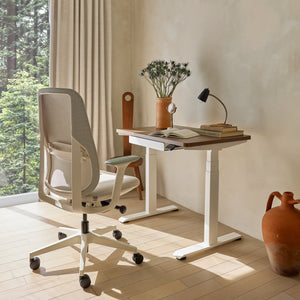
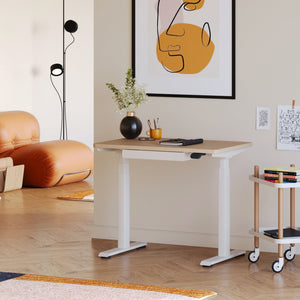
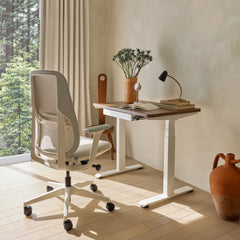
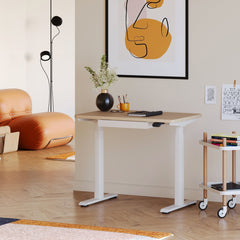
Incorporating flexible solutions such as a Mini Standing Desk California allows you to create a compact productivity zone without overwhelming your living area. A smaller footprint ensures your workspace remains intentional rather than intrusive.
When furniture supports balance:
Productivity feels structured
Relaxation feels guilt-free
The room serves multiple purposes
Transitions between tasks feel smoother
Designing for both work and rest prevents your home from feeling like an office or, conversely, your office from feeling too casual.
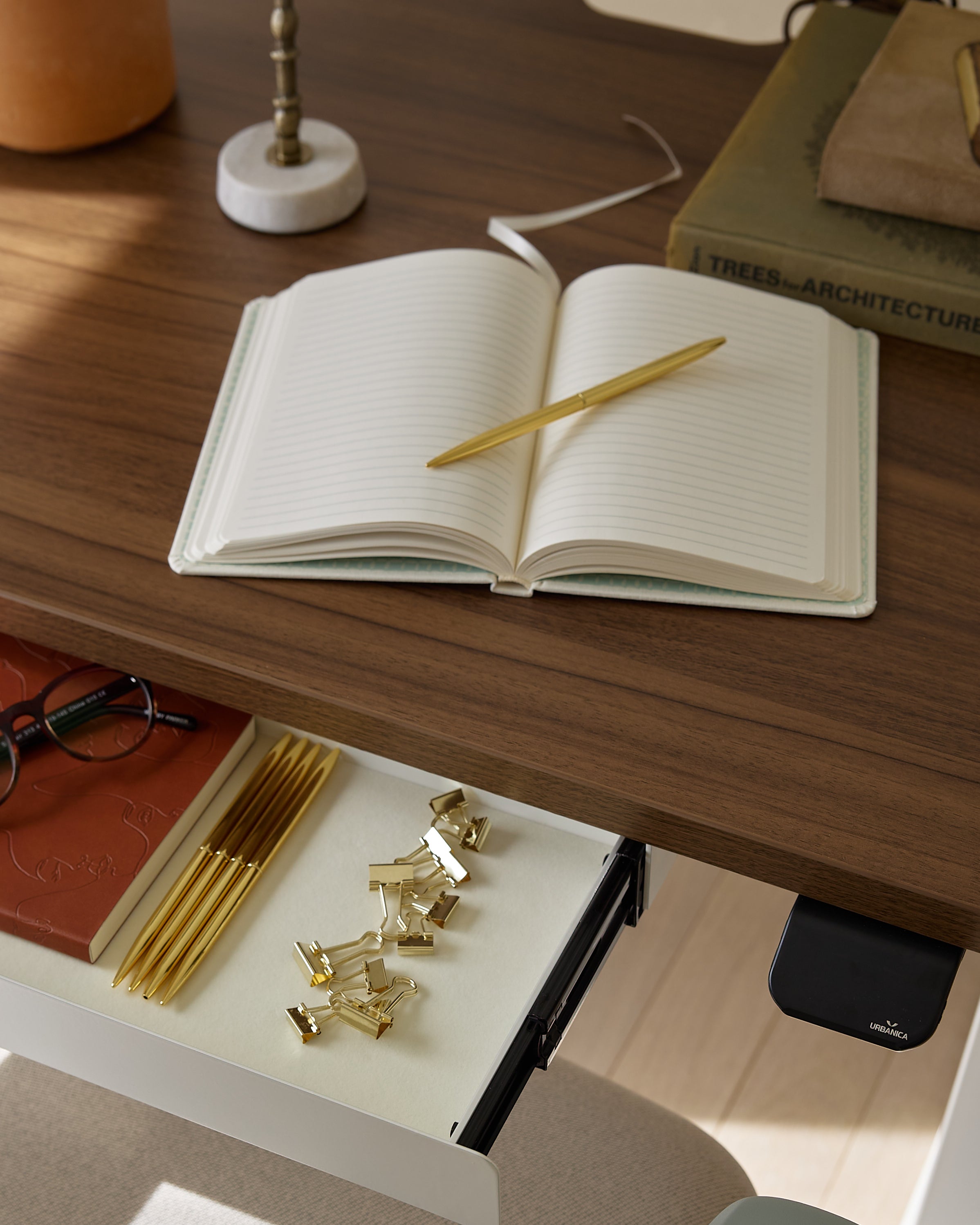
A stable, well-designed desk creates the foundation for productivity.
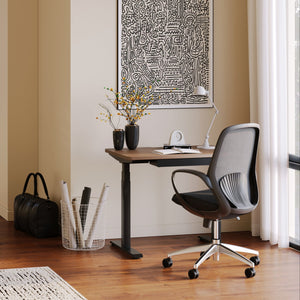
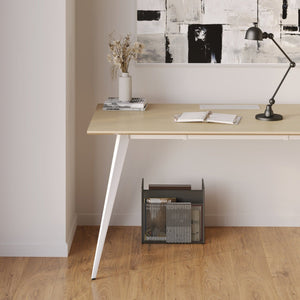
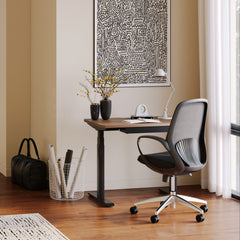
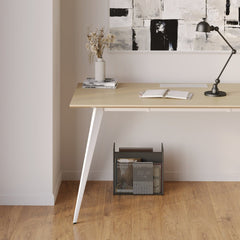
A thoughtfully built office desk establishes structure within a shared space.
Clean and uncluttered surface
Stable frame construction
Adequate space for essential tools
Durable finish that withstands daily use
Keep only current projects visible
Store personal items after work hours
Maintain proper lighting
Position the desk away from distractions
A structured desk signals to your mind that it is time to focus.
Physical movement helps transition between mental states.
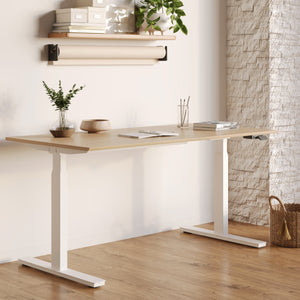
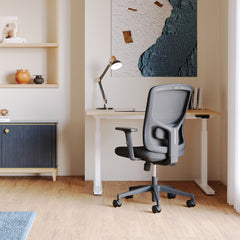
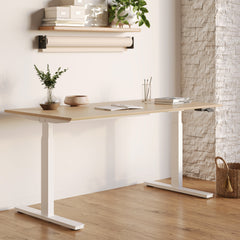
An adaptable standing desk allows you to alternate between sitting and standing throughout the day.
Increased circulation
Improved alertness
Reduced stiffness
Greater engagement during meetings
Gentle posture shifts prevent tension
Smooth transitions signal task completion
Movement reduces accumulated stress
Flexibility prevents burnout
Adjustable furniture makes it easier to switch from focused work to relaxed downtime without leaving your space.
Interior design influences both efficiency and emotional well-being. Research such as this productivity design study shows how workspace organization and layout directly affect performance.
When your furniture arrangement promotes clarity, your brain processes tasks more effectively. When your space feels visually balanced, stress decreases. Thoughtful design supports both ambition and rest.
Furniture is not just functional. It shapes how you feel throughout the day.
Comfort is essential for both work and relaxation.
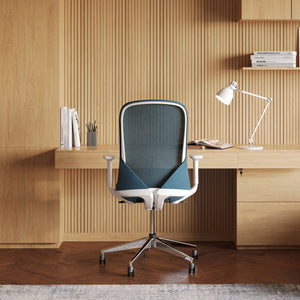
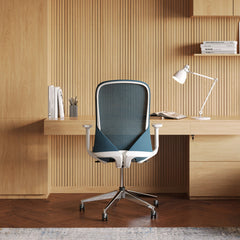
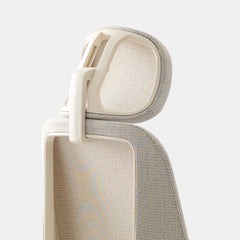
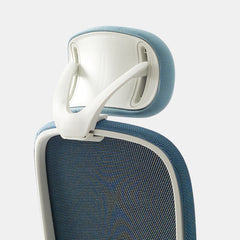
A supportive ergonomic chair provides adjustable alignment for long periods of sitting.
Maintains proper posture
Reduces back strain
Encourages concentration
Supports extended focus
Allows comfortable reading
Supports casual browsing
Maintains body alignment
Reduces fatigue
One well-designed chair can serve multiple purposes throughout the day.
Technology often disrupts visual calm. Proper integration keeps your space balanced.
An adjustable ergonomic arm elevates monitors and clears desk space. This creates a cleaner look that supports both professional video calls and relaxed browsing.
Benefits include:
Improved viewing angles
Less surface clutter
Easier transitions between tasks
Better cable organization
When technology is integrated neatly, your space feels intentional rather than chaotic.
|
Furniture Element |
Productivity Impact |
Relaxation Impact |
|
Structured Desk |
Encourages focus |
Maintains organization |
|
Adjustable Desk |
Promotes movement |
Reduces physical strain |
|
Ergonomic Chair |
Supports posture |
Provides comfort |
|
Monitor Arm |
Clears surface |
Simplifies layout |
|
Compact Layout |
Minimizes distractions |
Creates openness |
The same furniture can support both modes when selected thoughtfully.
Designing for both relaxation and productivity requires intentional zoning.
Even in one room, you can create subtle boundaries.
Position desk toward a wall or calm view
Keep lighting bright and task-oriented
Maintain minimal decoration
Organize tools neatly
Add softer lighting nearby
Keep seating comfortable
Reduce visual clutter
Incorporate calming textures
These distinctions allow your brain to shift modes more easily.
Furniture influences emotional transitions. A rigid setup may make it difficult to disconnect after work. A cluttered desk may increase stress before you begin.
When your furniture supports both clarity and comfort, transitions become natural. After finishing a task, lowering your desk height or clearing your surface can signal closure. Small physical adjustments help create psychological boundaries.
Designing for balance improves not only productivity but also overall well-being.
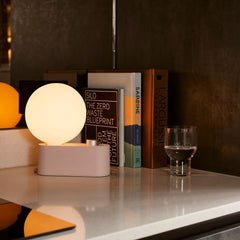
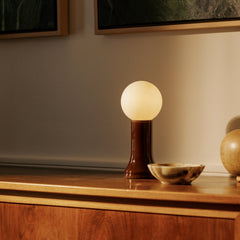
Furniture does not function alone. The surrounding atmosphere determines whether your space feels energizing or calming. Lighting and texture work alongside your desk and chair to shape how productive or relaxed you feel.
Lighting influences both alertness and restfulness. Bright, focused lighting supports productivity, while softer tones encourage relaxation.
Position task lighting directly over your desk
Avoid glare on your monitor
Use neutral white light during work hours
Keep shadows minimal
These choices help maintain concentration and reduce eye strain.
Switch to warmer tones in the evening
Use indirect lighting for softer ambiance
Reduce brightness after work hours
Incorporate layered lighting for comfort
Changing light levels can signal the end of work without physically leaving the room.
Furniture placement should complement lighting. When your desk and seating align with natural and artificial light sources, the entire space feels intentional. Texture also plays a role. Smooth surfaces promote clarity and efficiency, while softer materials add warmth and ease.
By balancing structure with comfort through lighting and materials, you create a space that supports productivity during the day and relaxation at night.
Furniture should support your ambition without sacrificing your peace.
Use this checklist to create a balanced environment:
Choose compact yet versatile desks
Integrate height-adjustable solutions
Maintain organized surfaces
Invest in supportive seating
Elevate monitors for clarity
Separate work and relaxation zones
Keep lighting adaptable
Clear your desk at the end of each day
Reevaluate layout as routines evolve
Prioritize comfort alongside performance
When your furniture supports both effort and ease, your home becomes a place where you can accomplish goals and recharge fully. The right pieces create a seamless blend of productivity and relaxation, helping you move confidently through every part of your day.


You have unlocked free shipping!
You're saving $29 and unlocked free shipping!
Leave a comment