























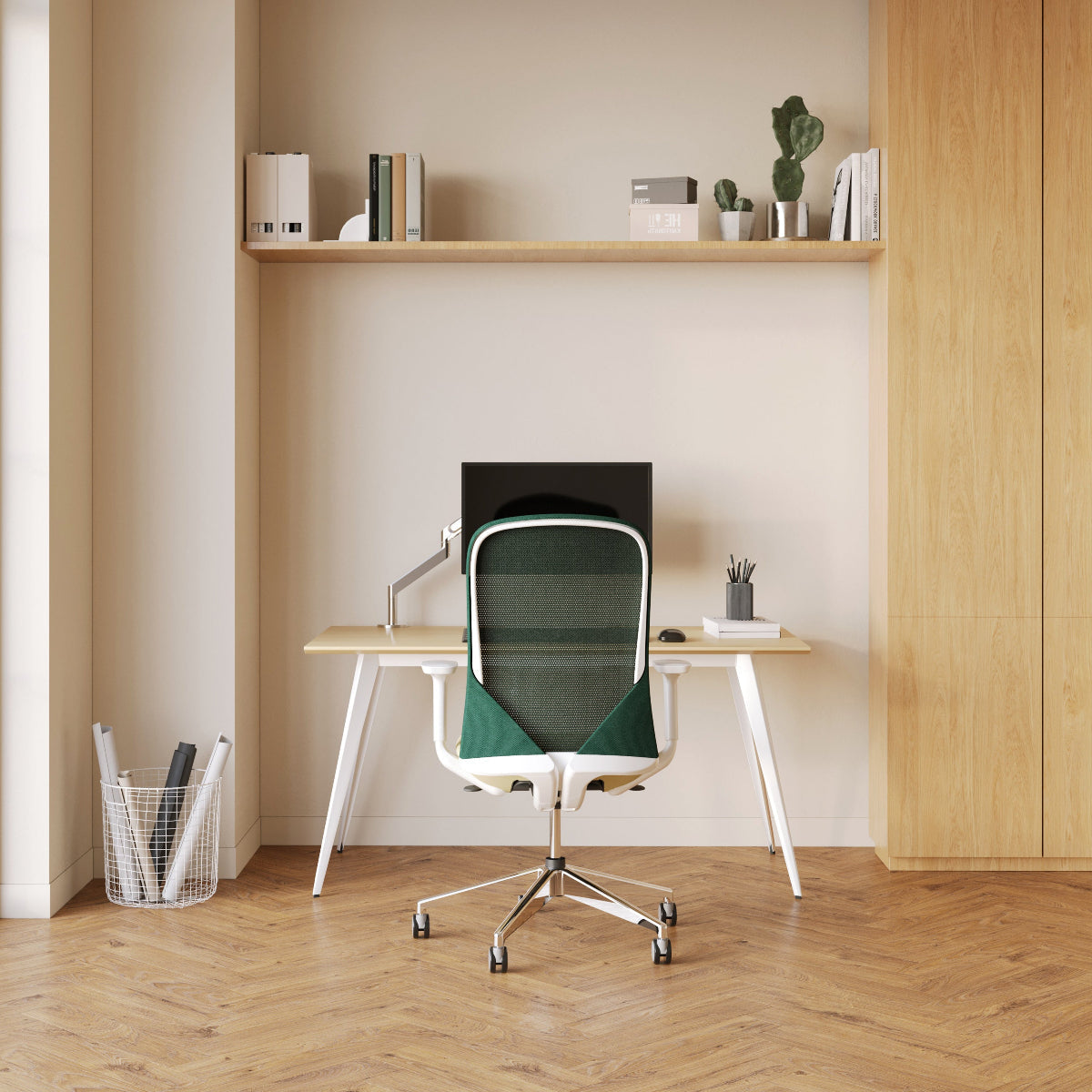
Furniture Measuring Guide for a Perfect Fit

The Complete Room-by-Room Measurement Guide
Buying furniture without measuring your space is one of the most common and costly mistakes homeowners and professionals make. A piece may look beautiful online or in a showroom, but once delivered, it can overwhelm the room, block walkways, or feel awkward in daily use. Measuring before you buy prevents returns, wasted money, and uncomfortable layouts.
This comprehensive room-by-room guide explains how to measure correctly so every office desk, chair, storage unit, and accessory fits naturally into your space and supports your routine.
Why Measuring Your Space Changes Everything
Measuring is not just about length and width. It is about understanding how furniture interacts with movement, lighting, posture, and workflow. A desk might technically fit against a wall, but if it blocks a walkway or crowds your seating area, the room will feel tight and frustrating.
When you measure properly, you are not just buying furniture. You are designing how your room will function every single day.
Measuring Helps You Plan for Real Life
Furniture Must Fit Movement, Not Just the Floor
A room can look spacious on paper but feel cramped once furniture is installed. The difference is movement. You need space to:
-
Pull out a chair comfortably
-
Walk behind a desk
-
Open drawers fully
-
Access shelves
-
Stand up without hitting a wall
Measuring ensures your furniture supports natural movement instead of restricting it.
Small Inches Can Create Big Problems
Even two or three inches can change how comfortable a room feels. A desk that extends slightly too far may block a path. A rolling chair might hit a cabinet. A storage unit could prevent a door from opening fully. Precision protects comfort.
Measuring Saves Time, Money, and Stress
Fewer Returns and Replacements
When furniture does not fit, it often leads to return shipping fees, restocking costs, or purchasing a second option. Measuring carefully allows you to buy correctly the first time.
Better Layouts Are Easier to Maintain
A well-measured layout does more than look good. It:
-
Makes cleaning easier
-
Reduces clutter buildup
-
Improves productivity
-
Creates a calmer atmosphere
When furniture fits properly, you stop constantly adjusting and rearranging to make things work.
Tools and Basics You Should Prepare
Before you begin measuring, gather a few simple tools. Accurate numbers make all the difference.
What You Need
-
Measuring tape
-
Notebook or phone notes
-
Masking tape
-
Pencil or marker
-
A simple room sketch
Why Accuracy Matters
A desk that is slightly too deep can reduce leg space. A chair that is slightly too wide can block a drawer. Even small miscalculations can affect posture, movement, and daily comfort.
Measure once and measure carefully.
Create a Simple Room Sketch
You do not need a professional floor plan. A quick hand-drawn layout works perfectly.
What to Include in Your Sketch
-
Room shape and dimensions
-
Doors and door swing direction
-
Windows
-
Closets
-
Outlets
-
Built-in shelving
-
Radiators or baseboards
These elements affect where furniture can realistically go.
Measuring Floor Space the Right Way
Room size does not equal usable space. Doors, windows, vents, and pathways reduce the area available for furniture.
Understand the Usable Space Concept
Usable space is where furniture can exist without blocking movement or functionality. A corner may appear empty but might be unusable due to a swinging door. A wall might look open but contain an outlet you need access to.
Always measure with functionality in mind.
Watch for Hidden Space Blockers
-
Baseboard heaters
-
Floor vents
-
Uneven walls
-
Window ledges
-
Built-in cabinetry
Ignoring these details can cause layout issues later.
Planning for Movement and Flow
Leave Comfortable Walking Space
You should be able to move naturally without squeezing between furniture. Tight walkways lead to frustration and clutter accumulation.
Allow Space for Chair Slide and Standing Room
Desks and chairs require clearance behind them. You need room to:
-
Roll your chair back
-
Stand up fully
-
Stretch or reposition
A cramped layout makes even high-quality furniture feel uncomfortable.
Measuring for the Right Desk Setup
An office desk setup often becomes the focal point of a workspace. Placement directly affects comfort, workflow, and posture.
Measure the Desk Zone, Not Just the Desk
It is not enough to measure the desk footprint. You must also measure:
-
Space behind the chair
-
Arm movement clearance
-
Side access space
-
Walking clearance
A desk might fit wall-to-wall, but if you cannot comfortably pull out your chair, the layout will feel restrictive.
Plan for Outlet and Cable Access
Before placing your desk:
-
Mark outlet locations
-
Check cable routes
-
Avoid blocking power sources
Running cords across walkways creates clutter and safety concerns.
Standing Desk Clearance Requires Extra Thought
A standing desk changes how you use space throughout the day.
Height Adjustment Changes Movement
When standing, you naturally:
-
Shift weight
-
Step backward
-
Adjust posture
-
Move your arms differently
Ensure the surrounding area allows these movements without obstruction.
Keep the Area Behind the Desk Open
Even if the desk sits against a wall, you need at least 36 inches of clearance behind the chair for smooth transitions between sitting and standing.
Choosing Desk Size Based on Function
Desk size should reflect how you work daily.
Match Desk Size to Workflow
Ask yourself:
-
Do you use one monitor or two?
-
Do you work primarily on a laptop?
-
Do you need writing space?
-
Do you require drawer storage?
An oversized desk can dominate a small room. A desk that is too small can lead to clutter.
Avoid the “Barely Fits” Decision
Choosing a desk that barely fits may seem efficient, but it often:
-
Reduces chair mobility
-
Blocks walking paths
-
Makes the room feel crowded
A slightly smaller desk with better clearance often creates a more balanced workspace.
Measuring for Seating Comfort
Seating requires more than floor space. It demands movement clearance and ergonomic compatibility.
Chair Clearance Is About Mobility
You Need Space Behind the Chair
A chair should roll back smoothly without hitting a wall. Limited clearance forces awkward posture and restricts natural movement.
Recommended clearance behind the chair: 36 inches.
Recline and Arm Movement Matter
If your chair reclines, measure additional rear space. Armrests should slide easily under the desk without scraping.
Fit the Chair to the User, Not Just the Room
Seat Height Must Match Desk Height
Your elbows should rest naturally at desk height. If the chair is too low or too high, shoulder tension increases.
Leg Clearance Is Essential
Ensure sufficient space under the desk so your knees are not cramped. Restricted leg space causes fatigue over long sessions.
Clearance and Ergonomic Measurement Guidelines
Area to Measure | Recommended Space | Purpose
Behind chair | 36 inches | Movement
Desk height | Elbow level | Comfort
Monitor distance | Arm’s length | Reduce eye strain
Leg clearance | Open space | Comfort
Arm support | Level with desk | Proper posture
Posture and Body Alignment
Furniture measurements directly affect your physical health.
Why Measurement Impacts Posture
If a desk is too high, your shoulders rise.
If a monitor is too low, your neck bends.
If a chair cannot fit under the desk, your back rounds.
Small measurement errors can lead to daily strain.
A Proper Fit Reduces Fatigue
When furniture aligns correctly:
-
Shoulders stay relaxed
-
Feet remain flat
-
Wrists stay neutral
-
Back receives proper support
For deeper guidance on alignment and healthy positioning, this ergonomic workstation setup resource provides helpful posture reminders for long-term comfort.
Accessories Also Require Planning
Accessories often get overlooked during measurements.
Monitor Arms and Equipment Need Space
A monitor arm requires depth behind the desk. If the desk sits flush against a wall without clearance, installation becomes difficult.
Storage and Add-Ons Affect Layout
Drawer units, filing cabinets, and side shelves change the required footprint. Measure accessory dimensions before finalizing placement.
Measuring Small Rooms Strategically
Small spaces demand smarter planning.
Choose Furniture That Supports Flow
Instead of maximizing surface area, focus on:
-
Open walkways
-
Multi-functional pieces
-
Proper clearance
-
Vertical storage
A well-measured compact room can feel more comfortable than a poorly arranged large one.
Measure Once, Live Better
Furniture should fit your space, your body, and your routine. Measuring first creates intentional design instead of reactive adjustments.
Final Measurement Checklist Before Buying
-
Did you measure width, depth, and height?
-
Did you mark door swings?
-
Did you check outlet placement?
-
Did you allow 36 inches behind the chair?
-
Did you account for accessories?
-
Does the furniture match your work style?
-
Will movement feel natural after installation?
Smart Planning Leads to Long-Term Comfort
When you measure before buying, your furniture supports you instead of working against you. Office Desk California layout will feel balanced. Your ergonomic chair moves freely. Your posture stays aligned. Your room feels intentional rather than crowded.
The payoff is simple: fewer returns, better workflow, improved comfort, and a workspace that truly fits your life.
Taking the time to measure is not extra work. It is the foundation of a room that feels right from day one — and continues to feel right for years to come.
Related Articles
-
 Our Conference Chairs and Meeting Tables Compared, so You Can Furnish a Huddle Room, a Meeting Room, or a Boardroom for Eight in One Order
-
 This Is How To Build A Small Home Office You Actually Want To Work From, And How To Pick Desks For Small Spaces - Urbanica Furniture's Full Guide
-
 Best Setup for Laptop and 2 Monitors With Less Neck Strain
-
 Round Meeting Table Ideas That Make Team Talks Smoother
-
 Better Guest Seating Ideas Around a Round Meeting Table
-
 Hot Desking Furniture Solutions Need More Flexible Seating


