












Filing Cabinet Choices for Cleaner Workstation Planning
Cleaner workstation planning starts with filing storage that matches the desk, document volume, security needs, and daily workflow. Explore how cab...
Learn more
Visit quiz page to see how we makes it easy to create an inspiring workplace


Working from home once felt temporary. Now, for many people, it is part of everyday life. Yet too many home offices are built around convenience instead of long-term comfort and productivity. A dining table becomes a desk. A kitchen chair becomes office seating. Extension cords stretch across the floor. Over time, these compromises affect posture, focus, and overall performance.
Creating a proper WFH setup does not require an entire room renovation. It requires the right essentials. When your workspace is designed thoughtfully, your daily routine becomes smoother, more organized, and more sustainable.
A productive home office begins with structure. The desk, chair, and layout shape how you work throughout the day. Choosing quality options such as Office Furniture California allows you to build a setup that supports real tasks instead of temporary fixes.
WFH essentials are not about aesthetics alone. They are about:
Maintaining healthy posture
Encouraging movement
Reducing visual clutter
Improving energy levels
Creating mental boundaries between work and home life
When your foundation is strong, everything else becomes easier.
Your desk anchors your routine. It determines how organized and focused you feel.
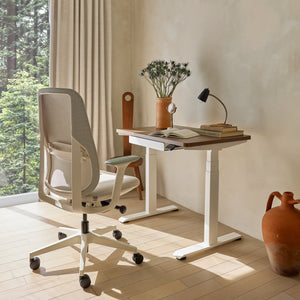
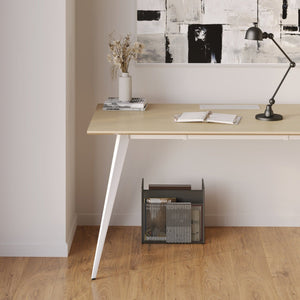
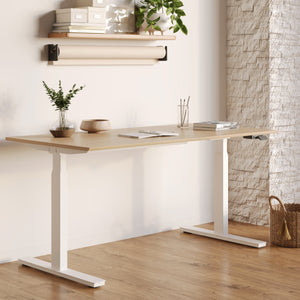
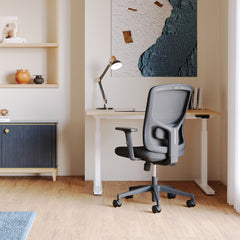
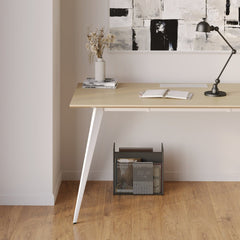
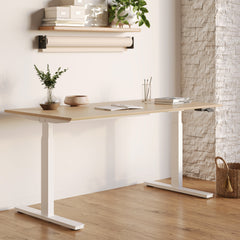
A stable and thoughtfully designed office desk provides the surface area and durability necessary for long hours.
Adequate legroom
Scratch-resistant surface
Solid frame construction
Clean, uncluttered design
Keep frequently used tools within reach
Position near natural light
Avoid overcrowding the surface
Maintain proper monitor alignment
A proper desk transforms your workflow from chaotic to structured.
Sitting for hours affects circulation, energy, and posture.
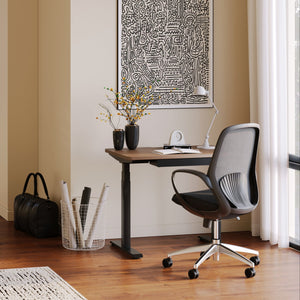
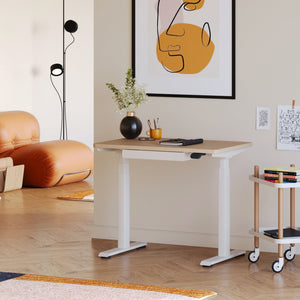
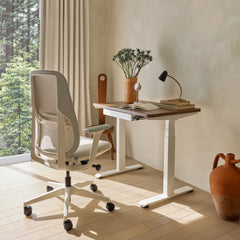
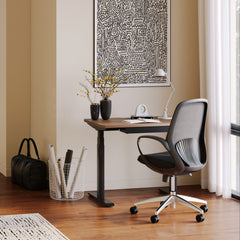
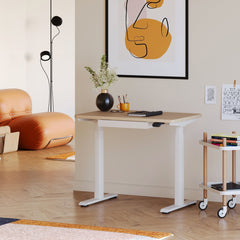
A reliable standing desk allows you to alternate between sitting and standing.
Reduced back tension
Improved alertness
Increased circulation
Greater daily flexibility
Alternate positions every hour
Adjust monitor height properly
Keep cables organized
Transition gradually
Movement prevents fatigue and keeps productivity steady.
Proper setup reduces strain and long-term discomfort. Research such as this ergonomic guideline resource outlines key principles for healthy work-from-home environments.
Ergonomic alignment involves:
Screen at eye level
Elbows at roughly 90 degrees
Feet flat on the floor
Neutral spine posture
Furniture designed for adjustability makes achieving this alignment possible without constant strain.
Comfortable seating is one of the most important WFH essentials.
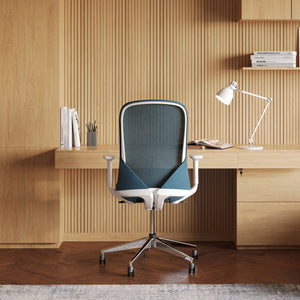
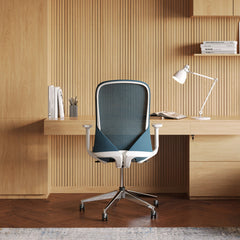
A high-quality ergonomic chair supports your back and adapts to your body.
Lumbar adjustment
Breathable materials
Height flexibility
Stable base
Sit back fully in the chair
Adjust lumbar support
Keep feet grounded
Avoid leaning forward
A supportive chair improves focus by reducing discomfort.
Monitor placement influences posture and desk organization. Using an adjustable ergonomic arm clears surface space and improves alignment.
An additional mounting option like this monitor support solution helps maintain flexibility if you expand your setup.
Elevated monitors create:
Better viewing angles
Less neck strain
More desk space
Cleaner cable organization
Proper monitor placement enhances both comfort and professionalism during video calls.
|
Essential |
Purpose |
Daily Impact |
|
Desk Surface |
Workspace anchor |
Structure and clarity |
|
Adjustable Desk |
Movement support |
Energy and flexibility |
|
Ergonomic Chair |
Posture alignment |
Long-term comfort |
|
Monitor Arm |
Screen elevation |
Reduced strain |
|
Built-in Power Access |
Cable control |
Cleaner setup |
|
Filing Storage |
Document organization |
Reduced clutter |
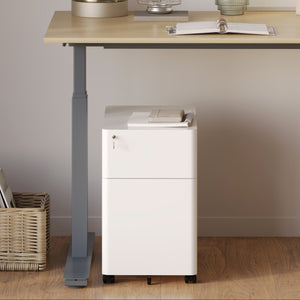
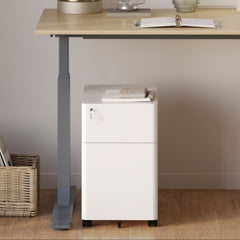
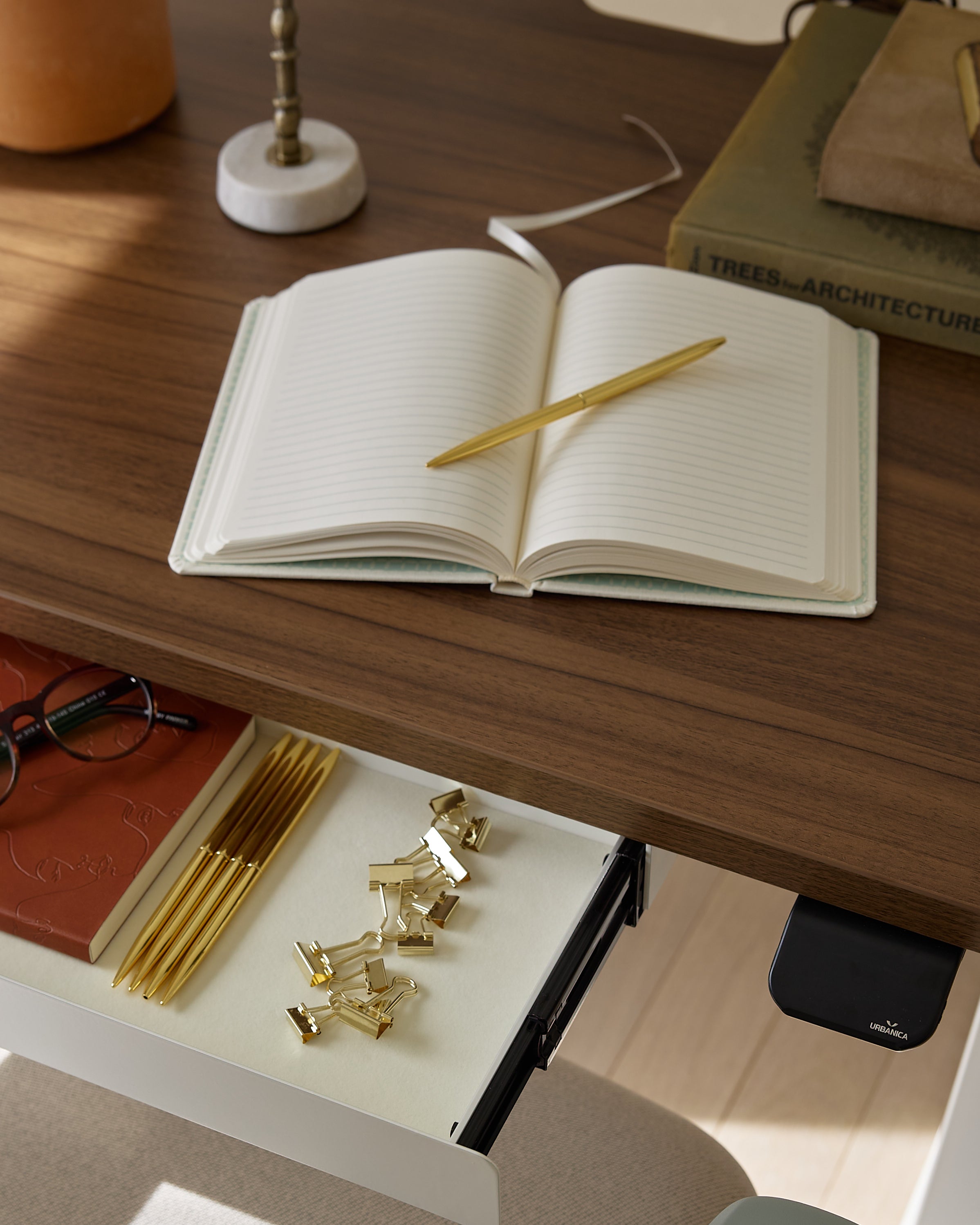
An integrated in-desk power solution keeps cords organized and accessible. A dedicated filing cabinet storage unit ensures paperwork does not overwhelm your surface.
Together, these elements maintain order.
Clutter reduces focus.
Organized storage supports mental clarity.
Use designated drawers for documents
Keep personal items separate from work tools
Avoid stacking papers
Label important files
Integrate built-in outlets
Hide cables under the desk
Avoid floor-level extension cords
Maintain easy access to charging ports
Clean organization creates visual calm.
WFH success also depends on lighting and room placement. Position your desk perpendicular to windows to reduce glare. Use task lighting during evening hours.
Keep the workspace separate from relaxation zones when possible. Even small boundaries help your brain transition between work and home modes.
The environment shapes productivity more than most people realize.
Working from home often means sharing space with family members, roommates, or daily household activity. Without clear boundaries, distractions can easily interrupt productivity.
Even if you do not have a separate room, you can create visual and functional separation within a shared space.
Position your desk facing away from high-traffic areas
Use shelving or storage units to create subtle division
Keep work tools confined to one surface
Avoid spreading materials into shared living areas
Start and end work at consistent times
Clear your desk at the end of the day
Turn off task lighting after hours
Maintain a specific chair and workstation for work only
Clear boundaries reduce stress and help maintain focus during working hours while protecting relaxation time later.
Your work-from-home setup should not feel temporary. Investing in durable, adaptable furniture ensures your space continues to support you as your career evolves.
As responsibilities expand, technology upgrades, and routines shift, your furniture should adapt without needing constant replacement.
Adjustable components
Reinforced frames
Durable finishes
Expandable monitor setups
Leave room for additional screens
Choose desks with flexible configurations
Maintain cable management systems
Invest in supportive seating that lasts
Thinking long term prevents costly replacements and ensures your home office remains functional year after year.
Working from home should feel sustainable, not temporary.
Use this checklist to ensure you have the right essentials:
Stable desk with proper surface space
Adjustable height capability
Supportive ergonomic seating
Elevated monitor positioning
Integrated power access
Organized filing system
Proper lighting
Clear cable management
Comfortable layout
Routine movement breaks
When your home office is designed intentionally, productivity improves and discomfort decreases. Investing in the right essentials supports both short-term focus and long-term well-being. A thoughtful WFH setup helps you work confidently and comfortably every day.


You have unlocked free shipping!
You're saving $29 and unlocked free shipping!
Leave a comment