



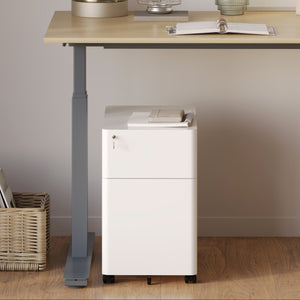






















Filing Cabinet Choices for Cleaner Workstation Planning
Cleaner workstation planning starts with filing storage that matches the desk, document volume, security needs, and daily workflow. Explore how cab...
Learn more
Visit quiz page to see how we makes it easy to create an inspiring workplace


A calming, modern home is not created by accident. It is the result of thoughtful decisions that balance form, function, and feeling. Furniture plays a central role in this balance. The right styles can quiet visual noise, support daily routines, and create a sense of ease that carries through every room.
Modern calm is not about empty spaces or stark minimalism. It is about intentional furniture choices that feel grounded, comfortable, and visually cohesive. From the way a sofa sits in a room to how a workspace flows, furniture style directly influences how calm a home feels to live in.
Décor often gets the spotlight, but furniture sets the foundation. The shapes, proportions, and materials of furniture determine how a space feels long before accessories are added. Calm interiors rely on furniture that feels purposeful rather than decorative.
In modern homes, furniture is expected to do more than fill space. It should support comfort, encourage movement, and visually reduce clutter. A thoughtfully planned home that includes Office Furniture Los Angeles demonstrates how intentional furniture choices can create continuity between work and living spaces without disrupting the calm of the home.
When furniture styles align across rooms, the home feels cohesive and restful rather than busy.
Minimalist furniture styles focus on simplicity, balance, and function. By removing excess visual elements, these styles allow the mind to relax.
Minimalist furniture prioritizes form that follows function, with clean lines and restrained details.
Clean silhouettes reduce visual distraction
Neutral tones promote emotional balance
Open space improves light flow
Functional design eliminates unnecessary clutter
Consistent materials create harmony
Design principles explored in this minimalist design movement show how simplifying interiors directly contributes to a calmer living environment. Minimalist furniture does not feel cold when paired with thoughtful textures and natural light.
Modern furniture is often misunderstood as rigid or sterile. In reality, the most calming modern interiors soften clean lines with subtle curves and tactile materials.
Modern furniture styles work best when structure is balanced with approachability.
Rounded edges on seating and tables
Upholstered finishes instead of hard surfaces
Warm wood tones mixed with metal
Low-profile designs that reduce visual weight
These elements help modern furniture feel inviting while maintaining a clean, contemporary look.
Calming homes are not just about what furniture looks like but how it is arranged. Furniture layouts that support natural movement reduce stress and improve comfort.
Clear walkways, intentional spacing, and functional groupings allow each room to breathe. When furniture is arranged with purpose, the home feels intuitive rather than overwhelming. This is especially important in spaces that serve multiple functions, such as combined living and work areas.

Modern homes often include work areas that need to coexist with living spaces. The key is furniture that supports productivity without disrupting calm.
Adaptable furniture styles support both focus and relaxation.
Adjustable surfaces that encourage movement
Slim profiles that avoid visual bulk
Neutral finishes that blend into the home
Functional designs that reduce clutter
Furniture that aligns with ergonomic posture
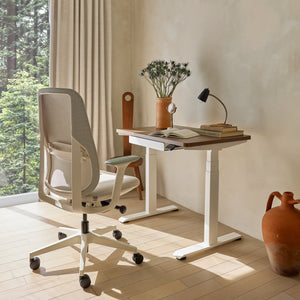
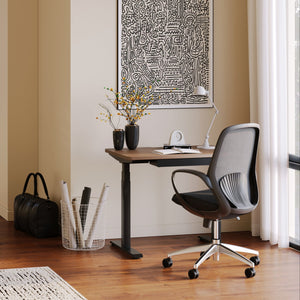
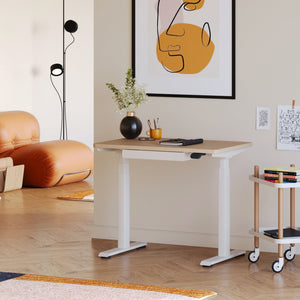
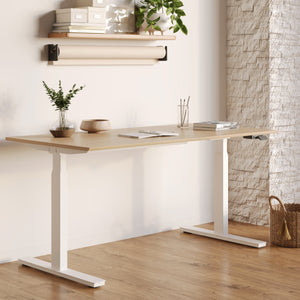
An adjustable standing desk fits naturally into a calming modern home by supporting movement while maintaining a clean, understated appearance.
Calming modern homes often rely on natural materials to soften contemporary lines. Wood, fabric, and matte finishes bring warmth and texture that counterbalance minimal design.
Furniture that incorporates natural materials feels grounded and timeless. These materials age gracefully and create a sense of connection to the environment, which contributes to emotional calm.
|
Furniture Style |
Key Traits |
Best Used In |
Emotional Effect |
|
Minimalist |
Clean lines, simplicity |
Living rooms |
Mental clarity |
|
Modern |
Structured with softness |
Workspaces |
Focused calm |
|
Natural |
Organic materials |
Bedrooms |
Grounded comfort |
|
Ergonomic |
Supportive design |
Offices |
Physical ease |
|
Low-profile |
Light visual weight |
Small spaces |
Openness |
Seating is often the most used furniture in a home. Its style and comfort level directly affect how relaxed a space feels.
Comfort should never be sacrificed for appearance. Modern ergonomic seating blends support with refined design.
Supportive contours that promote good posture
Slim profiles that reduce visual clutter
Neutral upholstery that blends seamlessly
Comfortable arm support for long sitting sessions
Chairs that adapt to movement
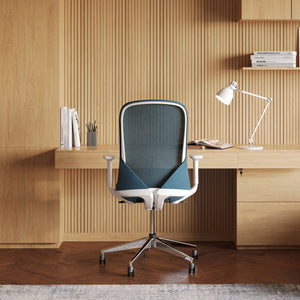
Accessories such as an adjustable arm support enhance comfort while keeping the workspace visually clean. Pairing this with a well-designed ergonomic chair supports posture without disrupting the calm aesthetic of the room.
Clutter is one of the biggest obstacles to a calming home. Storage furniture that blends into the environment helps maintain visual peace.
Modern storage furniture often uses concealed compartments, smooth fronts, and integrated handles. These details allow storage to disappear into the room rather than compete for attention. Calm homes prioritize storage that feels invisible but highly functional.

A calming, modern home is not about following trends. It is about choosing furniture styles that support how you want to live and feel.
Choose simple, cohesive furniture styles
Prioritize comfort and ergonomics
Use natural materials to soften modern lines
Select adaptable furniture for changing needs
Keep visual clutter to a minimum
When furniture choices are intentional, the home becomes a place of restoration rather than stimulation. Calm is not added through decoration. It is built through thoughtful design.


You have unlocked free shipping!
You're saving $29 and unlocked free shipping!
Leave a comment