



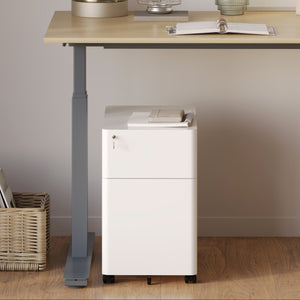






















Filing Cabinet Choices for Cleaner Workstation Planning
Cleaner workstation planning starts with filing storage that matches the desk, document volume, security needs, and daily workflow. Explore how cab...
Learn more
Visit quiz page to see how we makes it easy to create an inspiring workplace

Buying furniture online can feel like a gamble. You see photos, read descriptions, and wonder if the piece will really fit your space or suit your body. Size uncertainty often leads to hesitation or even abandoned purchases. Furniture size charts solve this problem by giving clear, reliable measurements that guide buyers. They reduce anxiety, improve confidence, and help ensure that furniture works for your space and your body.
Many buyers underestimate the importance of dimensions. A chair might look comfortable in a photo, but if the seat height or depth doesn’t match your body, discomfort quickly follows. Likewise, a desk might seem sleek online, but it could overwhelm your room if the footprint isn’t clear.
Clear size charts make it easy to visualize the furniture in your environment. They also provide critical ergonomic information. Choosing a chair or desk that matches your body prevents strain and supports healthier posture. For example, a well-fitted seating option like an Ergonomic Office Chair California combines comfort with the assurance that it suits your frame.
When buyers know exact measurements, they feel empowered to make decisions. Furniture size charts remove guesswork and reduce the risk of mismatch.
Provides accurate dimensions for planning
Ensures furniture fits intended space
Reduces the chance of returns
Improves satisfaction with the final purchase
Size charts are most helpful when they include:
Seat height, width, and depth for chairs
Desk length, width, and height
Overall furniture footprint
Adjustable features and range
Charts turn abstract product listings into concrete information, making shopping less stressful and more predictable.
Selecting furniture without measurements can lead to regret. Size charts allow buyers to match pieces to their unique needs.
For home offices, desk height and chair dimensions are especially important. Adjustable furniture adds flexibility, but base measurements are still necessary for planning.
Size-focused decision-making often includes:
Adjustable desk heights for different tasks
Adequate legroom under work surfaces
Proper seating depth to support posture
Overall furniture proportions in the room
Furniture that fits well improves both comfort and productivity. A height-adjustable desk allows movement, while a classic office desk surface provides consistent support.
When furniture is sized correctly, the body is supported naturally. Ergonomically appropriate dimensions prevent discomfort, which in turn supports focus. Studies show that workspace design directly impacts productivity, comfort, and mental clarity. For more details on how space and productivity connect, you can read about the science of office productivity and design.

Size charts do more than prevent room mismatch. They also guide buyers toward ergonomic features that make long-term use easier.
Chairs and desks with adjustable elements are only helpful if you know the base measurements.
Adjustable arm supports to relieve shoulder strain
Seat depth and height for natural posture
Backrest dimensions to support the spine
Adding adjustable arm support for desk use ensures proper alignment, while seating like the adaptive ergonomic chair provides a tailored fit for everyday use.
Incorrect furniture sizes are a top reason for returns. Size charts reduce this risk by allowing buyers to visualize how pieces will fit and function. This saves time, effort, and money while improving overall satisfaction.
Charts also simplify decision-making for shared spaces. When multiple users are involved, charts clarify which pieces accommodate different body types comfortably.
|
Furniture Type |
Size Considerations |
Benefits of Using Charts |
|
Chairs |
Seat height, depth, arm height |
Comfort, posture support |
|
Desks |
Width, length, height |
Workspace planning, ergonomic fit |
|
Sofas |
Depth, seat height, overall footprint |
Room layout, usability |
|
Tables |
Surface dimensions |
Functionality, movement around furniture |
Always measure your space before shopping. Compare dimensions in charts with your room layout and existing furniture.
Size charts aren’t only about rooms—they are about people. Knowing your own measurements helps you choose furniture that supports comfort and posture.
Double-check height, width, and depth
Include clearance for walking or movement
Consider adjustable features and ranges
Visualize furniture placement using online tools or tape
Furniture that fits your body and room reduces stress and ensures your space is functional and enjoyable.
Knowing exact measurements before buying gives peace of mind. Buyers are more likely to make decisions quickly, without hesitation. Properly sized furniture leads to better comfort, usability, and overall satisfaction. Size charts act as a guide that reduces guesswork and ensures the investment feels worth it from day one.
Using furniture size charts turns uncertainty into clarity. Measurements help you select pieces that fit your space and support your body. They improve comfort, reduce returns, and enhance productivity, making furniture purchases more enjoyable and stress-free.
Before finalizing your choice, check this simple checklist:
Measure your room and intended placement
Compare your body dimensions with seating or desk charts
Confirm adjustable ranges for versatile use
Ensure overall furniture footprint fits the space
Visualize how pieces work together in the room
When size is clear, shopping becomes confident, furniture fits perfectly, and daily living feels more comfortable.


You have unlocked free shipping!
You're saving $29 and unlocked free shipping!
Leave a comment