



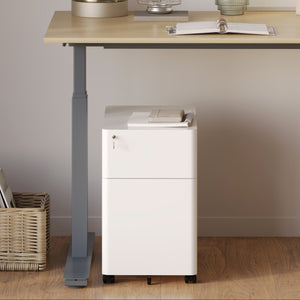







Filing Cabinet Choices for Cleaner Workstation Planning
Cleaner workstation planning starts with filing storage that matches the desk, document volume, security needs, and daily workflow. Explore how cab...
Learn more
Visit quiz page to see how we makes it easy to create an inspiring workplace


Furniture is often one of the most used elements in a workspace. Desks hold equipment for hours every day, chairs support posture throughout long work sessions, and accessories keep technology positioned properly. Because these pieces are used so frequently, small daily habits can gradually cause wear and tear without anyone noticing.
Most furniture damage does not happen suddenly. Instead, it develops slowly through repeated behaviors such as placing too much weight on surfaces, adjusting mechanisms improperly, or allowing clutter to accumulate. Over time, these habits weaken materials, affect stability, and reduce comfort.
Understanding how daily behavior influences furniture durability is the first step toward protecting your workspace investment. By adjusting a few small routines, you can significantly extend the life of desks, chairs, and accessories while keeping your workspace comfortable and functional.
Many people assume furniture wears out simply because of time. In reality, daily usage patterns often have a greater impact on durability than age.
Choosing durable Office Furniture California solutions provides a strong foundation, but how the furniture is used each day still determines how long it will last.
Common habits that slowly damage furniture include:
Placing uneven weight on desk surfaces
Ignoring small adjustments that affect balance
Using chairs improperly or leaning excessively
Allowing clutter to build up on work surfaces
These behaviors may seem harmless at first, but repeated daily use gradually weakens structural components.
Awareness helps prevent long-term damage.
Modern desks often include adjustable features designed for comfort and flexibility. However, forcing adjustment mechanisms can damage internal components.
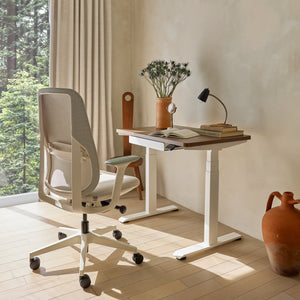
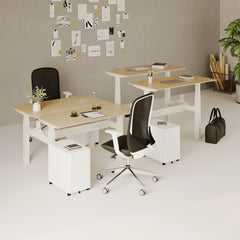
An adjustable standing desk allows you to alternate between sitting and standing positions. Always raise or lower the desk gradually instead of forcing rapid changes.
Proper adjustment prevents:
Motor strain
Uneven pressure on joints
Reduced mechanical lifespan
Heavy equipment placed unevenly on a desk can strain adjustable frames. Monitors, laptops, and accessories should remain evenly distributed to maintain structural balance.
Balanced setups protect both the desk and its mechanisms.
Desks are designed to hold equipment, but excessive weight or clutter can cause long-term strain.
A well-designed office desk works best when the surface remains organized and balanced.
Helpful habits include:
Keeping only essential tools on the desk
Avoiding stacked items that create pressure points
Removing unused equipment regularly
Heavy objects dragged across surfaces can cause scratches or dents. Always lift equipment when repositioning it instead of sliding it across the desk.
Small precautions protect surfaces from long-term wear.
Furniture quality plays a significant role in durability. Materials, construction methods, and hardware all influence how well furniture withstands daily use.
According to insights from choosing furniture, durable furniture often features strong frames, reliable hardware, and finishes designed for long-term use.
Quality construction provides:
Strong structural integrity
Resistance to surface damage
Consistent stability over time
Starting with reliable furniture makes it easier to maintain durability through daily habits.
Large monitors placed directly on desk surfaces can create concentrated pressure points.
Using a monitor arm lifts monitors off the desk and distributes weight more evenly.
Advantages include:
Reduced pressure on desk surfaces
Improved viewing angles
Cleaner workspace organization
When adjusting monitors, move them carefully to avoid damaging the mounting mechanism or stressing desk surfaces.
Proper monitor setup protects both furniture and posture.
Office chairs endure constant use throughout the workday. Small habits such as leaning heavily on armrests or sitting improperly can gradually damage chair mechanisms.
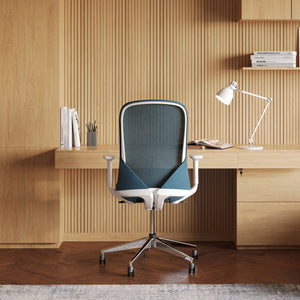
A supportive ergonomic office chair is designed to encourage healthy posture and balanced weight distribution.
However, improper habits can still affect durability.
Examples include:
Leaning excessively backward
Using armrests to support full body weight
Ignoring height adjustments
Maintaining proper seating habits helps preserve chair performance and comfort.
|
Habit |
Long-Term Effect |
Prevention |
|
Sliding equipment across desks |
Surface scratches |
Lift items when moving |
|
Leaning heavily on desk edges |
Structural strain |
Maintain balanced weight |
|
Ignoring loose screws |
Instability |
Check hardware regularly |
|
Using chairs improperly |
Mechanism wear |
Adjust seating correctly |
|
Allowing clutter buildup |
Surface pressure |
Maintain organized layout |
Recognizing these habits allows you to prevent damage before it becomes noticeable.
When desks become crowded, items are more likely to bump, scratch, or spill onto surfaces.
Organizing tools properly prevents unnecessary movement and reduces the chance of damaging furniture.
Helpful practices include:
Storing unused items away
Maintaining clear work zones
Managing cables carefully
A minimal and organized workspace not only improves productivity but also protects furniture from unnecessary wear.
Clear surfaces reduce accidental damage.
Furniture benefits from occasional maintenance just like any frequently used equipment.
Regular care can include:
Tightening screws and bolts
Cleaning surfaces and adjustment mechanisms
Inspecting components for early signs of wear
Routine inspections allow you to fix minor issues before they develop into major problems.
Consistent maintenance keeps furniture reliable and comfortable for years.
One of the most common habits that slowly damages furniture is dragging it across the floor. While it may seem harmless, repeated dragging places stress on joints, legs, and frame connections. Over time, this movement can loosen structural components and weaken stability.
When furniture needs to be repositioned, it is always better to lift it carefully rather than slide it. Even small desks or chairs can experience frame strain when dragged frequently.
Dragging furniture can also damage floors and create uneven pressure points on furniture legs.
To prevent unnecessary wear:
Lift furniture with assistance when needed
Use protective pads under legs
Move heavy items slowly and carefully
Furniture does not usually break from one large mistake. Instead, small repeated actions like dragging, leaning, or improper lifting gradually weaken its structure.
Being mindful of how furniture is moved helps preserve stability and extend its lifespan.
Protecting furniture does not require complicated routines. Simple habits can make a significant difference in durability.
Use this checklist to keep your workspace furniture in excellent condition:
Avoid placing excessive weight on desks
Adjust furniture gently and gradually
Keep desk surfaces clean and organized
Maintain balanced equipment placement
Lift items instead of dragging them
Inspect hardware periodically
Use ergonomic seating correctly
Avoid leaning heavily on desk edges
Maintain clear workspace areas
Clean surfaces regularly
Furniture longevity depends not only on quality but also on daily habits. When desks, chairs, and accessories are used carefully and maintained consistently, they can remain reliable and comfortable for many years.
A well-maintained workspace protects your investment while supporting productivity and comfort every day.


You have unlocked free shipping!
You're saving $29 and unlocked free shipping!
Leave a comment