

























Table Lamp Buying Guide: What to Look For Beyond Just Style
Choosing a table lamp takes more than finding the right style. This buying guide explains how to evaluate lamp height, shade type, brightness...
Learn more
Visit quiz page to see how we makes it easy to create an inspiring workplace


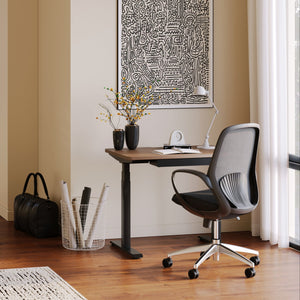
In New York City, workspaces are becoming more compact, more flexible, and more integrated into daily living environments. Apartments double as offices, creative studios become hybrid workspaces, and professionals spend longer hours seated than ever before. This shift is increasing demand for a better Ergonomic Office Chair New York setup designed for modern work habits rather than traditional corporate environments.
The modern workspace no longer revolves around oversized executive furniture. Instead, it prioritizes ergonomic support, efficient design, and furniture that improves workflow without overwhelming the room itself.
Traditional office seating often focuses on appearance before functionality. The problem usually becomes noticeable after several hours of sitting:
Lower back tension increases
Posture gradually shifts forward
Constant repositioning becomes necessary
A properly designed ergonomic office chair addresses these problems by supporting movement and posture more naturally throughout the day.
This difference becomes especially important in smaller workspaces where long work sessions are common.
True ergonomic design focuses on adaptability rather than fixed positioning.
A quality chair ergonomic office setup typically includes:
Lumbar support aligned with the spine
Adjustable positioning for different sitting styles
Support that encourages natural movement instead of restricting it
The goal is not to force perfect posture, but to reduce unnecessary strain during extended periods of work.
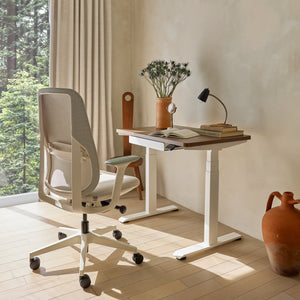
New York work environments often operate within limited square footage. Oversized furniture can quickly make a room feel crowded and less functional.
Modern ergonomic seating works better in these environments because it combines:
Compact proportions
Minimal visual weight
Long-term ergonomic support
A carefully designed ergonomic chair supports productivity while helping the workspace remain visually balanced and open.
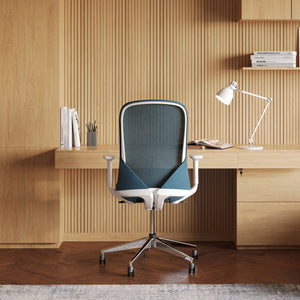
The traditional executive office chair is gradually being replaced by lighter and more refined designs.
Modern chair ergonomic office chairs setups often emphasize:
Breathable materials
Slim structural profiles
Flexible ergonomic movement
Cleaner workspace integration
This reflects the broader shift toward minimalist workspace design across New York homes and offices.
The real value of the best ergonomic office chair often appears gradually rather than instantly.
Over time, users typically notice:
Less fatigue during work sessions
Fewer posture adjustments throughout the day
Reduced tension in the shoulders and lower back
A quality ergonomic chair works quietly in the background instead of constantly demanding attention.
Comfort affects concentration more than most people realize. Small physical distractions accumulate over time and interrupt workflow throughout the day.
A strong ergonomic setup often helps:
Maintain focus longer
Improve overall workspace comfort
Create more sustainable work routines
This is why ergonomic seating is increasingly viewed as part of productivity strategy rather than simply office furniture.
Modern home offices operate differently than traditional workplaces. Furniture now has to support long work sessions while fitting naturally into living environments.
The best ergonomic seating for home workspaces typically focuses on:
Long-term comfort
Cleaner visual structure
Space-conscious proportions
This balance is becoming increasingly important in New York apartments and compact hybrid workspaces.
A chair influences more than posture—it affects how the entire workspace feels physically and visually.
Oversized or poorly proportioned seating can:
Restrict movement around the desk
Add visual heaviness to smaller rooms
Make the workspace feel more cluttered
Modern ergonomic seating solves this by focusing on proportion, efficiency, and adaptability.
The future of workspace design is moving away from excess. Instead of adding more furniture, professionals are investing in fewer pieces that function better over time.
This shift is increasing demand for:
Ergonomic support
Flexible workspace furniture
Seating designed for modern living environments
A thoughtfully designed Ergonomic Office Chair New York setup reflects this broader evolution toward smarter and more intentional workspaces.
You can also explore ergonomic seating solutions from Urbanica Furniture designed for home offices, creative studios, and contemporary professional spaces.


You have unlocked free shipping!
You're saving $29 and unlocked free shipping!
Leave a comment