



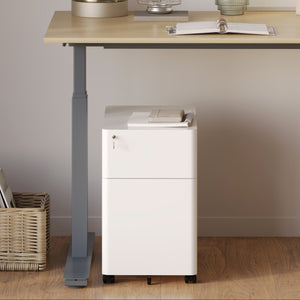






















Filing Cabinet Choices for Cleaner Workstation Planning
Cleaner workstation planning starts with filing storage that matches the desk, document volume, security needs, and daily workflow. Explore how cab...
Learn more
Visit quiz page to see how we makes it easy to create an inspiring workplace


A well designed home office elevates daily performance by supporting the body’s natural alignment while creating a stable environment for extended focus. When furniture encourages healthy posture and balanced movement, the entire workflow becomes more sustainable. Physical comfort, cognitive clarity, and productivity are interconnected, and each depends on how effectively a workspace is arranged. With more professionals working from home, the quality of furniture matters more than ever, and thoughtful ergonomic choices play a defining role in long term well being.
Ergonomic design begins with the relationship between the body and the objects used throughout the day. Every seated position, reach, glance, and keystroke creates a pattern of movement. When furniture does not support natural posture, these patterns accumulate pressure. Over time, small misalignments can reduce energy and shorten productive work periods.
Human joints and muscles function best when they maintain neutral positions. A neutral spine curves naturally, a relaxed shoulder stays low and open, and the neck aligns with the torso without tilting. When furniture supports these relationships, the body uses less effort to stabilize itself. Chair height, desk surface level, and monitor distance all influence these mechanics. With proper alignment, the body is less likely to compensate with awkward postures or tense muscles, creating more resilient working habits.
Mental clarity improves when the body feels grounded. Excess physical strain competes for cognitive resources. Supportive seating and a well arranged desk reduce this mental load, allowing more energy to be directed toward problem solving, task execution, and creative thinking. When furniture feels stable and intuitive, workers can shift between tasks with minimal friction, which is essential for maintaining deep focus.
Common signs of poor ergonomics include tightening in the upper back, head forward posture, persistent wrist pressure, or shifting positions due to discomfort. Many people also notice eye fatigue or a tendency to lean closer to the screen. These signals indicate that the workspace may not be aligned with the body's natural posture and should be adjusted to prevent strain.
The desk is the central anchor of a home office. It sets the foundation for posture, determines arm and eye positioning, and influences how freely a user can move. Selecting a desk that suits both space and working habits creates a smoother daily experience.
Ideal desk dimensions ensure that wrists remain level, monitors sit at a comfortable height, and legs have adequate space for balanced seating. Sufficient depth allows screens to be placed at a healthy viewing distance. Proper width provides room for accessories without crowding the arms or shoulders.
Surface materials, textures, and edges all affect comfort. A stable surface reduces vibration while typing. Smooth edges protect forearms from pressure. A clean layout encourages better organization, which reduces unnecessary reaching that can throw off posture alignment.
Workers often adapt bedrooms, living rooms, or shared areas into functioning offices. In these situations, strategically chosen desk sizes and placement help minimize cramped positions. Aligning the desk with natural light can aid visibility and reduce eye strain. Positioning the desk away from high traffic paths prevents subconscious tension caused by interruptions.
Urbanica’s selection offers a broad range of contemporary desks that adapt well to both spacious offices and compact living areas. These options make it easier to match surface size, design, and style to the specific needs of remote work environments.
Sit stand working patterns help maintain circulation and refresh the body throughout the day. Incorporating a height adjustable desk encourages more natural movement, supporting healthier working rhythms.
Shifting positions prevents prolonged static pressure on muscles and joints. Standing briefly helps reengage core muscles, promotes better breathing, and can improve alertness. Even modest posture changes interrupt discomfort patterns before they develop, creating steadier long term performance.
A dependable adjustable desk offers smooth transitions and a stable surface that does not wobble during typing or writing. The height range should comfortably accommodate the user’s preferred seated and standing positions. Balanced construction ensures that items on the desk stay secure during adjustments.
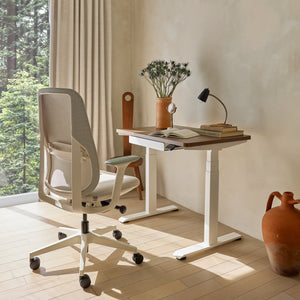
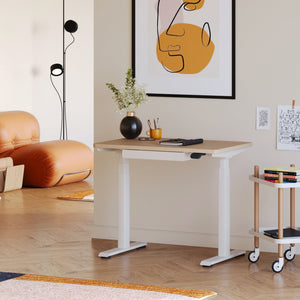
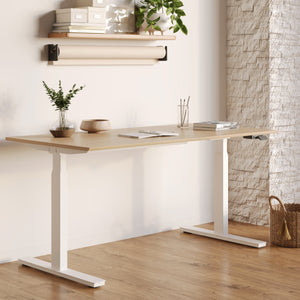
Urbanica’s adjustable standing desk model supports controlled height transitions and provides a surface that feels steady across repeated daily use. This helps users maintain consistent comfort when shifting between seated and standing work modes.
A supportive chair is the most important investment in any home office. The right chair encourages neutral alignment and prevents subtle imbalances that accumulate over long work sessions.
Proper seat height keeps feet grounded for stability. A curved backrest supports the natural shape of the spine. Adjustable armrests align the elbows comfortably with the desk, reducing tension in the shoulders and upper back. These relationships help maintain a relaxed, balanced seated posture.
Breathable materials help regulate heat buildup, especially during long sitting periods. Adjustable recline and responsive backrests allow micro movements that reduce stiffness. These elements create a more dynamic seated experience.
Workers often want furniture that fits seamlessly within their home’s aesthetic. Chairs that harmonize modern styling with ergonomic principles can encourage more consistent use, reinforcing healthy posture habits over time.
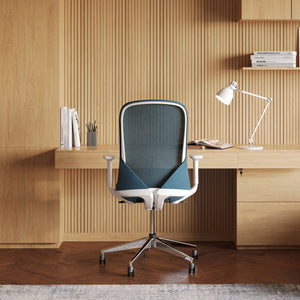
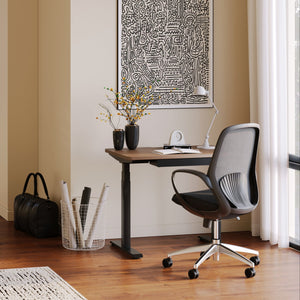
The ergonomic Onyx chair design provides structured back support that helps maintain comfortable alignment through extended tasks. Its shape is built to support posture without feeling rigid.
The Novo chair’s ergonomic structure offers responsive support that adjusts as the user shifts positions, making it easier to maintain comfort over long periods.
The Seashell chair’s modern silhouette complements contemporary home offices while still providing a stable seating experience for short to moderate work sessions.
For smaller rooms or flexible work areas, the Muse chair’s compact profile fits well without overcrowding the space. Its lightweight structure makes it easy to reposition during the day.
Even the best ergonomic furniture performs at its highest potential only when adjusted to the individual user. Small refinements in height, distance, and angle create significant improvements in daily comfort.
Elbows should angle comfortably at the desk height, wrists should remain level, and the backrest should support the lower spine. Adjusting seat depth prevents pressure at the back of the legs and allows the user to sit fully supported.
The top of the screen should sit near eye level. A slight upward viewing angle reduces neck tension. Keeping the keyboard and mouse aligned with the elbows prevents shoulder compression. If needed, small adjustments can be made with stands or supports.
For foundational guidance, teams and individuals can reference ergonomic setup guidance from OSHA to ensure that workstation arrangements follow established safety practices.
A workspace that adapts to natural movement patterns supports long term well being. Small layout choices influence how often users shift, stretch, and adjust throughout the day.
Accessories like footrests, supportive cushions, or under desk mobility tools help users maintain varied postures. Simple movements prevent stiffness and encourage healthier habits.
Creating enough space around the desk prevents awkward leg positions or shoulder hunching. Even in smaller homes, thoughtful placement can open up movement paths and reduce interruptions.
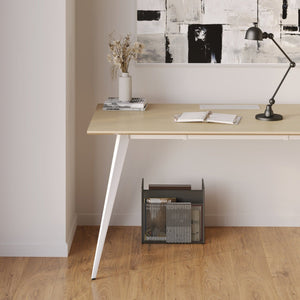
Urbanica’s functional office desk style suits users who prefer clean surfaces and straightforward work zones. Its simplicity supports natural workflow without distractions.
As remote and hybrid work continue to rise, ergonomic furniture plays a larger role in maintaining long term health and productivity. Homes increasingly need flexible, supportive solutions that adapt to evolving work tasks.
Adopting ergonomic practices early helps preserve joint health and reduce cumulative strain. Consistent comfort supports sustained productivity and reduces the risk of future discomfort.
Design trends are moving toward compact, adaptable furniture that fits seamlessly into multipurpose homes. Workers value pieces that support both performance and personal style, encouraging more enjoyable work environments.
As professional tasks shift and diversify, furniture that adjusts to changing workflows becomes more essential. Chairs with reliable back support, desks with flexible surfaces, and accessories that enhance comfort all contribute to a healthier and more effective home office.


You have unlocked free shipping!
You're saving $29 and unlocked free shipping!
Leave a comment