











Filing Cabinet Choices for Cleaner Workstation Planning
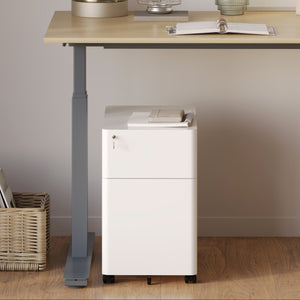
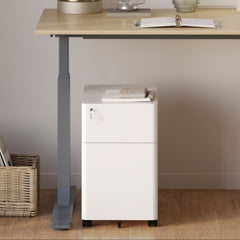
Cleaner workstation planning starts with filing storage that matches the desk, document volume, security needs, and daily workflow. Explore how cab...
Learn more
Visit quiz page to see how we makes it easy to create an inspiring workplace


For many professionals and students, chronic discomfort—a nagging lower back ache, tension in the neck, or stiff shoulders—has become an accepted cost of work. This is a critical mistake. Pain is the body’s loudest alarm, and when ignored, it becomes a massive drain on cognitive resources, sabotaging your ability to focus, think creatively, and sustain high performance.1 Poor posture is the primary cause of this friction, forcing your body into damaging positions that restrict blood flow and fatigue muscles.
The solution is not complex stretching routines alone, but a strategic re-engineering of your immediate environment. By understanding the core principles of ergonomics and investing in the right adjustable office equipment, you can build a system that supports your body effortlessly, eliminating pain and freeing your mind for peak performance. This guide provides the complete blueprint for perfecting your alignment and maximizing your comfort.
When the body is misaligned, the brain dedicates significant energy to managing pain signals, leaving less capacity for high-value tasks.
Restricted Breathing: Causes reduced oxygen flow to the brain, leading to mental fog.
Disc Compression: Places uneven pressure on the spine, leading to chronic lower back pain.
Cumulative Strain: Repetitive stress on tendons and ligaments leads to conditions like carpal tunnel syndrome.
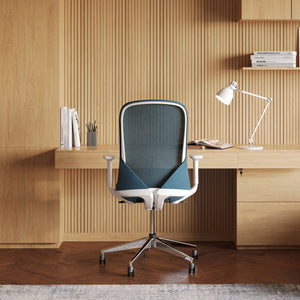
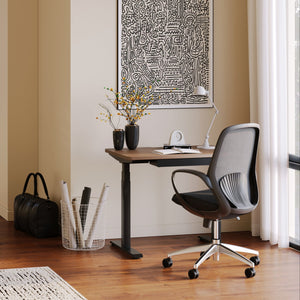
The chair is the single most critical piece of equipment for postural health, as it bears the majority of your weight throughout the day. A standard chair simply cannot provide the granular adjustability required for neutral alignment.
The goal of any high-quality ergonomic chair is to support the spine in its natural S-curve, minimizing the muscular effort required to sit upright. This relaxed-but-alert posture is key to sustained focus.
The commitment to precise support is especially vital in high-demand environments. Professionals seeking the best support look to specialized regions, often choosing an Ergonomic Office Chair California for its blend of advanced design and comfort standards.

Achieving the perfect posture requires meticulous calibration. Even the best desk chair must be adjusted to your unique body dimensions to function correctly.
|
Component |
Goal of Adjustment |
Impact on Pain |
|
Seat Height |
Feet flat on floor, knees slightly below hips |
Reduces pressure behind the knee |
|
Seat Depth |
Two inches between seat edge and back of knee |
Prevents circulation cut-off |
|
Armrests |
Elbows at 90-100 degrees, shoulders relaxed |
Eliminates neck and shoulder tension |
|
Lumbar Support |
Fits snugly into the curve of your lower back |
Prevents slouching and disc strain |
The ultimate expression of customized support comes from premium ergonomic office chairs, designed for full-spectrum adaptability.
Static posture, even perfectly aligned, leads to muscle fatigue and metabolic slowdown. The best way to reduce pain and boost energy is to integrate movement into the workday.
Movement stimulates blood flow, increases oxygen to the brain, and prevents the buildup of stiffness. Switching between sitting and standing is the most effective micro-break for the body.
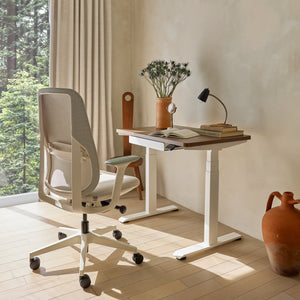
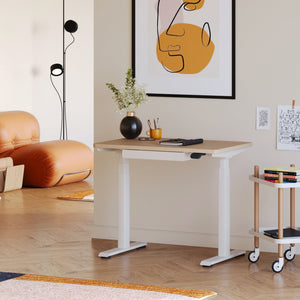
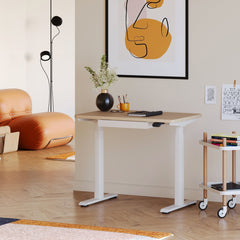
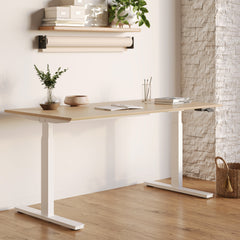
The functional centerpiece for this dynamic routine is an adjustable desk, which enables smooth and quiet transitions throughout the day.
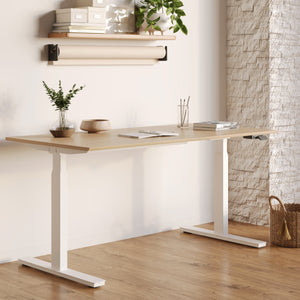
Your primary office desk must be stable and appropriately sized to support your workflow without crowding your space or forcing uncomfortable reaches. Instability is a major source of subconscious stress.
For a fixed computer table, the height must allow your keyboard to be positioned so your forearms are parallel to the floor when seated. For dynamic setups, this means selecting an ergonomic desk that can achieve both your perfect sitting and perfect standing height.
Posture isn't just about the chair; it's about the entire chain of contact with your equipment. Misaligned monitors and peripherals strain the neck, eyes, and wrists.
Monitor Placement: The top third of the screen should be at or slightly below eye level. This prevents neck hyperextension.
Keyboard and Mouse: Must be close to the body, keeping the wrists straight (neutral position) to avoid tendon strain.
This detailed attention to the entire setup is fundamental to physical health, adhering to rigorous workplace ergonomics standards designed to protect workers from cumulative trauma injuries.
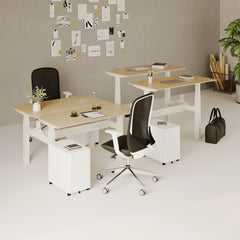
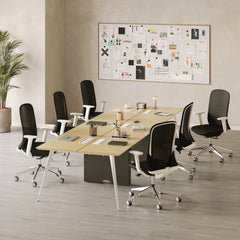
In collaborative or shared environments, one person's discomfort can disrupt another's focus. The environment must allow two users to achieve individual ergonomic perfection simultaneously.
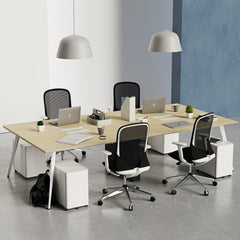
Shared desk and chair for office setups must provide dual, independent adjustment capabilities. This prevents the need for one user to compromise their alignment because the other user needs a different height or configuration.
A Two Person Standing Desk system ensures that each user can achieve their perfect ergonomic height and alignment without impacting their partner.
Even with the best equipment, perfection requires maintenance. Developing a habit of frequent, small adjustments ensures you stay in the optimal zone throughout the day.
Start with the Feet: Ensure feet are flat and supported immediately upon sitting.
The Hourly Check: Every 60 minutes, consciously check your spine and shoulder position.
The Stand Cue: Use a dedicated timer or app to cue your transition to standing, interrupting static periods.
When you eliminate physical pain, you free the brain to perform at its maximum capacity. Perfect posture is the ultimate productivity hack, not just a health commitment.
|
Posture Condition |
Physical State |
Cognitive Impact |
|
Slouched (Static) |
Restricted blood flow, muscle fatigue |
Mental fog, reduced attention span |
|
Neutral (Supported) |
Open chest, relaxed muscles |
Increased oxygen flow, sustained focus |
|
Dynamic (Moving) |
Stimulated circulation, active core |
Higher energy levels, creative thinking |
The investment in premium, adjustable equipment is the ultimate preventative measure. It guarantees that your physical structure is supported by tools that are built to last and adapt to you.
High-quality materials in an ergonomic desk chair ensure that the precise adjustments hold over years of use, preventing the piece from breaking down and forcing you back into a painful, static position. This long-term durability protects your investment in health.

Perfecting your posture is not an aspirational goal; it is a mechanical process driven by the furniture you use. By calibrating your office desk and ergonomic chair to your precise needs, you eliminate the constant physical friction that drains your focus and causes pain. Follow this blueprint to achieve a state of effortless alignment, freeing your mind to operate at peak capacity, day after day.


You have unlocked free shipping!
You're saving $29 and unlocked free shipping!
Leave a comment