



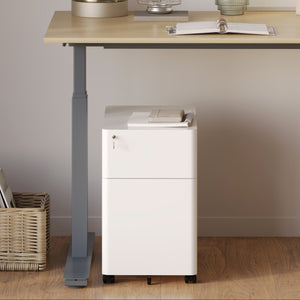






















Filing Cabinet Choices for Cleaner Workstation Planning
Cleaner workstation planning starts with filing storage that matches the desk, document volume, security needs, and daily workflow. Explore how cab...
Learn more
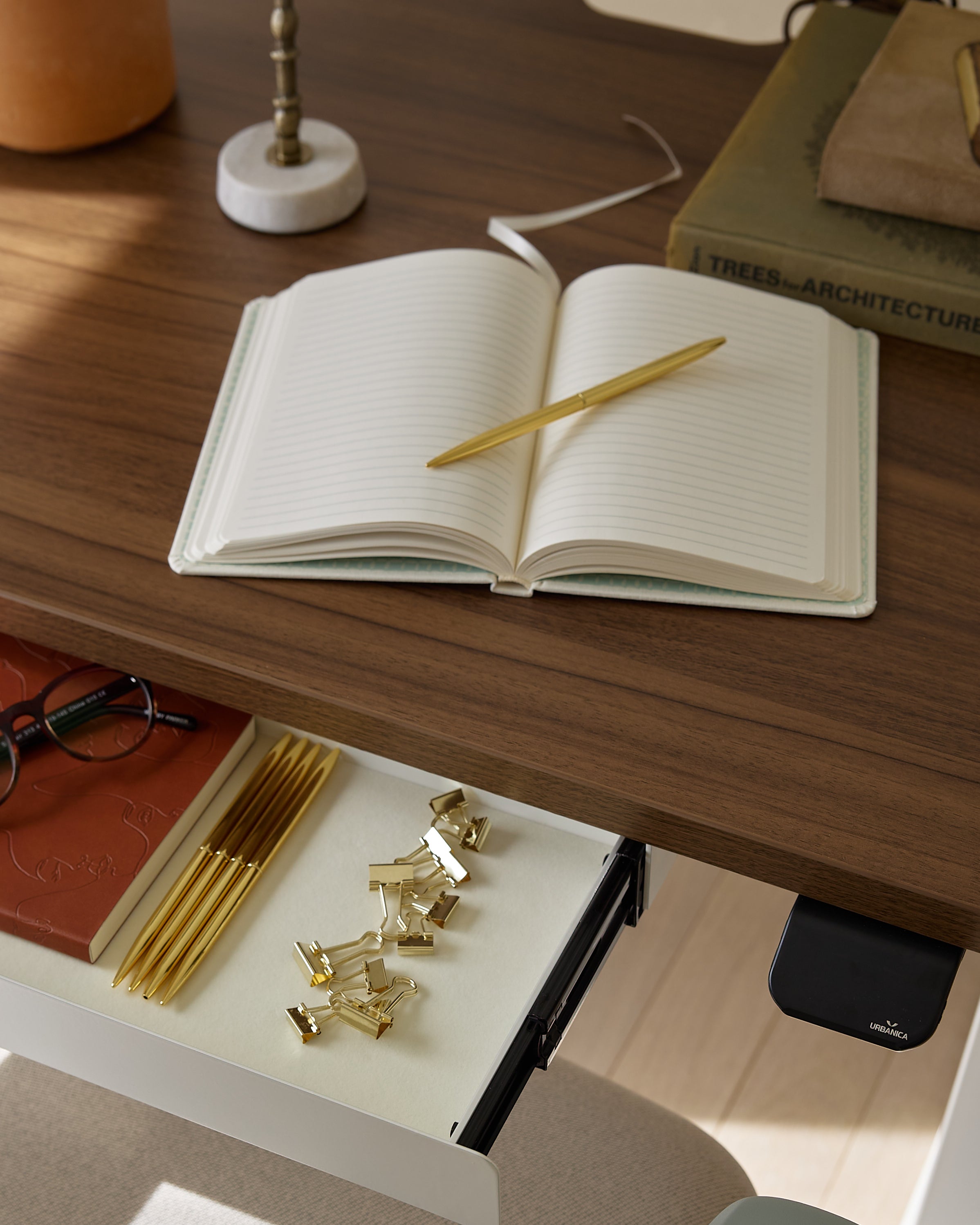
Visit quiz page to see how we makes it easy to create an inspiring workplace


Condos require mindful furniture decisions because square footage is limited and every piece influences how the home feels and functions. A dual-use table simplifies this equation by taking on multiple roles without demanding extra space. It becomes the dependable center of daily living, supporting meals, work sessions, creative projects, and moments of unwinding. From our perspective, designing for condo living is about helping residents achieve clarity, comfort, and flexibility in homes where every inch matters.
Urban homeowners increasingly blend professional and personal activities in a single room. Mornings may begin with quiet planning, afternoons with focused laptop work, and evenings with shared meals. A dual-use table adapts to these patterns without rearranging the space or adding new furniture. This adaptability fosters a calm, functional environment that adjusts around real life rather than forcing residents to adapt to rigid layouts.
A single well-chosen table prevents visual fragmentation. Instead of competing surfaces crowding the eye, one multi-purpose anchor creates continuity. Slim lines, balanced proportions, and thoughtful material choices help preserve openness, which is essential in condos where rooms serve more than one role.
In many condos, one surface takes on multiple categories of daily activity. A table that supports both meals and focused work must feel substantial yet streamlined, able to shift roles without hesitation or clutter.
A slender tabletop offers enough room for essential items while maintaining clear circulation paths. Residents benefit from the freedom to move around the home without feeling confined by heavy furniture. A slim profile also helps the room feel visually lighter.
Dining tables can serve as temporary workstations, but frequent remote work often requires more ergonomics and stability. Purpose-built desks provide a better balance of posture, alignment, and organization. For condos that need a compact yet capable workstation, our selection of modern desk designs presents options built around comfort and space efficiency.
Features such as cable routing, leg clearance, and subtle storage options determine whether a surface feels comfortable during extended use. These small details can elevate a table from passable to genuinely functional.
Smaller condos and studios often depend on a single compact workstation that performs consistently across various activities. The right dimensions and proportions keep the table purposeful without overwhelming nearby furniture.
Residents who use laptops or notebooks may prefer a narrower depth that conserves floor space. Those who craft, draw, or multitask may benefit from a slightly deeper tabletop that supports multiple items at once. Proportion matters, especially when space is scarce.
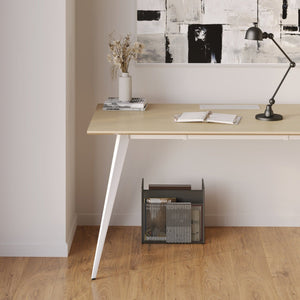
A compact workstation near an outlet minimizes visible cords and prevents clutter. Simple accessories like cord clips or trays help maintain a clear surface during transitions between work and dining. A dependable example is our simple office desk option, which provides an efficient footprint tailored to smaller homes.
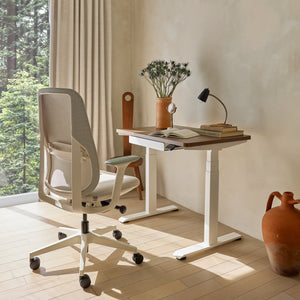
Positioning a compact table near a window enhances comfort and visually expands the room. Proper orientation reduces glare and makes the workspace feel more inviting.
A height-adjustable table adapts to the multiple postures a day requires. In smaller condos, this flexibility helps maintain comfort and prevents the need for multiple surfaces dedicated to different activities.
Standing can improve alertness during focused tasks, while seated posture works better for longer sessions or shared meals. A height-adjustable table allows residents to choose what feels best in the moment without rearranging the room.
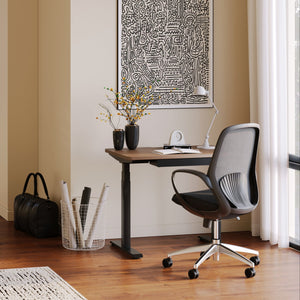
A reliable mechanism and a stable frame help ensure that height adjustments remain smooth and quiet. For condo dwellers seeking an adjustable option that respects limited space, our adjustable standing desk model offers predictable performance without excessive footprint.
Maintaining proper posture supports long-term comfort. Screen height alignment, elbow angle, and foot placement all influence how pleasant a table feels across long days. OSHA provides helpful ergonomic posture guidelines that reinforce these principles.
Compact condos often include small architectural pockets that go unused. A micro-footprint table can transform these overlooked spaces into highly productive zones.
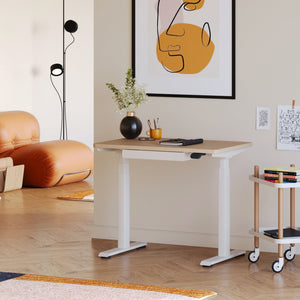
The right table fits into tight corners without interrupting movement. Minimalist legs, narrow depths, and visually light materials help these tables blend into their surroundings. Our compact standing desk for limited spaces is shaped to fit into small nooks while offering a usable work surface.
Shelving units, wall organizers, and overhead accessories complement small tables without adding clutter. Vertical layering keeps tools accessible while preserving a clean tabletop.
Micro-footprint tables allow residents to switch instantly from laptop work to daily activities like meals or reading. Their small size supports fast changeovers.
Some condos house couples or small families who need a shared table that supports work, meals, and social moments. The right multi-seat surface encourages connection without sacrificing individual comfort.
Generous width, easy chair clearance, and surfaces that withstand varied use all contribute to a shared table that holds up across daily life. A central power option helps maintain flexibility for multiple users.
Cable openings or simple covers help hide cords during meals or gatherings. Sturdy finishes make cleanup easy after projects or shared tasks. A dependable fit for these needs is our four-person workstation table, designed to serve both collaborative and dining functions.
Even in small homes, spacing chairs comfortably around the table ensures a better overall experience for shared meals or joint work sessions.
Open-plan condos have the floor space to support larger dual-use tables that serve as multifunctional hubs for gatherings, projects, and day-to-day routines.
Residents can spread out materials for collaborative work, crafts, or hobbies while still having room for dining. Larger surfaces also improve comfort for families or cohabitants who use the table throughout the day.
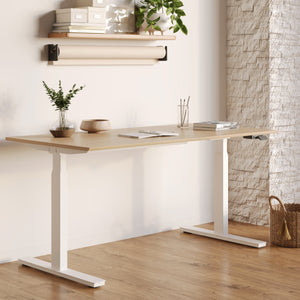
A large table can serve as a spatial anchor, defining the center of the room and supporting transitions between tasks. A sturdy and spacious option for open layouts is our six-person workstation, built to support various group activities.
Light-toned finishes and open-leg designs keep large tables from dominating an open space. Balanced proportions ensure visual harmony.
Two-person workstations suit couples who share space but need independent working comfort. These tables reduce redundancy and maintain a streamlined condo layout.
Desk width, legroom, and shared access to outlets all influence the success of a dual-person table. Our two-user standing desk solution supports partners who prefer flexibility and individual comfort while working side by side.
Small seating adjustments or modest dividers help maintain focus without sacrificing connection. Individual lighting and accessory choices personalize each user’s space.
Side-by-side layouts enhance collaboration, while staggered or angled seating supports independent work when needed.
Condo living benefits from surfaces that withstand daily transitions and frequent use. Material selection influences maintenance, durability, and the table’s relationship to the room.
Laminate, thermofoil, and solid wood each offer distinct advantages. Light finishes open up smaller rooms, while natural textures add warmth and tactile comfort.
Subtle matte surfaces reduce glare and make compact rooms feel more open. Balanced tones help the table blend with surrounding décor and maintain visual cohesion.
Routine cleaning, hardware checks, and surface care ensure long-term performance. Simple upkeep protects the table’s structure and maintains its appearance.
Selecting the right table requires matching real habits to the room’s proportions. With thoughtful measurement and planning, a single piece can transform daily life.
1. Clarify the primary and secondary functions the table must support.
2. Measure the available footprint and observe traffic flow patterns.
3. Align material and finish choices with maintenance preferences.
4. Consider seating needs and the number of daily users.
| Table Type | Footprint | Best Use Cases | Seating Capacity | Recommended Condo Size |
|---|---|---|---|---|
| Compact Workstation | Small | Quick tasks, small meals | 1 | Studio to 1 bedroom |
| Dual-Person Table | Medium | Shared work, dining | 2 | Any size |
| Multi-Seat Workstation | Medium to Large | Work, dining, hosting | 3 to 4 | Larger 1 to 2 bedroom |
| Standing Table | Variable | Active work and hobbies | 1 to 2 | Studio to large |
| Large Format Table | Large | Projects and group activities | 4 to 6 | Open-plan units |
Dual-use tables reinforce the idea that a home can evolve with its residents. A well-chosen table respects the limitations of condo living while providing meaningful flexibility. It adapts across life stages, supports healthier routines, and enhances the home’s ability to serve multiple purposes without unnecessary complexity.


You have unlocked free shipping!
You're saving $29 and unlocked free shipping!
Leave a comment