



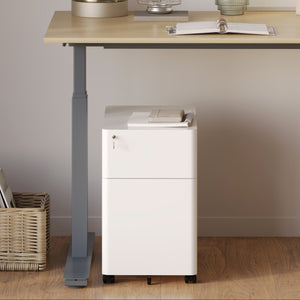






















Filing Cabinet Choices for Cleaner Workstation Planning
Cleaner workstation planning starts with filing storage that matches the desk, document volume, security needs, and daily workflow. Explore how cab...
Learn more
Visit quiz page to see how we makes it easy to create an inspiring workplace


A desk chair for studying does more than fill empty space in a room. It shapes how long someone can stay focused, how easily they can settle into reading or typing, and how comfortable the desk setup feels day after day. Buyers often begin with appearance, color, or overall style, but the better decision usually comes from looking at how the chair will actually be used. A chair that looks right in a product photo can still feel awkward if it sits too high for the desk, crowds a small bedroom, or does not support the way study sessions naturally unfold.
That is why the best buying decisions come from practical questions. How long will the chair be used at a time? Will it support laptop work, handwritten notes, and reading without becoming distracting? Does it fit the room, the desk, and the habits that happen around them? Shoppers comparing ergonomic office chair options are usually not just choosing a seat. They are trying to create a study environment that feels easier to return to every day.
A chair that seems comfortable for a few minutes may feel very different after a full evening of studying. Short sessions can hide common issues such as thigh pressure, a backrest that does not encourage upright posture, or fixed armrests that clash with desk height. Buyers often assume comfort is mostly about softness, but studying tends to expose a wider set of concerns. Concentration depends on being able to sit without constant fidgeting, adjusting, or shifting around to find relief.
Studying also includes more movement than many people realize. There is typing, writing by hand, leaning forward to annotate, leaning back to read, turning to grab books, and rolling in closer to the desk for focused work. A chair that supports only one rigid position may not feel natural for long. The right fit should make these transitions feel easy rather than restrictive.
Not every buyer needs the same type of support. Someone using a chair for occasional homework may care most about a clean footprint, easy placement, and visual balance in a compact room. Someone preparing for exams or attending long online classes is more likely to notice back support, airflow, and seat comfort over time.
This is where the phrase "best desk chair for studying" can become misleading if treated too generally. The better question is which desk chair fits the actual rhythm of study. A laptop-first user may prioritize arm position and back support. A reader and note-taker may care more about how the seat feels during slight forward lean. A mixed work-and-study setup may require a chair that can transition easily between tasks without feeling too specialized for only one purpose.
A chair used for thirty to sixty minutes at a time can often be simpler than one used for repeated multi-hour blocks. Shorter sessions may not demand as much adjustability because the body has less time to notice small mismatches. Longer sessions are different. Even minor pressure points or posture issues become more obvious when the chair is used daily.
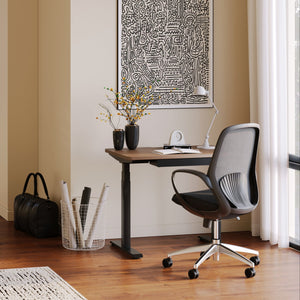
For buyers who expect studying to be a regular part of life, support should be considered a long-term quality rather than a luxury detail. Back shape, seat proportions, and the ability to adjust the chair to the desk become more important as daily seated time increases. That is where a model such as the Novo ergonomic office chair enters the conversation naturally, because buyers studying for longer stretches often need a chair designed around posture support rather than appearance alone.
When a seat feels too shallow, too firm in the wrong areas, or awkwardly shaped, concentration begins to compete with discomfort. A buyer may think the problem is motivation when the real issue is physical distraction from the chair.
During long study sessions, the lower back often becomes the first area to signal that a chair is not working well. Support does not need to feel aggressive to be helpful. It simply needs to encourage a sustainable seated posture.
Armrests can be useful for keyboard-based study, but they can also become frustrating if they prevent the chair from tucking under the desk or if they push the shoulders into a tense position. Buyers should think about how they actually use the desk rather than assuming every feature is automatically beneficial.
Studying is not a single posture activity. It includes upright typing, slight reclining while reviewing material, and forward movement while writing notes or highlighting pages. A good backrest should feel supportive without forcing the user into one narrow sitting style. Buyers often notice this only after the chair becomes part of the routine.
A chair with ergonomic intent can help reduce that constant need to readjust. At the same time, it is important to stay realistic. No chair can solve every setup issue on its own, and even a supportive model still needs to fit the desk and room it belongs to.
A desk chair for studying should allow the user to sit at a height that feels natural for the desk surface. If the chair sits too high, shoulders may rise and wrists may angle awkwardly while typing. If it sits too low, the desk may feel crowded and strain can build in the upper body. Seat depth matters too. A seat that presses into the back of the knees or leaves too little support under the thighs can make sustained focus harder than it needs to be.
These details often matter more than dramatic design features because they affect how the body meets the chair every single day. When buyers ignore proportions and focus only on style, the chair may still look right while functioning poorly.
Some buyers benefit from armrests, especially if they type for long periods or switch between laptop and keyboard work. Others may prefer a simpler silhouette that gives them more freedom to move close to the desk. There is no universal rule here. The better approach is to assess how the chair will interact with the desk, the body, and the space available around it.
A study chair can feel too large even when it technically fits. In smaller rooms, visual bulk matters because the chair remains visible when not in use. A large backrest, wide seat, or oversized base can make a study corner feel crowded quickly. Buyers furnishing compact bedrooms, apartment corners, or shared spaces often benefit from chairs with cleaner proportions and a lighter visual presence.
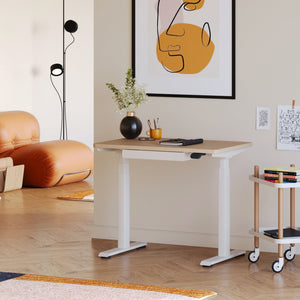
That is also why the desk and chair should be considered together rather than as separate purchases. The relationship between seated height, desktop height, and usable writing space affects comfort just as much as the chair design itself. A buyer exploring an adjustable desk collection is often solving part of the same problem, because desk fit and chair fit work together.
Before checkout, buyers should know a few simple dimensions in their own space:
1. Desk height from floor to work surface
2. Space available for the chair to roll and turn
3. Clearance under the desk for arms or armrests
4. Approximate seat width that the area can comfortably handle
5. Whether the chair needs to tuck in fully when not in use
These checks are simple, but they reduce the chance of choosing a chair that feels wrong only after it arrives.
Buyers sometimes assume the softest chair will be the most comfortable for studying, but that is not always true. In warmer rooms or during long study sessions, airflow can become more valuable than plushness. Breathable construction can help a chair feel easier to use repeatedly, especially for people who sit for extended blocks or tend to feel warm while working.
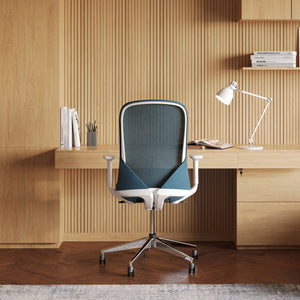
Chairs with softer visual finishes can make a study area feel more integrated into a bedroom or design-focused workspace. They may appeal to buyers who want their desk setup to feel warm and intentional rather than purely utilitarian. A model such as the adjustable Muse chair fits naturally into this part of the conversation because some buyers want a chair that supports desk use while also contributing to the room's overall aesthetic.
The key is to stay grounded in use. Materials should be judged by how they feel during repeated study sessions, how they look in the room, and how easy they are to live with over time. The most appealing finish is still the wrong choice if it does not suit the way the chair will be used.
In many homes, the study chair is not hidden in a separate office. It is in a bedroom corner, beside a window, or part of a multi-use room. In these settings, a chair with a cleaner profile can help the workspace feel more intentional and less crowded. That does not mean sacrificing function. It simply means balancing utility with proportion and visual restraint.
Buyers do not need every advanced feature to make a smart purchase. The adjustments that tend to matter most are seat height, basic tilt response, supportive back design, and a shape that works with the desk rather than against it. These features influence daily use in a practical way.
For buyers who want ergonomic support without overcomplicating the decision, the Onyx ergonomic chair belongs in the comparison because the question is rarely about how many features a chair has. It is about whether the chair supports regular study in a clear, usable way.
A feature-rich chair can be helpful for one buyer and unnecessary for another. A student using a chair for occasional review sessions may not need the same level of adjustability as someone attending classes online all day and working at the same desk in the evening. The better purchase is the one that reflects realistic daily use.
This is especially important when buying for shared homes or evolving routines. Many study spaces eventually become mixed-use workspaces. A chair that adapts comfortably to more than one task can remain relevant as needs change, even without making exaggerated promises about performance.
A chair that looks out of place in the room can create friction of a different kind. When the setup feels messy or oversized, people often avoid using it as consistently. Style should not outrank comfort, but it should not be treated as superficial either. A visually balanced study corner can help a workspace feel more settled and more inviting for repeated use.
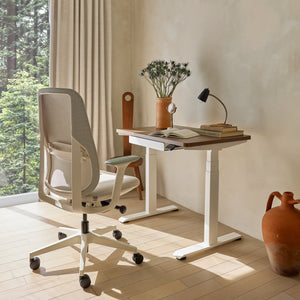
Not every buyer wants a highly technical office look in a home study area. Some prefer a lighter chair that still feels appropriate for desk tasks without dominating the room. In these cases, the Seashell task chair fits the conversation because many study setups benefit from seating that feels clean, usable, and visually manageable.
The most effective choice is often the one that blends into everyday life while still supporting real desk activity. That balance matters more than trend language or dramatic design claims.
Even a well-chosen chair cannot fully compensate for a desk that is too high, poor lighting, or a cramped corner that limits movement. Studying feels better when the whole arrangement works together. The desk should allow a natural arm position. The chair should roll and tuck without constant friction. The room should support focus rather than turning every session into a negotiation with the environment.
That broader view is why some buyers look beyond a single product and explore workspace furniture for city apartments and home offices. The goal is not to overbuild the room. It is to make sure the chair belongs to a setup that functions well as a whole.
A smart shortlist often comes down to a few honest questions:
| Buyer question | Why it matters |
|---|---|
| Does this chair match how long I actually study? | Daily use reveals comfort issues that short sessions may hide |
| Will it fit my desk and room without crowding them? | Physical fit affects comfort and ease of movement |
| Does the seat and back style suit how I read, type, and write? | Study habits shape what kind of support feels natural |
| Will I still want this chair in the room every day? | Visual fit affects long-term satisfaction |
| Is this chair solving a real need or just looking impressive on paper? | Better decisions come from function, not feature overload |
A good study chair does not need to promise dramatic transformation to be worth buying. It needs to support the kind of work that happens at the desk, fit the space honestly, and remain comfortable enough to make returning to the routine feel easy. Buyers often get the strongest results when they focus less on broad claims and more on alignment between chair, desk, room, and daily habits.
That alignment includes sitting time, posture needs, available space, desk dimensions, and personal preference for how a room should feel. Some buyers will lean toward ergonomic support first. Others will prioritize a lighter silhouette or a more visually integrated look. The strongest choice is not the one with the loudest appeal. It is the one that continues to feel right after the novelty of checkout has passed.
A desk chair for studying earns its place by reducing friction. It should help the desk feel usable, the posture feel more natural, and the study routine feel easier to maintain. When a chair fits that role well, it becomes part of a more dependable workspace, and that matters far more than any quick first impression.


You have unlocked free shipping!
You're saving $29 and unlocked free shipping!
Leave a comment