



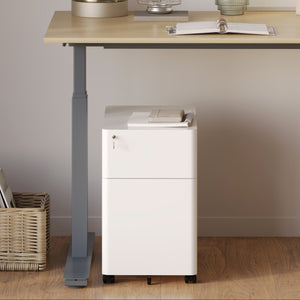






















Filing Cabinet Choices for Cleaner Workstation Planning
Cleaner workstation planning starts with filing storage that matches the desk, document volume, security needs, and daily workflow. Explore how cab...
Learn more
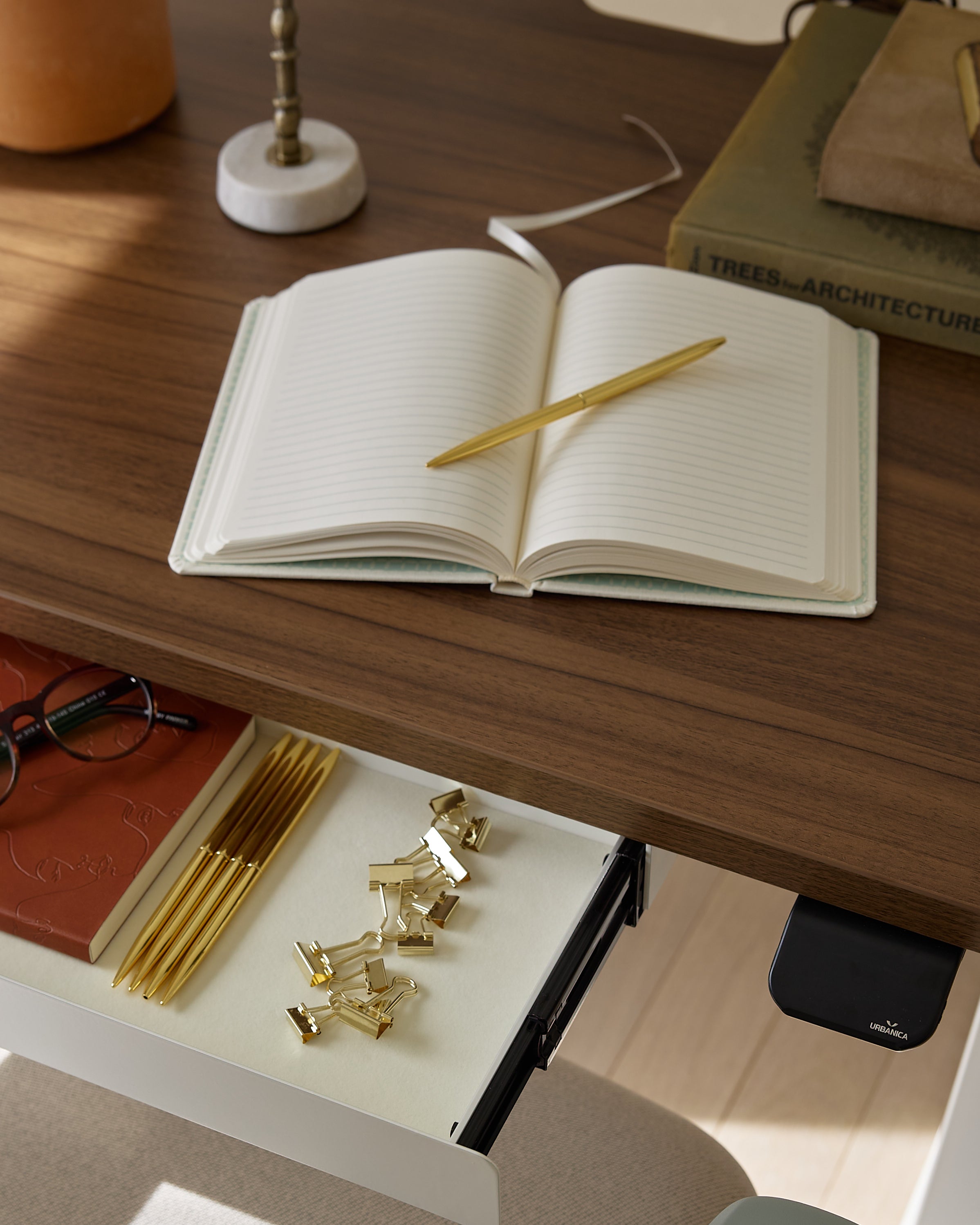
Visit quiz page to see how we makes it easy to create an inspiring workplace


Interior design influences how you feel, think, and perform. The colors you see, the furniture you use, the way your desk is placed, and even how light fills the room can encourage either deep focus or constant distraction. When you apply interior design psychology to your workspace, you create an environment that naturally supports productivity without forcing yourself into rigid habits. This guide explores how thoughtful layout choices, ergonomic upgrades, and strategic styling can transform your workday.
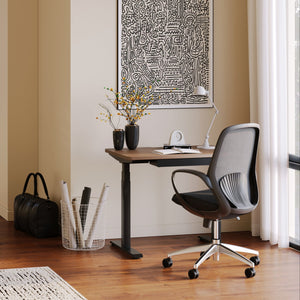
A steady foundation sets the tone for your entire work environment. A functional Office Table California layout helps anchor your space and encourages a smooth workflow. When your main surface feels balanced, your mind follows.
It shapes how you manage tasks.
It affects posture and visual clarity.
It determines how efficiently you use your surroundings.
Your desk becomes the focal point of your productivity, so choosing a supportive layout makes a noticeable impact.
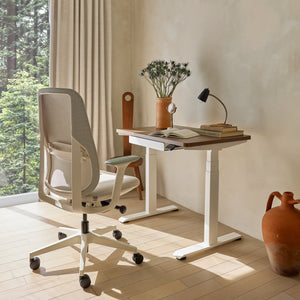
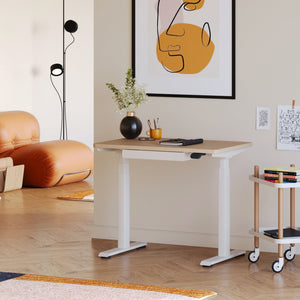
Interior design psychology emphasizes movement and flexibility. Changing your working height boosts alertness and reduces fatigue. Adding an adjustable standing desk provides the opportunity to switch positions throughout the day, improving both mood and focus.
Encourages light movement without disrupting work.
Reduces tension from prolonged static positions.
Helps maintain steady energy levels.
Movement keeps your mind engaged and your workflow fluid.
A workspace should guide your movements in a way that feels natural. A well chosen office desk helps define your flow and establishes boundaries for both work and rest. When everything has a place, your mind relaxes and productivity increases.
Keep your desk facing a calm direction.
Reduce visual clutter around your sightline.
Store tools where your hands expect them to be.
Your layout becomes a silent partner in your focus.
Interior design psychology aligns closely with ergonomics. A short ergonomic study explains how positioning, posture, and lighting influence productivity. Your setup should always support your natural movements.
Eye level screens reduce neck strain.
Neutral wrist positioning supports longer work sessions.
Balanced lighting prevents eye fatigue.
Comfort reduces distraction and encourages deeper focus.
Your shoulders and upper arms respond directly to the design of your workspace. Proper arm support prevents tension and allows smoother movement. Adding an Ergonomic Arm improves balance and posture.
Reduces shoulder elevation caused by improper desk height.
Keeps wrists in a natural position while typing.
Slows down fatigue, especially during repetitive tasks.
Comfort makes focus more sustainable throughout the day.
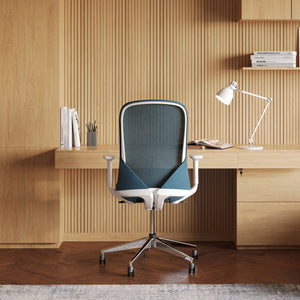
Interior design psychology emphasizes the impact of comfort on cognitive flow. The right chair helps your mind stay calm and attentive. A supportive ergonomic office chairs setup encourages natural posture and deeper concentration.
Steady breathing and relaxed shoulders.
Better spinal alignment.
Longer periods of comfortable productivity.
Well chosen seating creates emotional and physical ease in your workspace.
|
Design Element |
Psychological Impact |
Productivity Benefit |
|
Lighting |
Improves mood and focus |
Reduces eye strain |
|
Colors |
Influences emotions |
Supports energized or calm tasks |
|
Layout Flow |
Reduces stress |
Creates intuitive movement |
|
Desk Placement |
Changes visual engagement |
Prevents distractions |
|
Seating Support |
Enhances comfort |
Helps maintain attention |
|
Organization |
Reduces overwhelm |
Improves task clarity |
|
Natural Elements |
Enhances calm |
Boosts sustained focus |
Color selection shifts emotional and cognitive responses. Soft tones encourage calm, while energizing colors maintain alertness. Choosing the right palette shapes how you feel the moment you enter your workspace.
Soft greens for mental clarity.
Neutrals for minimal visual noise.
Warm tones for gentle comfort.
Color influences your emotional baseline before any task begins.

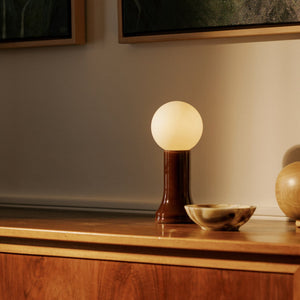
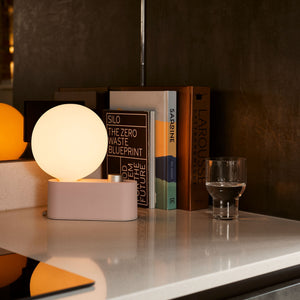
Lighting is a major psychological trigger. Bright natural light increases alertness, while soft lighting encourages calm focus. Interior design psychology suggests using layered lighting for balance.
Place your desk near a window for natural light.
Use warm lamps for evening work.
Avoid harsh backlighting that causes glare.
The right lighting creates comfort and balance throughout the day.
Visual clutter overwhelms your cognitive processing. A clean environment supports clearer thinking. Simplicity plays a key role in maintaining a productive mindset.
Remove unnecessary objects from your desk.
Use cohesive colors and materials.
Keep decorative items minimal and intentional.
Your environment influences your thoughts, so simplicity creates space for better ideas.
Interior design psychology uses zoning to create emotional cues. Establish zones for specific tasks to help your mind transition between them smoothly.
A focused working zone with clear surfaces.
A reading area with soft seating.
A small brainstorming corner for visual planning.
Zones guide your brain toward specific types of thinking.
Productivity changes depending on the day. A flexible office design adapts to different tasks, moods, and energy levels. Use lightweight furniture and modular accessories to maintain versatility.
Use small storage pieces that can move with your workflow.
Keep your layout open to adjustments.
Rearrange items seasonally for fresh energy.
Flexibility helps you stay grounded without feeling boxed in.
Use this checklist to apply interior design psychology to your office.
Productivity Design Checklist
Supportive seating that encourages natural posture.
A height adjustable surface for movement.
Screen aligned with eye level.
Balanced lighting throughout the room.
Decluttered surfaces with intentional décor.
Zones for different work modes.
Natural elements for calm.
Arm support for upper body comfort.
Clear color palette aligned with your goals.
Daily reset routine to maintain clarity.
Small design choices influence productivity more than most people expect. Light, space, color, and movement all impact the mind. When your environment feels balanced, your thoughts become clearer and your workflow smoother.
Emotional balance.
Mental clarity.
Consistency throughout the workday.
Your surroundings become a quiet support system for your productivity.
Great design is less about appearance and more about how it supports your life. When your space aligns with comfort, psychology, and ergonomics, it becomes a place where your best ideas come forward. The goal is to create an environment that feels intentional, calming, and inspiring.
Smoother focus transitions.
Real comfort that supports long hours.
A sense of peace while working.
Your workspace becomes a reflection of clarity and purpose.

Interior design psychology proves that beauty and function work hand in hand. A workspace designed with intention helps you think clearly, move comfortably, and stay emotionally grounded. With supportive furniture, smart layout choices, and a meaningful color palette, productivity becomes a natural outcome rather than a forced habit.


You have unlocked free shipping!
You're saving $29 and unlocked free shipping!
Leave a comment