




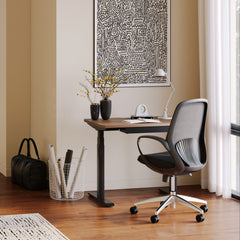
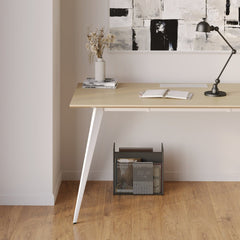
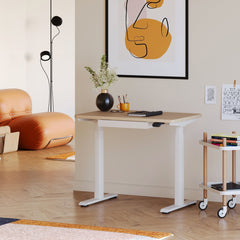

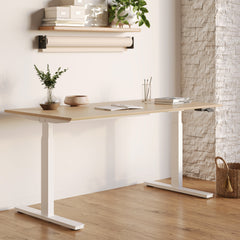

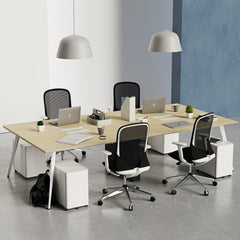
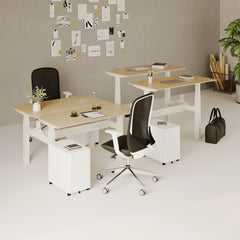
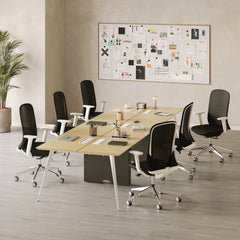


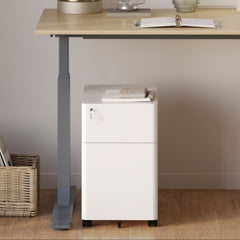


Filing Cabinet Choices for Cleaner Workstation Planning
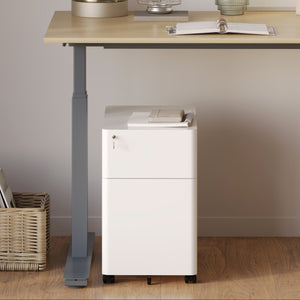
Cleaner workstation planning starts with filing storage that matches the desk, document volume, security needs, and daily workflow. Explore how cab...
Learn more
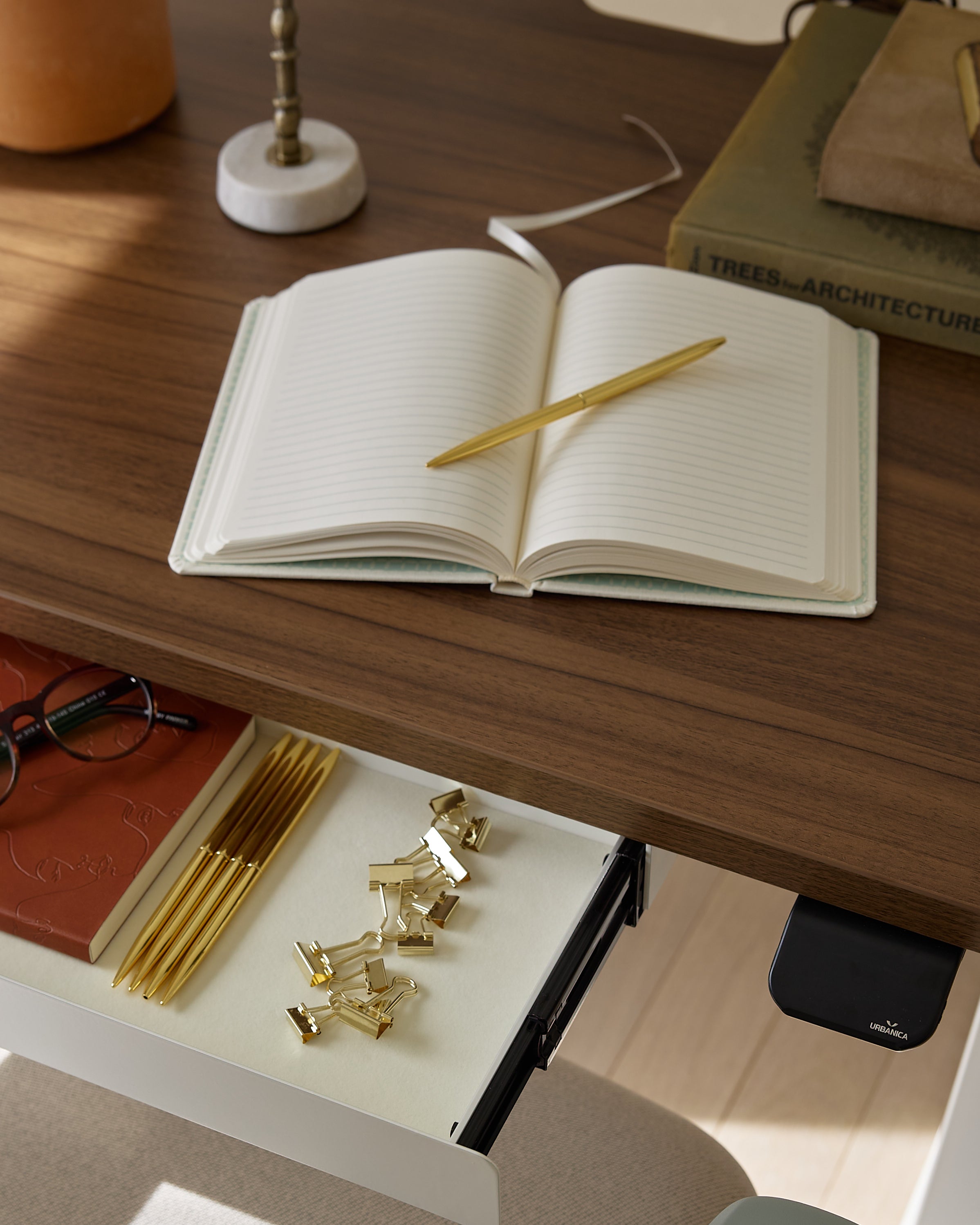
Visit quiz page to see how we makes it easy to create an inspiring workplace


A calm environment does not happen by accident. It is created through intentional design decisions that prioritize comfort, simplicity, and organization. In modern homes where living spaces often serve multiple purposes, thoughtful furniture placement can transform a chaotic room into a peaceful and productive environment.
Furniture shapes how a space feels and functions. The size of a desk, the placement of a chair, and the arrangement of accessories all influence whether a room feels balanced or overwhelming. When furniture supports both daily routines and visual simplicity, it becomes easier to relax, focus, and maintain organization.
Designing calm spaces is not about removing everything from a room. Instead, it involves choosing furniture that works harmoniously with your lifestyle and encourages a sense of balance.
Furniture serves as the structural framework of a room. Before décor or color schemes come into play, furniture determines how people move, sit, and interact within a space.
A thoughtfully chosen Office Table California setup can anchor a room and provide a defined area for productivity. When the workspace is clearly established, it prevents work materials from spreading across the entire room and disrupting the overall atmosphere.
A calm space typically includes furniture that:
Supports clear organization
Maintains open walkways
Encourages balanced layouts
Reduces visual clutter
When furniture placement is intentional, the room naturally feels more peaceful and structured.
When furniture forces you to remain in one position for extended periods, discomfort and restlessness often follow. Spaces that support movement feel more comfortable and adaptable.
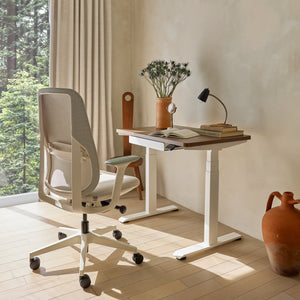
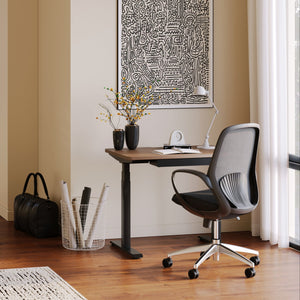
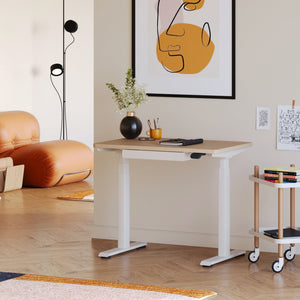
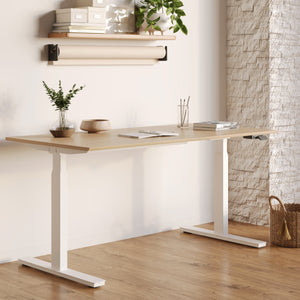
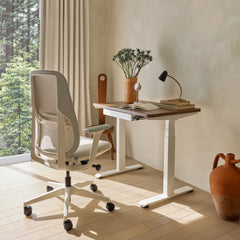
An adjustable standing desk introduces flexibility into the workspace. Alternating between sitting and standing encourages circulation and keeps the body engaged throughout the day.
Benefits include:
Improved posture
Increased comfort during long tasks
Reduced fatigue
Furniture that allows subtle adjustments creates an environment where users feel in control of their comfort. This control contributes to a calmer atmosphere.
A flexible space supports both relaxation and productivity.
Visual clutter can increase stress and distract attention. When furniture is placed thoughtfully, it helps maintain a cleaner and more balanced environment.
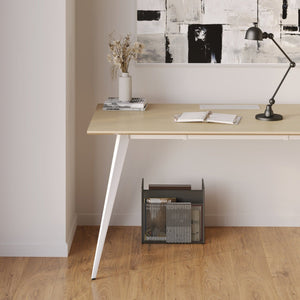
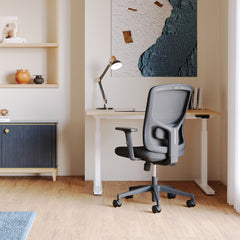
A streamlined office desk provides enough space for essential tools while preventing overcrowding.
Helpful layout practices include:
Keeping only necessary items visible
Maintaining open desk space
Organizing accessories neatly
Limiting unnecessary furniture pieces creates a calmer visual experience. When every item in a room serves a purpose, the environment feels more intentional.
A well-organized layout promotes peace of mind.
Furniture plays a significant role in the emotional tone of a room. Comfortable, supportive pieces make it easier to relax and focus without physical discomfort.
According to insights on choosing furniture, selecting durable and well-designed furniture improves both functionality and longevity.
Furniture designed with quality materials and ergonomic principles provides:
Reliable comfort
Consistent support
Long-lasting durability
Comfortable furniture contributes to a calmer environment because it removes distractions caused by discomfort.
Digital screens are a common part of modern living. Poor placement can create tension in both the body and the environment.
Using a monitor arm helps position screens at eye level while freeing valuable desk space.
Advantages include:
Improved viewing angles
Reduced neck strain
Cleaner workspace design
When screens are elevated, the desk surface remains uncluttered. This simplicity helps maintain visual calm and supports a more organized workspace.
Small adjustments can dramatically improve the atmosphere of a room.
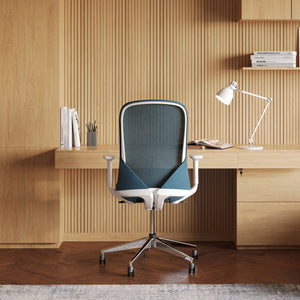
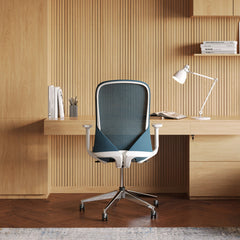
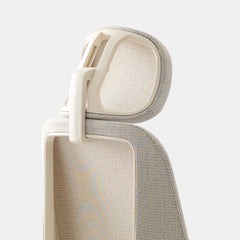
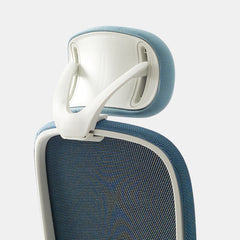
Seating influences how people experience a room. A supportive ergonomic office chair helps maintain healthy posture during long work sessions while providing consistent comfort.
When seating supports the body properly:
Muscle tension decreases
Focus improves
Relaxation becomes easier
Comfortable seating helps transform a workspace into a calmer and more inviting environment.
|
Furniture Feature |
Chaotic Setup |
Calm Setup |
|
Desk layout |
Crowded surfaces |
Organized workspace |
|
Seating support |
Uncomfortable chair |
Ergonomic seating |
|
Monitor placement |
Low screen height |
Eye-level alignment |
|
Furniture quantity |
Excessive pieces |
Minimal and purposeful |
|
Movement flexibility |
Fixed furniture |
Adjustable design |
Thoughtful furniture choices create environments that feel balanced rather than overwhelming.
Rooms often serve multiple purposes. Clearly defining work, relaxation, and social areas helps maintain order.
Helpful techniques include:
Positioning desks away from relaxation areas
Keeping work materials within a defined space
Using furniture placement to guide movement
Crowded pathways can make a room feel stressful. Ensuring clear walking space helps maintain a calm environment.
Purposeful design helps rooms remain organized even during busy days.
Calm spaces offer more than aesthetic appeal. They support mental well-being and improve everyday comfort.
Over time, thoughtfully designed environments contribute to:
Reduced daily stress
Improved concentration
Better workspace organization
Greater satisfaction with living spaces
Furniture that supports calm design encourages healthier routines and a more balanced lifestyle.
Before redesigning a room, use this checklist to ensure your furniture supports a calm environment.
Choose furniture that fits the room comfortably
Maintain organized desk surfaces
Position screens at eye level
Use ergonomic seating for long sessions
Keep walkways clear
Limit unnecessary décor
Encourage movement with adjustable furniture
Create defined activity zones
Maintain visual balance in the layout
Reevaluate furniture placement periodically
Creating calm spaces is not about eliminating personality or style. It is about designing rooms that support comfort, clarity, and daily routines.
When furniture works with your lifestyle instead of against it, your home naturally becomes a more peaceful place to live and work.


You have unlocked free shipping!
You're saving $29 and unlocked free shipping!
Leave a comment