



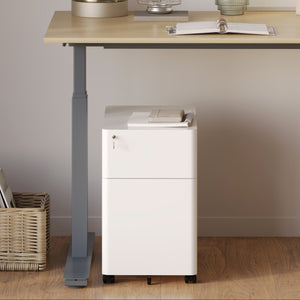



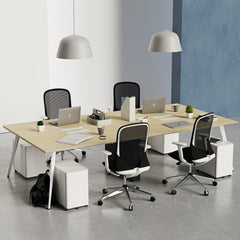


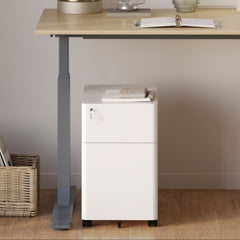


Filing Cabinet Choices for Cleaner Workstation Planning
Cleaner workstation planning starts with filing storage that matches the desk, document volume, security needs, and daily workflow. Explore how cab...
Learn more
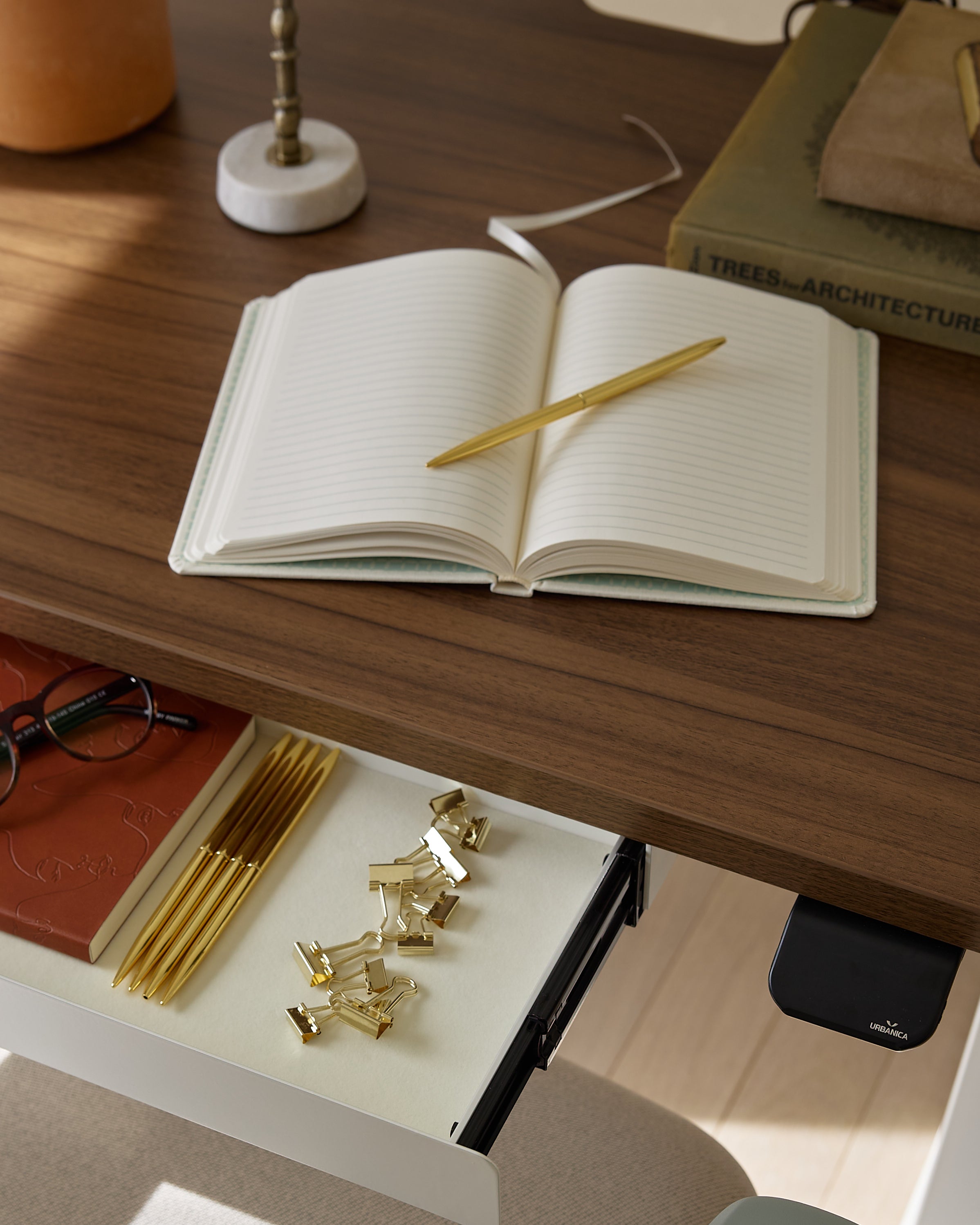
Visit quiz page to see how we makes it easy to create an inspiring workplace


Many modern homes rely on flexible rooms that shift roles throughout the day. A living room becomes a workspace in the morning, a dining area welcomes guests at night, and a bedroom transforms into a creative studio on weekends. When spaces must serve multiple purposes, the right furniture design becomes essential. Versatile pieces, smart layouts, and intentional choices allow your room to transition smoothly without feeling crowded or chaotic. This guide explores how to design furniture setups that adjust effortlessly to daily demands while keeping your home calm and beautifully functional.
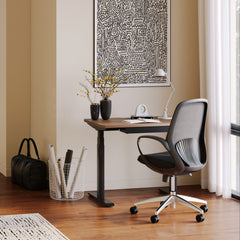
Rooms that change functions need at least one dependable piece that directs flow and purpose. A functional anchor such as an Office Desk Los Angeles introduces structure while offering the stability required for daily transitions.
Provide consistency across shifting layouts
Influence the room’s visual direction
Balance moving parts and variable elements
Support daily routines
Prevent clutter buildup
Select a piece that remains in place even when everything else rotates around it.
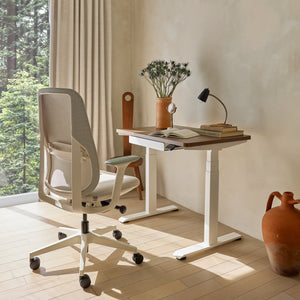
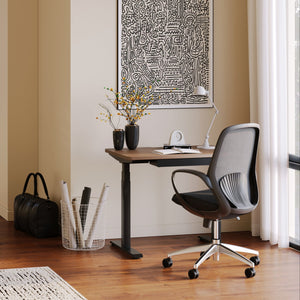
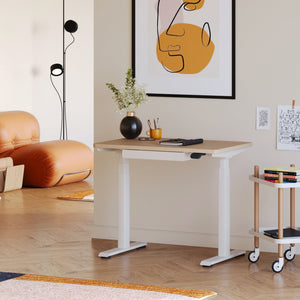
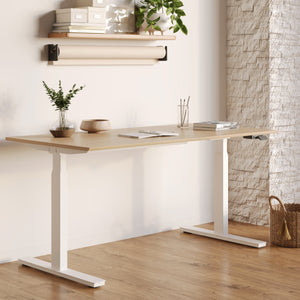
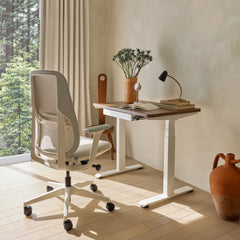
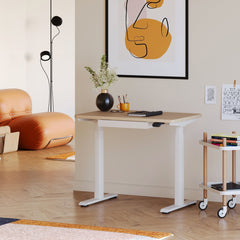
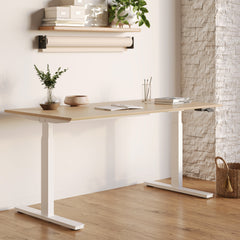
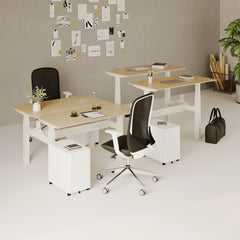
Height plays a major role in determining how a room feels. A functional solution like a standing desk helps introduce multi-level work zones that can change depending on your needs.
Separates work and leisure visually
Helps define temporary activity zones
Improves posture during long tasks
Encourages transitions between sitting and standing
Creates spatial balance
Keep taller pieces on the perimeter of the room when shifting between functions to maintain clear walkways.
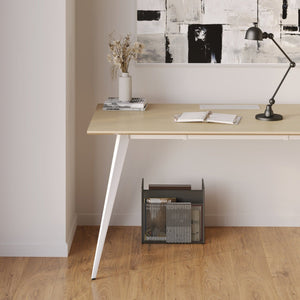
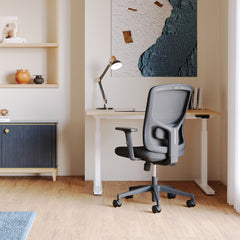
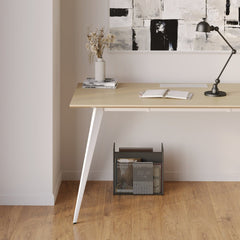
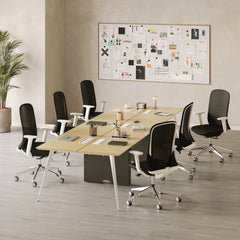
A stable surface such as an office desk plays an important role in spaces that must stay functional throughout the day. This piece anchors both work-related and casual activities.
Offers a space for work, hobbies, or meals
Complements multiple chair types
Fits into various layouts
Pairs well with storage add ons
Creates a reliable zone for productivity
Use movable accessories so the desk can shift quickly from work mode to leisure mode.
A short ergonomic study highlights how physical adjustments increase overall comfort and efficiency. These concepts translate directly into furniture design for flexible spaces.
Posture shifts prevent fatigue during task changes
Adjustable furniture supports varied activities
Stable pieces ground movement-heavy setups
Balanced alignment improves comfort in hybrid rooms
Smooth transitions reduce clutter accumulation
Use furniture that adjusts to you, not the other way around.
Even small additions help rooms shift smoothly. A supportive feature such as an Ergonomic Arm improves comfort without overwhelming the space.
Provide stability during long tasks
Add comfort to otherwise rigid furniture
Maintain clean lines in minimalist setups
Support multipurpose seating
Increase adaptability without clutter
Keep supportive additions lightweight so they can move easily when the room changes function.

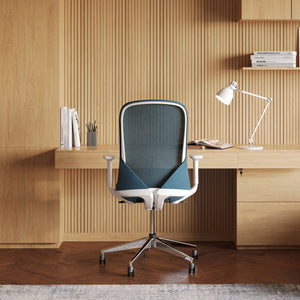
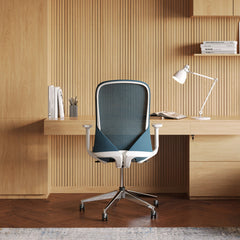
Seating influences how quickly a room can shift purpose. A multipurpose option such as an office chair helps maintain comfort while adapting to new daily configurations.
Easy movement
Adjustable height
Neutral design that fits multiple aesthetics
Supportive frame for long-term comfort
Versatile shape compatible with various surfaces
Place chairs on the edges of the room when not in use to free up space for other activities.
Color transitions help guide how a room is used. Employing tone shifts helps your environment communicate the change in activity.
Use warm tones for relaxation
Use cool tones for focus
Use soft neutrals to keep transitions smooth
Use deeper accents to define work zones
Use light tones to create spaciousness
In multipurpose rooms, use a slightly darker color behind the workspace to visually anchor productivity areas.
|
Feature |
Purpose |
Benefit |
|
Adjustable height |
Shifts between tasks |
Improves posture |
|
Lightweight builds |
Easy repositioning |
Faster room transitions |
|
Neutral colors |
Works with all layouts |
Reduces visual clutter |
|
Modular shapes |
Mix and match |
Higher personalization |
|
Storage options |
Keeps items accessible |
Supports daily changes |
Texture adds subtle cues that differentiate work, relaxation, and social zones. Unlike large décor changes, textures transition seamlessly.
Smooth finishes for work areas
Soft textiles for relaxation zones
Natural wood for multipurpose settings
Woven materials for warmth
Subtle matte finishes for balance
Use no more than three textures to maintain harmony across shifting functions.
A well-planned layout speeds up transitions. Multipurpose rooms rely on flow, accessibility, and balance.
Keep heavy pieces against walls
Place lighter items centrally for easy movement
Maintain clear pathways through the room
Use corners for storage
Keep the center open for activity shifts
Use furniture sliders under heavier pieces to allow faster rearranging.
One stable anchor piece
Adjustable height options
Neutral core palette
Lightweight movable pieces
Supportive seating
Quick-access storage
Limited textures
Clear traffic pathways
Balanced visual weight
Defined zones through tone
Lighting plays a powerful role in helping a room change function smoothly. The right source brightens productivity while softening relaxation.
Neutral overhead lighting for general function
Warm task lamps for evening wind downs
Bright desk lighting for work focus
Soft floor lamps for transitions
Natural light for daytime activity
Place dimmable lights near work surfaces for quick mood shifts.

When furniture supports variety, your home becomes more comfortable, efficient, and expressive. Instead of feeling confined to one layout, you gain the freedom to shift your environment with your daily rhythm. The right blend of adaptable pieces, visual harmony, and intentional transitions gives your room the ability to transform naturally without feeling busy or disorganized. With thoughtful design, your space can meet every purpose with ease and clarity.


You have unlocked free shipping!
You're saving $29 and unlocked free shipping!
Leave a comment