










Filing Cabinet Choices for Cleaner Workstation Planning
Cleaner workstation planning starts with filing storage that matches the desk, document volume, security needs, and daily workflow. Explore how cab...
Learn more
Visit quiz page to see how we makes it easy to create an inspiring workplace


Workspaces are no longer built for a single purpose. By 2026 and beyond, the most effective work environments will be flexible, adaptive, and capable of supporting many roles at once. A desk may host focused solo work in the morning, video meetings at noon, creative planning in the afternoon, and light personal use in the evening. Building a multi-functional workspace is about preparing for that reality. It means choosing furniture and layouts that evolve with your routines instead of locking you into one way of working.
For anyone planning ahead locally, Office Furniture California options already reflect this shift toward versatility, comfort, and long-term use.
The future of work is fluid. Hybrid schedules, remote collaboration, flexible hours, and side projects all require spaces that can change purpose quickly. A rigid office setup no longer fits how people actually live and work.
A multi-functional workspace supports:
focused individual work
collaboration and video calls
short breaks and posture changes
personal organization and planning
Instead of dedicating one room or desk to a single task, modern workspaces combine functions intelligently. This approach saves space, reduces clutter, and makes work feel more natural.
Furniture choices determine whether a workspace can truly support multiple functions.
A desk should support typing, writing, meetings, and movement without constant rearranging.
adjustable or comfortable working height
enough surface area for different tasks
stable construction for daily use
neutral design that fits mixed spaces
avoid oversized desks that dominate the room
choose layouts that allow easy reconfiguration
keep one area clear for changing tasks
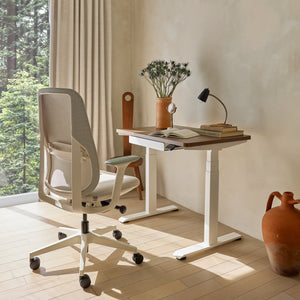
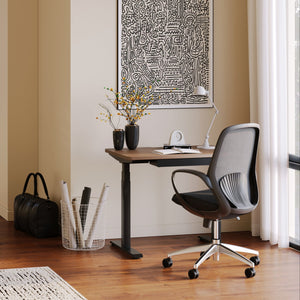
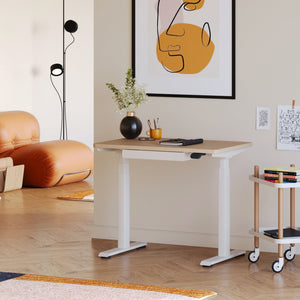
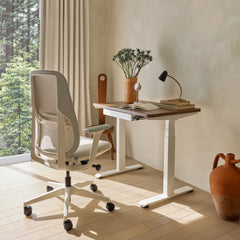
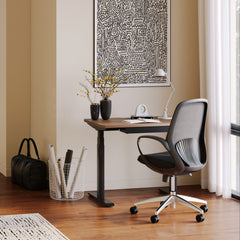
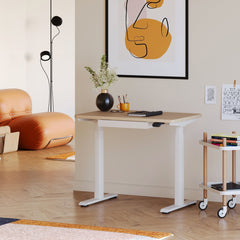
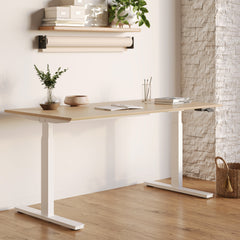
A flexible standing desk works especially well because it allows posture changes without interrupting workflow.
Flexibility does not mean sacrificing reliability.
reduces distraction
supports monitors and equipment
creates a visual anchor
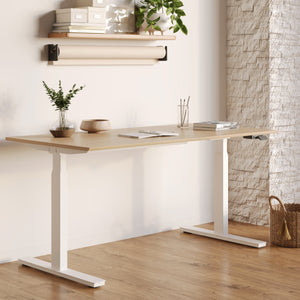
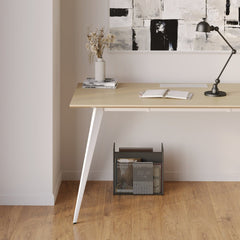
A dependable office desk balances versatility with consistency.
Multi-functional workspaces often mean longer and less predictable work hours.
Sitting for meetings, leaning back for calls, and staying upright for focus all require adaptable seating.
adjustable height and back support
arms supported without tension
comfort over long sessions
adjust chair position throughout the day
avoid locking into one posture
check support after long meetings
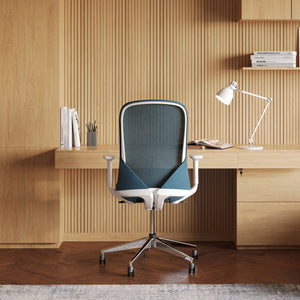
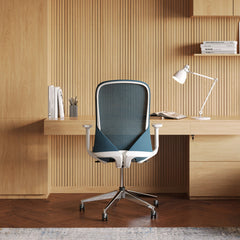
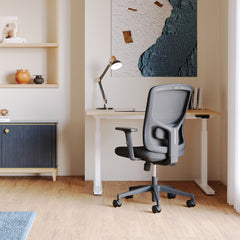
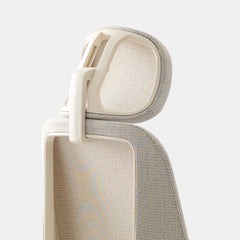
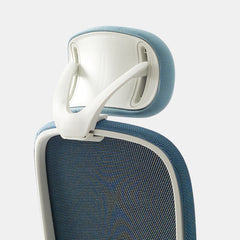
A supportive office chair helps maintain comfort as tasks change.
Ergonomics keeps the body neutral so energy stays consistent.
screen at eye level
arms relaxed while typing
feet stable on the floor
This resource on productivity-focused office design explains how physical setup directly affects performance.
A future-ready workspace relies on technology, but it should not look or feel cluttered.
Monitors, chargers, and accessories should integrate seamlessly so the workspace stays calm and adaptable.
Small upgrades often create the biggest gains in multi-functional setups.
A lifted screen improves posture and opens the desk surface.
clearer viewing angle
more usable surface space
cleaner layout
A flexible monitor arm allows easy adjustment for different tasks and users.
keep the area under the monitor clear
center the screen for meetings
adjust height for seated or standing work
Multi-functional desks often support multiple devices.
fewer visible cords
easier device switching
faster transitions between tasks
An in-desk power solution keeps technology accessible without cluttering the surface.
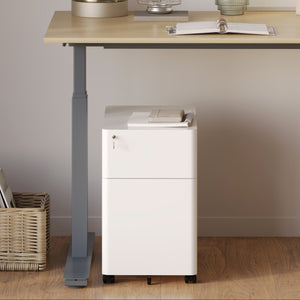
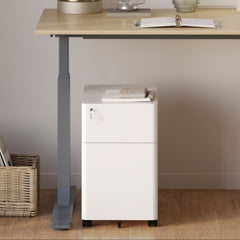
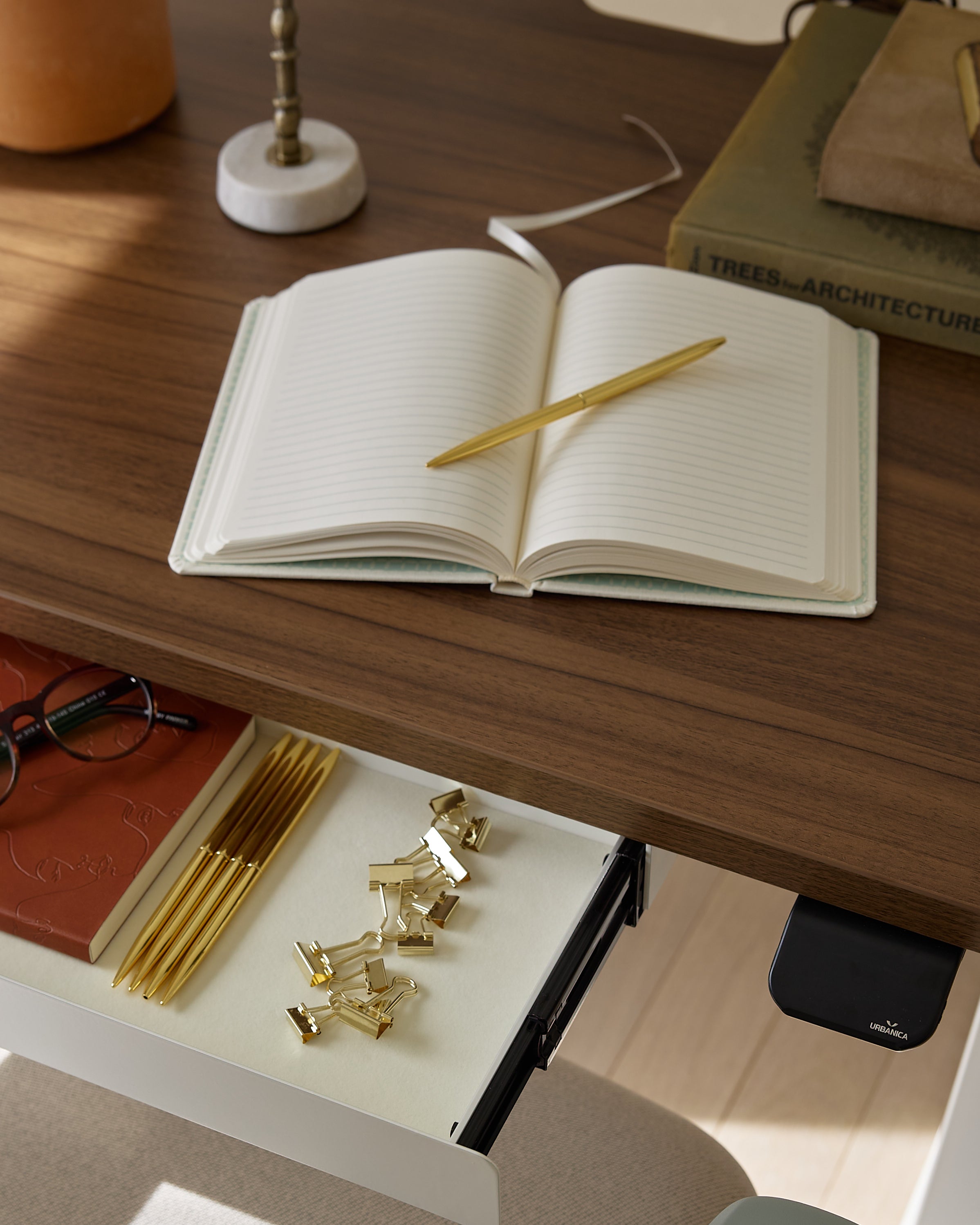
A workspace that serves many roles can quickly become messy without smart storage.
Storage should support quick cleanup so the desk can change purpose easily throughout the day.
|
Element |
Primary Function |
Added Benefit |
Best Use |
|
Adjustable desk |
Movement |
Task flexibility |
Long days |
|
Stable desk |
Focus |
Consistency |
Daily work |
|
Ergonomic chair |
Comfort |
Endurance |
Mixed tasks |
|
Screen support |
Alignment |
Clear surface |
Meetings |
|
Integrated power |
Access |
Clean layout |
Multi-device use |
The biggest mistake in workspace design is assuming needs will stay the same.
Furniture designed for one narrow purpose limits future use.
easier to reconfigure
fits new tools and routines
stays visually relevant
choose neutral finishes
prioritize adjustability
avoid bulky add-ons
Multi-functional workspaces should reset quickly.
minimal surface clutter
defined storage zones
consistent layout
A workspace that adapts smoothly helps separate work from personal time. When the desk can shift roles easily, it becomes easier to end the workday and reclaim the space for living.
This balance will matter even more in the years ahead as work continues to blend with daily life.
As workspaces take on more roles, mental clarity becomes just as important as physical comfort. A space that does too much without clear organization can feel overwhelming. The future of multi-functional workspaces depends on designs that help the mind stay focused, calm, and in control, even when tasks shift quickly.
When a desk is visually busy, the brain works harder to filter distractions. This makes it more difficult to move between deep work, meetings, and planning.
surfaces are mostly clear
tools have consistent placement
visual distractions are limited
the layout feels predictable
store non-daily items out of sight
limit décor to a few meaningful pieces
avoid stacking items on the desk
keep cables and accessories contained
Multi-functional does not mean constantly changing everything. Consistency helps the brain relax.
less time spent adjusting
faster transitions between tasks
fewer decision points during the day
keep core tools in the same locations
reset the desk at the end of each day
use the same zones for the same activities
avoid frequent full rearrangements
When a workspace supports mental clarity, it becomes easier to move between roles without feeling scattered. This balance between flexibility and order is what will define truly successful multi-functional workspaces in the years ahead.
The future workspace is not about trends. It is about function, comfort, and adaptability.
choose desks that support multiple tasks
add movement options
prioritize ergonomic seating
keep screens adjustable
integrate power cleanly
plan for storage and quick resets
avoid over-specialized furniture
design for long-term use
A workspace that adapts easily will continue to support you as work evolves. By building for flexibility now, you invest in comfort, productivity, and balance well beyond 2026.


You have unlocked free shipping!
You're saving $29 and unlocked free shipping!
Leave a comment