



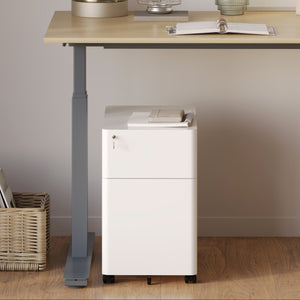






















Filing Cabinet Choices for Cleaner Workstation Planning
Cleaner workstation planning starts with filing storage that matches the desk, document volume, security needs, and daily workflow. Explore how cab...
Learn more
Visit quiz page to see how we makes it easy to create an inspiring workplace


Work is no longer tied to one location. Many professionals now split their time between home and office environments, creating the need for flexible and adaptable workspaces. This shift has made furniture more important than ever, as your setup must support productivity in different settings.
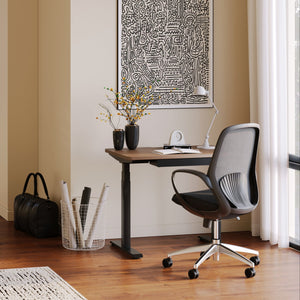
Choosing the right foundation, such as a functional Office Desk California solution, helps create a workspace that works wherever you are. A well-designed setup allows you to stay consistent, focused, and comfortable whether you are working remotely or in a shared office.
Hybrid work brings convenience, but it also introduces challenges. Switching between environments can disrupt your routine, especially if your setup is not consistent.
Many home workspaces are not designed for long hours. Dining tables, couches, or temporary desks often lack proper support. Over time, this leads to discomfort and reduced productivity.
A well-designed workspace helps:
Maintain consistency across locations
Support proper posture
Improve focus and efficiency
Reduce physical strain
Furniture that adapts to your needs allows you to transition between work environments without sacrificing comfort.
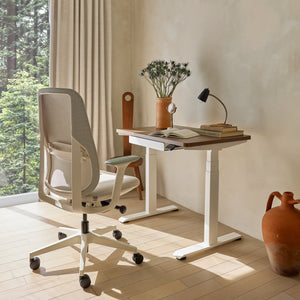
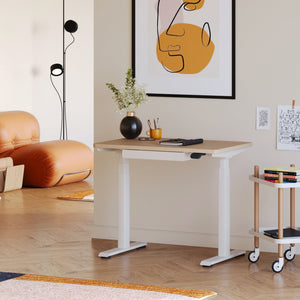
A flexible standing desk is essential for hybrid work. It allows you to adjust your setup based on your environment and daily routine.
Easy transition between sitting and standing
Improved energy levels throughout the day
Reduced strain from prolonged sitting
Better adaptability in different spaces
Look for desks that:
Adjust smoothly and quickly
Fit both small and large spaces
Provide stable support for equipment
These features make it easier to maintain a consistent workflow wherever you work.
Your home and office setups should feel similar. A structured office desk helps create familiarity, which improves focus and efficiency.
Guides like this furniture tips highlight the importance of selecting furniture that balances functionality and comfort.
Keep essential tools in the same arrangement
Maintain similar desk heights across locations
Ensure consistent monitor positioning
These adjustments help your brain transition smoothly between environments.
Comfort is not just about feeling good. It directly affects your ability to stay productive. When your workspace is uncomfortable, your focus shifts to your physical discomfort instead of your tasks.
A comfortable setup allows you to:
Stay focused for longer periods
Reduce unnecessary breaks
Maintain consistent performance
In hybrid work, where environments change, comfort becomes even more important. Your furniture should provide reliable support regardless of where you are working.
Accessories help bridge the gap between different work environments. An ergonomic arm allows you to adjust your monitor position easily, ensuring proper posture in any setup.
When switching between locations, your setup may not always be identical. Adjustable tools help maintain consistency.
Benefits include:
Better screen positioning
Reduced neck and eye strain
Improved posture
Monitor arms for flexibility
Cable organizers for portability
Compact storage solutions
These additions make your workspace adaptable and efficient.
Your chair is one of the most important elements in both home and office setups. Without proper support, long hours of sitting can lead to discomfort and reduced productivity.
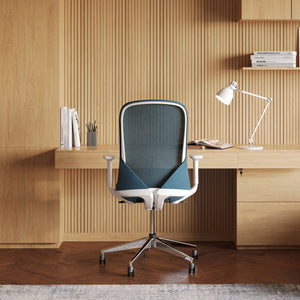
A supportive ergonomic office chair ensures consistent comfort across different environments. It helps maintain proper posture and reduces strain on your body.
When your seating remains consistent, your work experience becomes more stable and comfortable.
|
Workspace Type |
Key Requirement |
Common Issue |
Recommended Solution |
|
Home Workspace |
Space efficiency |
Limited room |
Compact adjustable desk |
|
Office Workspace |
Standardized setup |
Lack of flexibility |
Adjustable desk solutions |
|
Hybrid Setup |
Consistency |
Switching environments |
Portable ergonomic tools |
|
Seating |
Long-term comfort |
Poor posture |
Ergonomic chair |
|
Accessories |
Adaptability |
Misalignment |
Adjustable monitor arm |
Creating a routine that works in both home and office environments is essential for hybrid work success.
Start work at the same time each day
Set up your workspace before beginning tasks
Keep your layout consistent
Take regular breaks
Consistency in your habits helps you stay productive regardless of your location. A familiar setup reduces the time needed to adjust and allows you to focus immediately.
A well-designed hybrid workspace supports more than just daily productivity. It helps build long-term habits that improve your overall work experience.
Benefits include:
Better work-life balance
Increased productivity
Reduced physical strain
Improved focus and efficiency
These advantages make hybrid work more sustainable and enjoyable.
While hybrid work offers flexibility, it also comes with unique challenges that can affect both comfort and productivity. Many people struggle to maintain consistency when switching between home and office environments, which can lead to poor posture and disrupted workflows.
One of the most common issues is having two completely different setups. A well-designed office workspace may support proper posture, but a home setup might not offer the same level of comfort. This inconsistency can lead to strain and reduced efficiency.
Another challenge is limited space at home. Not everyone has a dedicated office area, which often results in makeshift workstations that are not designed for long hours.
When your workspace changes frequently, your body has to constantly adjust. This can lead to discomfort, fatigue, and reduced focus.
Switching between different desk heights
Using non-ergonomic furniture at home
Poor monitor positioning in temporary setups
Lack of organization across locations
Keep similar desk and chair heights in both locations
Use adjustable furniture that adapts to different spaces
Maintain the same monitor level and alignment
Create a dedicated work zone at home, even in small spaces
By addressing these challenges, you can create a more consistent and comfortable hybrid workspace that supports your productivity wherever you work.
A successful hybrid workspace is one that adapts to your needs. It supports your body, your workflow, and your environment.
Use a desk that adapts to different positions
Choose a chair that supports your posture
Keep your setup consistent across locations
Add adjustable accessories for flexibility
Maintain a clean and organized workspace
Build habits that support productivity
Stay mindful of your comfort and posture
When your workspace is designed for flexibility, you can work efficiently anywhere. The right furniture does not just support your work. It supports your lifestyle.


You have unlocked free shipping!
You're saving $29 and unlocked free shipping!
Leave a comment