



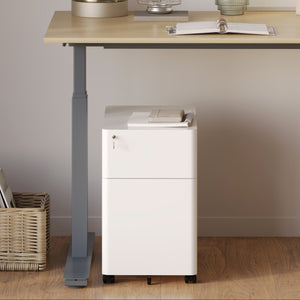






















Filing Cabinet Choices for Cleaner Workstation Planning
Cleaner workstation planning starts with filing storage that matches the desk, document volume, security needs, and daily workflow. Explore how cab...
Learn more
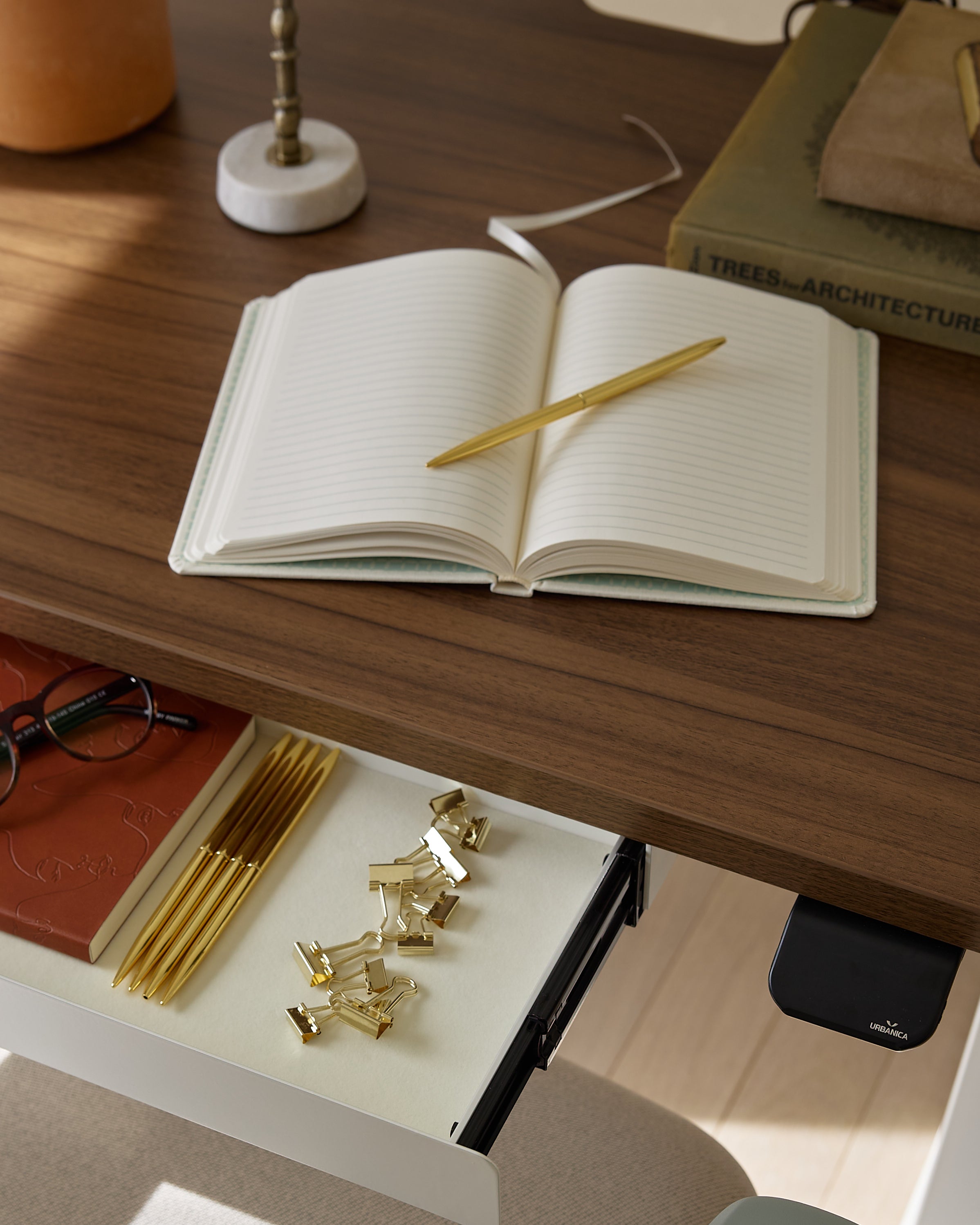
Visit quiz page to see how we makes it easy to create an inspiring workplace


A well-designed space rarely depends on color alone. What makes a room feel intentional, layered, and refined is texture. From smooth wood surfaces to soft upholstery and matte metal accents, texture creates contrast that the eye naturally responds to. When furniture textures are layered correctly, even the simplest room can feel curated rather than crowded. This guide breaks down how to layer furniture textures thoughtfully so your space feels balanced, elevated, and lived-in without tipping into visual noise.
Texture works behind the scenes. Unlike bold color or dramatic shapes, it influences how a space feels without demanding attention. Rooms that feel flat often rely too heavily on one surface type, such as glossy finishes or uniform fabrics. By mixing tactile experiences, a space gains depth and warmth.
Furniture texture also affects how people interact with a room. Hard surfaces feel clean and structured, while softer finishes invite relaxation. When both exist together, the room feels complete. This balance matters just as much in home offices as it does in living rooms and dining areas.
Layering works best when textures are intentional rather than random. Most furniture textures fall into three broad categories that can be combined strategically.
Hard textures give a space structure and definition.
Solid wood surfaces
Powder-coated metal frames
Stone or laminate finishes
Hard textures anchor furniture visually and help define zones within a room.
Soft textures bring comfort and approachability.
Upholstered seating
Fabric-covered panels
Cushioned surfaces
Soft textures prevent a space from feeling cold or overly industrial.
Natural textures bridge the gap between hard and soft elements.
Wood grain with visible knots
Linen or wool blends
Leather with a matte finish
Combining these three texture families creates visual rhythm without clutter.
Texture layering is about restraint. Adding too many competing materials can overwhelm the eye.
Choose one primary texture that sets the tone of the room. This could be wood, fabric, or metal. All other textures should support it, not compete with it.
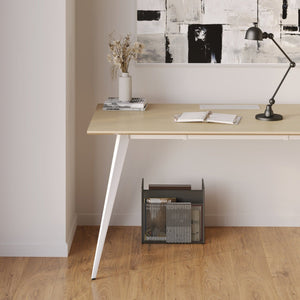
If your foundation texture is smooth wood, introduce fabric or soft upholstery to soften the look.
Accent textures should appear in smaller doses, such as metal legs or arm details.
This method keeps the room visually calm while still feeling layered.
In open or multifunctional spaces, texture helps define purpose. A workspace can feel separate from a lounge area even without walls simply by changing furniture finishes. Smooth surfaces often signal productivity, while softer materials suggest relaxation. This is especially effective in shared living and working environments where furniture must communicate function visually.
Thoughtful texture placement can also guide movement through a room. Areas with softer textures naturally slow people down, while structured surfaces promote focus and activity.
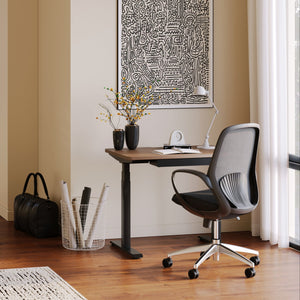
Workspaces benefit greatly from texture contrast because they often rely on practical furniture shapes.
Hard surfaces support focus, while softer textures reduce fatigue during long hours.
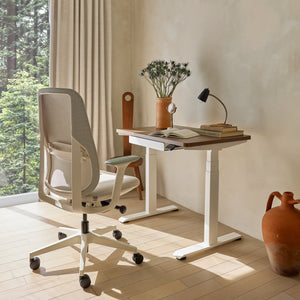
Pair a standing desk with upholstered seating to prevent a rigid feel
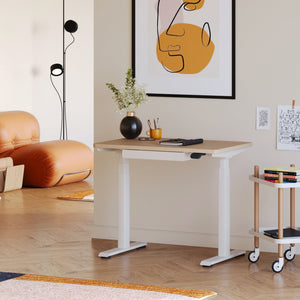
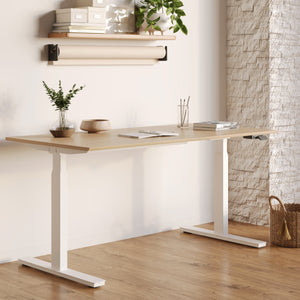
Introduce wood tones to soften metal frames
When colors stay neutral, texture differences become more noticeable without overwhelming the space.
Texture influences how people behave in a space, not just how it looks. Research shows that tactile environments affect mood, concentration, and comfort. According to insights on how interiors shape behavior, textured environments feel more engaging and less sterile . This reinforces why furniture selection matters beyond aesthetics.
In workspaces, texture can subtly encourage longer focus periods or more relaxed collaboration depending on the materials used.
|
Primary Texture |
Best Supporting Texture |
Ideal Room Type |
|
Smooth wood |
Upholstered fabric |
Home office |
|
Matte metal |
Soft seating |
Studio space |
|
Fabric surfaces |
Natural wood grain |
Living room |
|
Leather finish |
Powder-coated metal |
Executive office |
This table serves as a practical reference when planning furniture combinations.
Accessories should support the main furniture textures rather than introduce new ones unnecessarily.
Add an ergonomic arm to introduce subtle metal contrast
Keep accessories minimal to avoid clutter
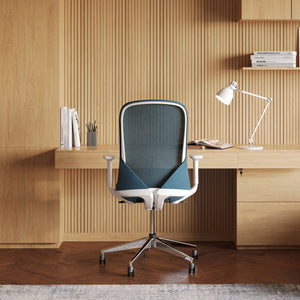
Chairs often occupy central positions and should balance both comfort and texture.
A well-designed office chair can anchor the room while complementing surrounding surfaces.
Many spaces fail not because they lack good furniture, but because textures compete. Mixing too many glossy surfaces creates glare. Too many soft textures make a room feel unstructured. The key is contrast with purpose.
Another mistake is ignoring scale. Large furniture pieces should carry calmer textures, while smaller items can afford more detail.
Before finalizing your furniture choices, walk through this checklist:
Have I chosen one dominant texture for the room?
Do supporting textures contrast without clashing?
Are hard and soft elements balanced?
Does the seating anchor the space visually?
Is the workspace both functional and comfortable?
When texture layering is done right, the room feels intentional without trying too hard. Whether you are furnishing a home office or upgrading a shared workspace, thoughtful texture choices elevate the entire experience. For those curating spaces with regional style considerations, office furniture California reflects how design-forward environments prioritize both form and function.


You have unlocked free shipping!
You're saving $29 and unlocked free shipping!
Leave a comment