



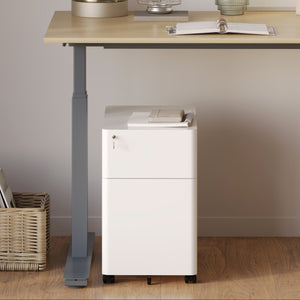



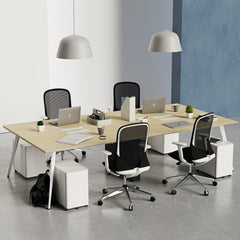
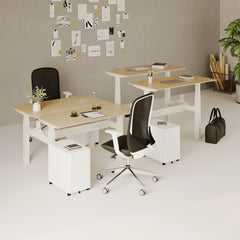
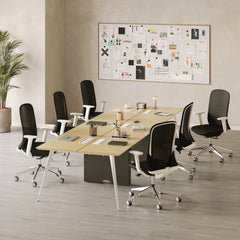


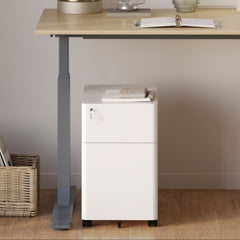


Filing Cabinet Choices for Cleaner Workstation Planning
Cleaner workstation planning starts with filing storage that matches the desk, document volume, security needs, and daily workflow. Explore how cab...
Learn more
Visit quiz page to see how we makes it easy to create an inspiring workplace


Working from home has many benefits, but it also blurs the line between professional and personal life. Without clear boundaries, work can easily spill into your evenings, weekends, and even your mental space. The key to maintaining balance lies in your environment.
A thoughtfully designed workspace, supported by reliable Office Furniture Los Angeles solutions, helps create that separation. When your workspace feels distinct and intentional, your mind learns when to focus and when to relax.
When your home becomes your office, boundaries can quickly disappear. You might check emails from your bed, take calls in your living room, or work longer hours without realizing it.
This lack of separation leads to:
Increased stress and burnout
Difficulty switching off after work
Reduced productivity
Poor work-life balance
A dedicated workspace helps your brain shift between modes. When you sit at your desk, you work. When you leave it, you rest. This simple distinction can make a significant difference in your daily routine.
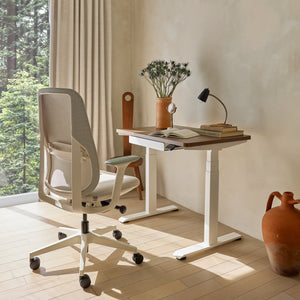
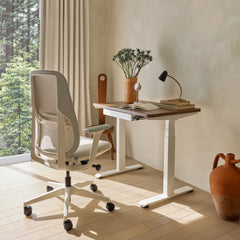
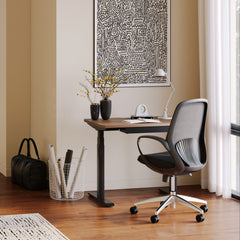
Even if you do not have a separate room, creating a defined workspace is essential. A flexible standing desk can help establish a dedicated work zone within any area of your home.
Use a specific corner or area for work only
Position your desk away from distractions
Keep work items separate from personal items
When your workspace is clearly defined, your brain associates that area with productivity. This makes it easier to concentrate during work hours and disconnect afterward.
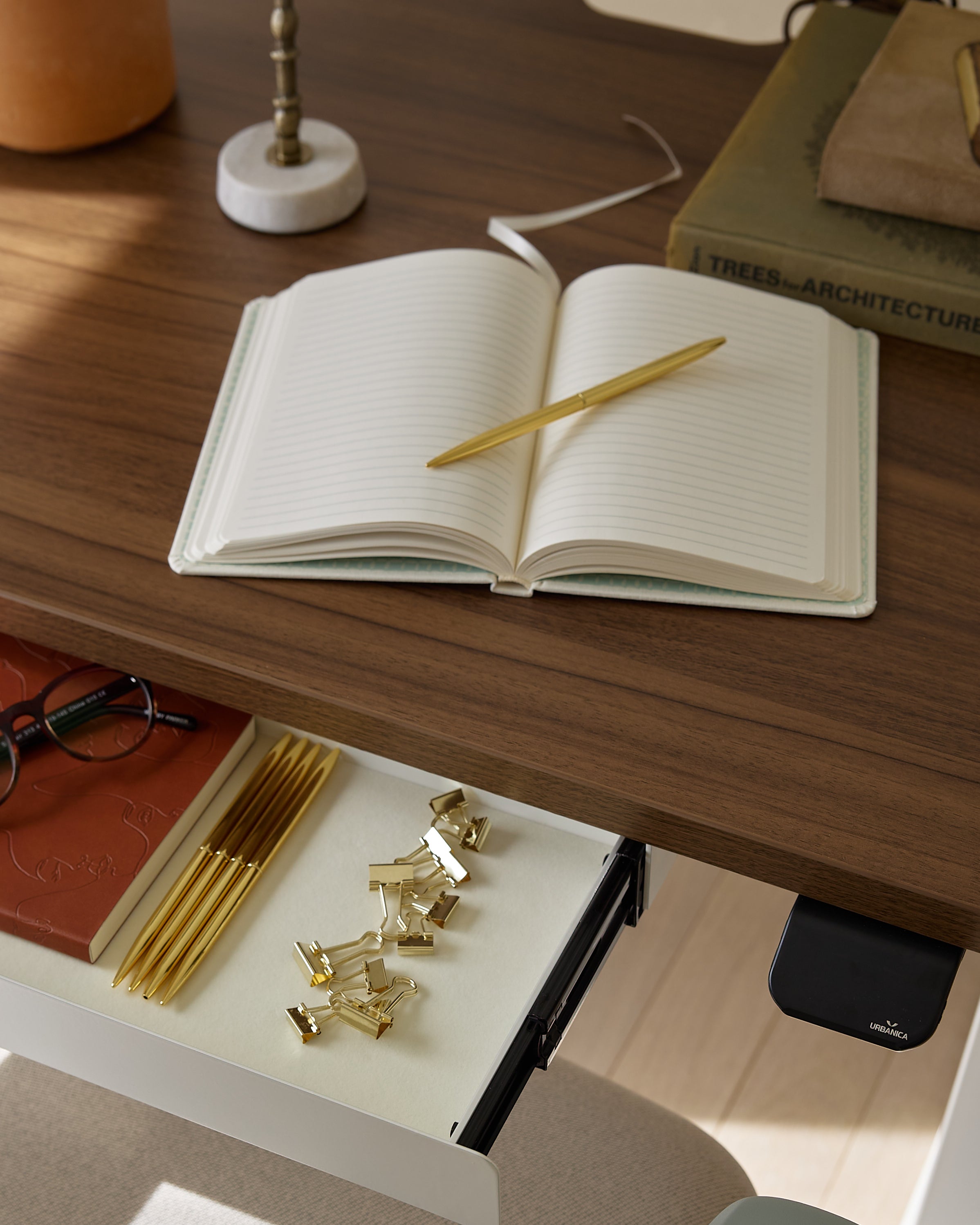
A well-organized office desk keeps your work essentials in one place, reducing the need to mix work and personal items.
Insights from this ergonomic study show how proper workstation setup supports both comfort and productivity.
Use drawers or organizers for work materials
Keep your desk clutter-free
Store personal items outside your work zone
These steps help maintain a clear boundary between work and home life.
Comfort is not just about productivity. It also plays a role in how easily you can step away from work. If your workspace is uncomfortable, you may constantly adjust or move around, making it harder to establish a routine.
A comfortable setup allows you to:
Focus fully during work hours
Complete tasks more efficiently
Step away without lingering discomfort
When your workspace supports your body, it also supports your ability to disconnect.
Accessories can help you maintain a clean and structured setup. An ergonomic arm keeps your monitor at the correct height while freeing up desk space.
A clutter-free workspace helps:
Reduce distractions
Improve focus
Create a clear work environment
Monitor arms for better positioning
Cable management for a tidy setup
Storage solutions for organization
These tools help keep your workspace distinct and efficient.
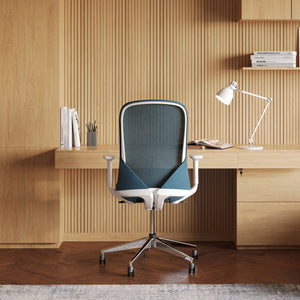
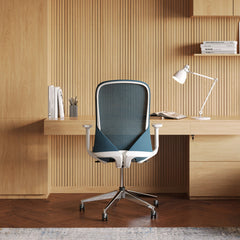
Your chair plays a key role in how long and how comfortably you work. A supportive ergonomic office chair helps maintain proper posture and reduces fatigue.
When your seating is comfortable, you can complete your tasks more efficiently. This makes it easier to finish your work on time and step away, supporting a healthier work-life balance.
|
Element |
Work Zone Purpose |
Living Space Purpose |
Key Benefit |
|
Desk Area |
Focused tasks |
Relaxation avoided |
Clear boundaries |
|
Ergonomic Chair |
Support posture |
Not used for leisure |
Reduced fatigue |
|
Organized Setup |
Efficient workflow |
Minimal clutter |
Better focus |
|
Accessories |
Productivity tools |
Not mixed with personal |
Cleaner environment |
|
Defined Space |
Work-only area |
Rest-only area |
Mental separation |
Furniture sets the foundation, but habits reinforce boundaries. A consistent routine helps your brain understand when work begins and ends.
Start work at the same time each day
Set up your workspace before beginning
Avoid working outside your designated area
End your day by organizing your desk
Shut down your computer
Clear your workspace
Physically leave your work area
These habits signal to your brain that work is finished.
Creating a clear boundary between work and home life has lasting benefits. It helps you maintain both productivity and well-being.
Long-term benefits include:
Reduced stress and burnout
Improved focus during work hours
Better work-life balance
Increased overall satisfaction
These improvements make working from home more sustainable and enjoyable.
Creating a physical boundary in your home office is only one part of the equation. Your digital habits also play a major role in separating work and personal life. Even with the best setup, constant notifications and after-hours messages can blur those boundaries.
Many people stay connected to work long after their workday ends. This makes it harder to relax and can lead to mental fatigue over time. A well-designed workspace should be supported by clear digital boundaries.
When work follows you through your devices, your brain never fully disconnects. This affects your ability to recharge and stay productive the next day.
Checking emails outside work hours
Leaving work apps open all day
Responding to messages immediately, even after hours
Mixing personal and work devices
Set specific times to check emails
Turn off work notifications after your workday
Use separate devices or profiles for work and personal use
Log out of work tools when your day ends
By combining physical workspace boundaries with digital discipline, you create a complete system that supports both productivity and well-being. This makes it easier to stay focused during work hours and fully disconnect when the day is done.
Designing a home office that separates work and life is about intention. It is about creating a space that supports focus when needed and allows you to disconnect when the day is done.
Create a dedicated workspace
Use furniture that supports comfort and posture
Keep work and personal items separate
Maintain a clean and organized desk
Build a consistent daily routine
Set clear start and end times
Step away from your workspace after work
When your workspace is designed with boundaries in mind, you gain more control over your time and energy. The right furniture helps you work better and live better every day.


You have unlocked free shipping!
You're saving $29 and unlocked free shipping!
Leave a comment