



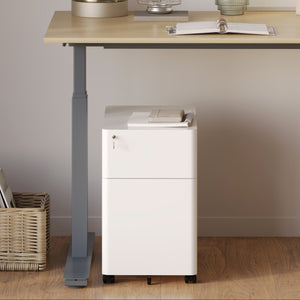






















Filing Cabinet Choices for Cleaner Workstation Planning
Cleaner workstation planning starts with filing storage that matches the desk, document volume, security needs, and daily workflow. Explore how cab...
Learn more
Visit quiz page to see how we makes it easy to create an inspiring workplace


A senior-friendly living room should feel comfortable, safe, and easy to navigate. As mobility changes with age, every piece of furniture plays a role in shaping the daily experience at home. A well-designed living room can reduce strain, prevent accidents, and support independence. The goal is to create a space that feels warm and inviting while meeting accessibility needs. This guide explores essential furniture features that help seniors move comfortably, sit securely, and enjoy their living spaces with confidence.
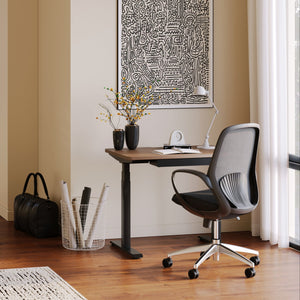
Seating is the heart of a senior-friendly living room. Comfort and stability matter, especially for those who spend significant time sitting or resting. A supportive seating option like an Ergonomic Office Chair California helps reduce joint strain and supports posture.
Reduces pressure on the lower back
Prevents slouching
Helps maintain circulation
Supports spine alignment
Makes sitting and standing easier
Look for seats with firm cushioning, stable legs, and shapes that allow easy entry and exit.
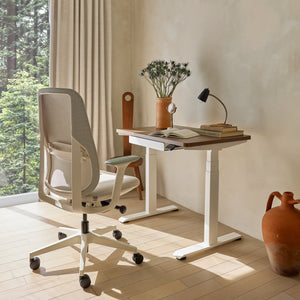
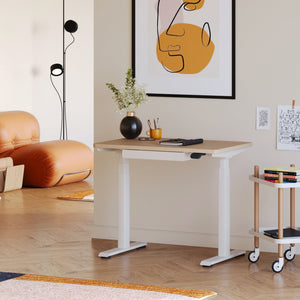
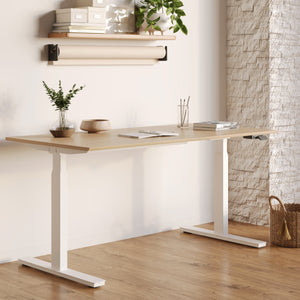
Height variation can help create zones that are easier to navigate. An adjustable height piece such as a standing desk provides flexibility for light tasks, reading, or paying bills.
Reduces awkward bending
Supports comfortable reach
Prevents strain on hips and knees
Helps seniors complete tasks without crouching
Encourages gentle posture shifts
Use taller surfaces near entry points so seniors have places to rest items without stooping.
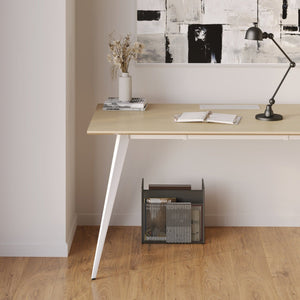
A steady and reliable piece such as an office desk provides structure to the room. Seniors often use living rooms for writing notes, organizing items, or keeping daily essentials within reach.
Smooth edges that prevent bumps
Sturdy legs that resist wobbling
Surfaces wide enough for lighting and essentials
Neutral colors that reduce visual confusion
Clean lines for easier navigation
Place a small lamp or easy-access basket on the desk to centralize important daily items.
A short ergonomic study highlights the importance of designing environments that support cognitive ease and physical comfort. Seniors benefit greatly from spaces that reduce decision fatigue and physical stress.
Simple layouts improve confidence
Clear walking paths enhance safety
Balanced lighting prevents eye strain
Supportive seating reduces cognitive load
Stable furniture increases spatial clarity
Keep furniture layouts straightforward, predictable, and free of unnecessary obstacles.
Small supportive features make a big difference for seniors. An accessory like an Ergonomic Arm provides extra stability for the shoulders and arms.
Reduce tension in upper body
Improve comfort during long sitting sessions
Add gentle structure to soft seating
Assist with posture stability
Make movements easier
Place supportive accessories where seniors rest their hands naturally to increase comfort.

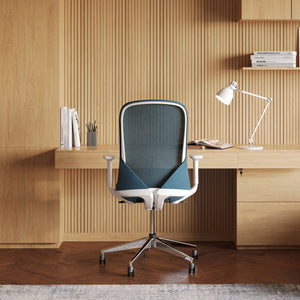
A secure, comfortable chair can help seniors move safely from sitting to standing. A supportive option such as an office chair offers ergonomic benefits that reduce joint pressure.
Stable armrests
Cushioned but firm seating
Supportive back height
Smooth but controlled movement
Balanced structure for stability
Aim for seating that allows feet to touch the ground comfortably with knees bent at a natural angle.
Texture plays a practical role in senior-friendly rooms. Soft materials increase comfort, while non-slip textures reduce risks.
Non-slip upholstery
Plush seating cushions
Smooth wooden arm surfaces
Soft rugs with grip backing
Matte finishes that reduce glare
Avoid overly slick or glossy surfaces that can cause slips or visual discomfort.
|
Feature |
Benefit |
Ideal Placement |
|
Supportive armrests |
Helps with standing |
Seating area |
|
Non-slip textures |
Reduces slips |
Rugs and upholstery |
|
Stable desk |
Anchor for tasks |
Corner or wall |
|
Adjustable height |
Custom comfort |
Work surfaces |
|
Soft lighting |
Reduces eye strain |
Seating zones |
Seniors benefit from open movement areas. Clutter-free pathways help prevent avoidable accidents and make daily activities safer.
Keep walkways at least three feet wide
Place large furniture along the perimeter
Avoid unnecessary decorative stands
Allow direct access to common items
Keep all cords secured and hidden
If someone needs to shift furniture to walk through the room, the layout is too tight.
Soft lighting improves safety and visibility for seniors. Bright, harsh lights can cause discomfort, while low lighting can increase fall risks.
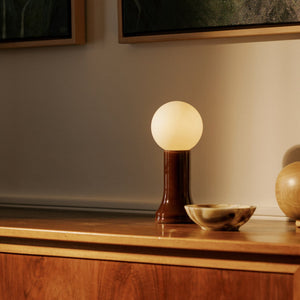
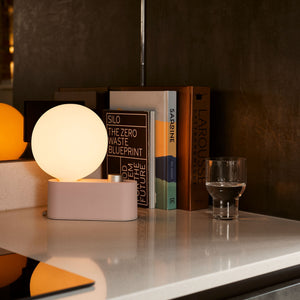
Warm table lamps
Soft overhead lights
Adjustable task lighting
Wall sconces for diffused glow
Natural light encouraged through open curtains
Avoid placing glare-heavy light directly behind seating where it can hit the eyes.
Firm, supportive seating
Safe transition chair height
Lighting that reduces glare
Non-slip textures
Open walking paths
Stable surfaces
Accessible storage
Supportive accessories
Balanced height options
Clear, predictable layout
Minimal clutter, gentle textures, and stable surfaces work together to create an environment of safety and ease. Every layer counts toward comfort.
Keep heavy pieces near walls
Use soft accessories sparingly
Add color cues for depth
Keep décor low to avoid visual clutter
Combine comfort with clean layout
Place a soft, gripped rug under main seating for stability and warmth.

A senior-friendly living room does not need to sacrifice style. Thoughtful furniture choices bring elegance and comfort while supporting accessibility. Stable seating, open pathways, gentle textures, and well-placed lighting work together to help seniors feel confident at home. With the right balance of comfort and safety, the living room becomes a place where seniors can relax, enjoy company, and move freely.


You have unlocked free shipping!
You're saving $29 and unlocked free shipping!
Leave a comment