



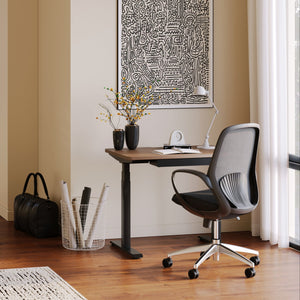
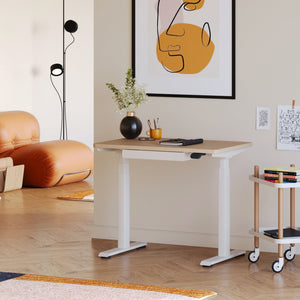
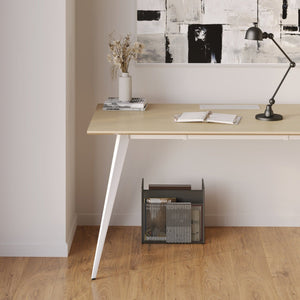
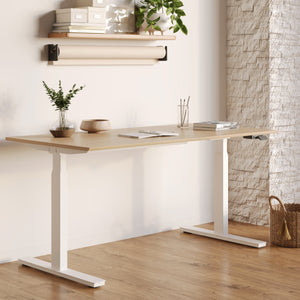
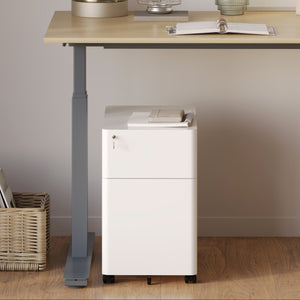






















Filing Cabinet Choices for Cleaner Workstation Planning
Cleaner workstation planning starts with filing storage that matches the desk, document volume, security needs, and daily workflow. Explore how cab...
Learn more
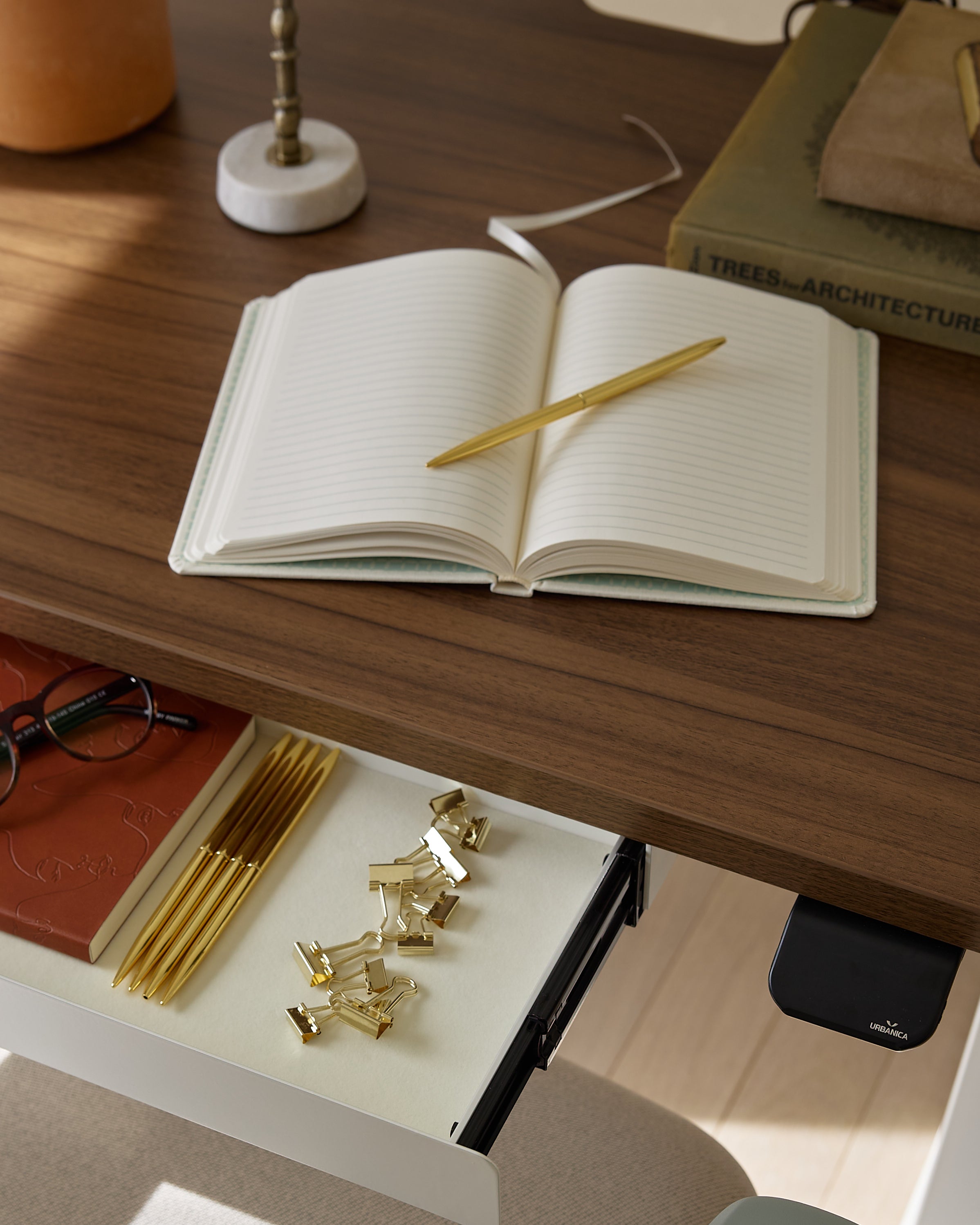
Visit quiz page to see how we makes it easy to create an inspiring workplace


It is easy to design a home that photographs well. Clean lines, coordinated colors, and carefully arranged décor can make any room look polished. But true design goes beyond appearance. A well-designed home should feel comfortable the moment you sit down, stand up, or move through the space.
Comfort is not accidental. It comes from thoughtful furniture choices that support posture, movement, and daily routines. When furniture prioritizes comfort alongside aesthetics, your home becomes more than visually appealing. It becomes functional, welcoming, and supportive of real life.
Comfort shapes how you experience your home every day. If a chair looks beautiful but causes back strain, it disrupts productivity and relaxation. If a desk fits the aesthetic but feels cramped, it creates frustration.
Choosing adaptable options such as Office Furniture Los Angeles allows you to blend thoughtful design with everyday usability. The right furniture does not compete with your lifestyle. It supports it.
When comfort is prioritized:
Movement feels natural
Posture remains supported
Energy levels stay consistent
Rooms feel inviting rather than staged
A home designed for comfort encourages you to fully enjoy the space.
Workspaces are often where discomfort begins. Long hours at a desk can lead to stiffness and fatigue if furniture does not support proper alignment.
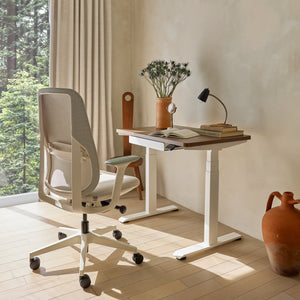
A well-designed office desk balances surface area with ergonomic positioning.
Adequate legroom
Stable construction
Smooth surface finish
Proper desk height
Keep essential tools within reach
Avoid overcrowding the surface
Position the desk near natural light
Maintain clear walking paths
When your desk supports natural posture, work becomes less physically demanding.
True comfort includes the ability to move. Remaining in one position for hours reduces circulation and increases strain.
A thoughtfully engineered standing desk provides flexibility throughout the day.
Reduced back tension
Improved circulation
Less stiffness
Increased energy
Alternate between sitting and standing
Maintain proper monitor height
Adjust gradually for smooth transitions
Keep cables organized
Comfort grows when movement becomes part of your daily flow.
Studies on workplace ergonomics, such as this design and comfort research, emphasize how the environment affects physical and mental well-being. Thoughtful design reduces strain and improves productivity.
Comfort-driven design is not indulgent. It is practical. When your body feels supported, focus improves and stress decreases.
Homes designed for comfort allow you to work, relax, and socialize without unnecessary tension.
Chairs often determine how long you can comfortably remain seated.
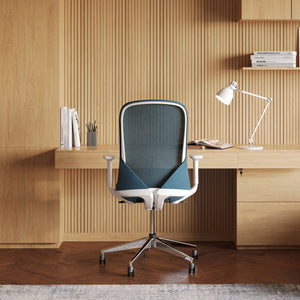
A supportive ergonomic chair aligns your spine and adapts to your body.
Adjustable lumbar support
Breathable materials
Stable base
Height flexibility
Adjust settings regularly
Keep feet flat on the floor
Avoid leaning forward excessively
Maintain consistent posture awareness
When seating feels natural, productivity becomes sustainable.
Comfort also involves reducing visual clutter. Elevating screens with an adjustable ergonomic arm creates more surface space and improves viewing angles.
Benefits include:
Reduced neck strain
Cleaner desk appearance
Better alignment
Improved cable organization
Integrating technology neatly keeps your space calm and functional.
|
Feature |
Looks-Only Design |
Comfort-Focused Design |
|
Desk Height |
Fixed |
Adjustable or ergonomic |
|
Chair Style |
Decorative |
Supportive and breathable |
|
Monitor Placement |
Surface-mounted |
Elevated and aligned |
|
Layout |
Tight for visual symmetry |
Balanced for movement |
|
Lighting |
Aesthetic |
Functional and soothing |
Comfort-focused design balances beauty with usability.
Homes often serve multiple purposes. Designing zones supports both focus and rest.
A comfortable workspace encourages efficiency.
Proper desk alignment
Task lighting
Organized surfaces
Supportive seating
Softer lighting nearby
Open layout
Minimal clutter
Comfortable textures
Zoning helps your brain transition between effort and ease.
Comfort is not only physical. A well-organized space reduces stress. Clear surfaces promote calm. Balanced furniture placement improves mood.
When rooms feel open and supportive, you naturally spend more time enjoying them. A home designed for comfort becomes a place of restoration rather than strain.
Designing for comfort ensures that beauty serves function instead of replacing it.
Comfort is not only about ergonomics and adjustability. The materials and textures you choose influence how a space feels throughout the day. Smooth surfaces, supportive cushioning, and balanced finishes all contribute to a sense of ease.
Your home interacts with you physically. The texture of a desk surface, the breathability of a chair, and the stability of a frame all shape your experience.
Smooth desk finishes that feel pleasant to the touch
Breathable seating materials that prevent overheating
Solid frames that eliminate wobbling
Durable coatings that resist scratches and wear
When materials feel high quality and stable, your body relaxes naturally.
Combine structured surfaces with soft seating
Avoid overly glossy finishes that reflect harsh light
Maintain clean lines for visual calm
Keep materials consistent across rooms
Texture and material harmony make a space feel cohesive and welcoming rather than rigid or cold.
When you design with both function and feel in mind, your home becomes a place where comfort is built into every detail, not added as an afterthought.
A beautiful home should never sacrifice well-being.
Use this checklist to design with comfort in mind:
Choose ergonomic seating
Integrate adjustable desk options
Maintain clear surfaces
Elevate monitors for alignment
Encourage movement
Balance lighting
Avoid overcrowding
Prioritize durability
Adjust layouts as routines change
Listen to your body’s feedback
When comfort becomes the priority, style naturally follows. The result is a home that looks refined yet feels welcoming. Thoughtful furniture choices create spaces where you can work efficiently, relax fully, and live comfortably every day.
Comfort should never be an afterthought in home design. The furniture you choose shapes how you sit, move, focus, and unwind every single day. When desks support posture, chairs adapt to your body, and layouts allow for flexibility, your home begins to feel effortless rather than demanding. True design balances visual appeal with physical ease. By prioritizing comfort alongside style, you create a space that supports productivity when needed and relaxation when it matters most. A well-designed home does more than look beautiful. It quietly improves your quality of life.


You have unlocked free shipping!
You're saving $29 and unlocked free shipping!
Leave a comment