



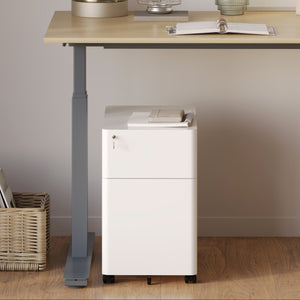

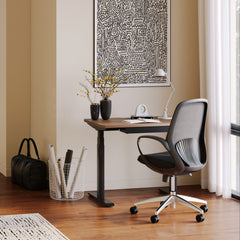
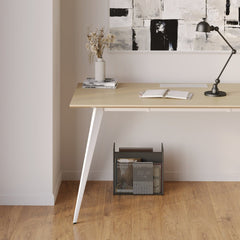
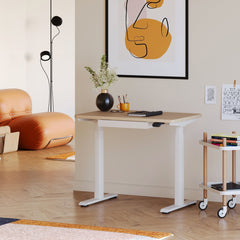

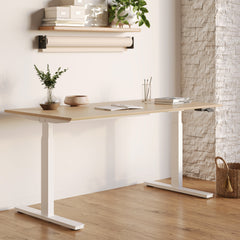





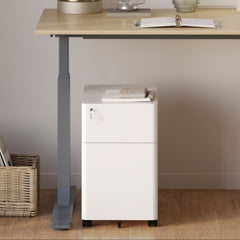

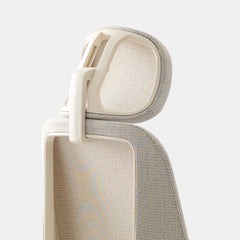
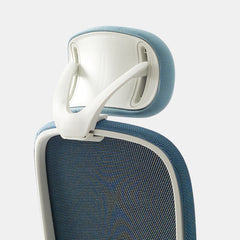

Filing Cabinet Choices for Cleaner Workstation Planning
Cleaner workstation planning starts with filing storage that matches the desk, document volume, security needs, and daily workflow. Explore how cab...
Learn more
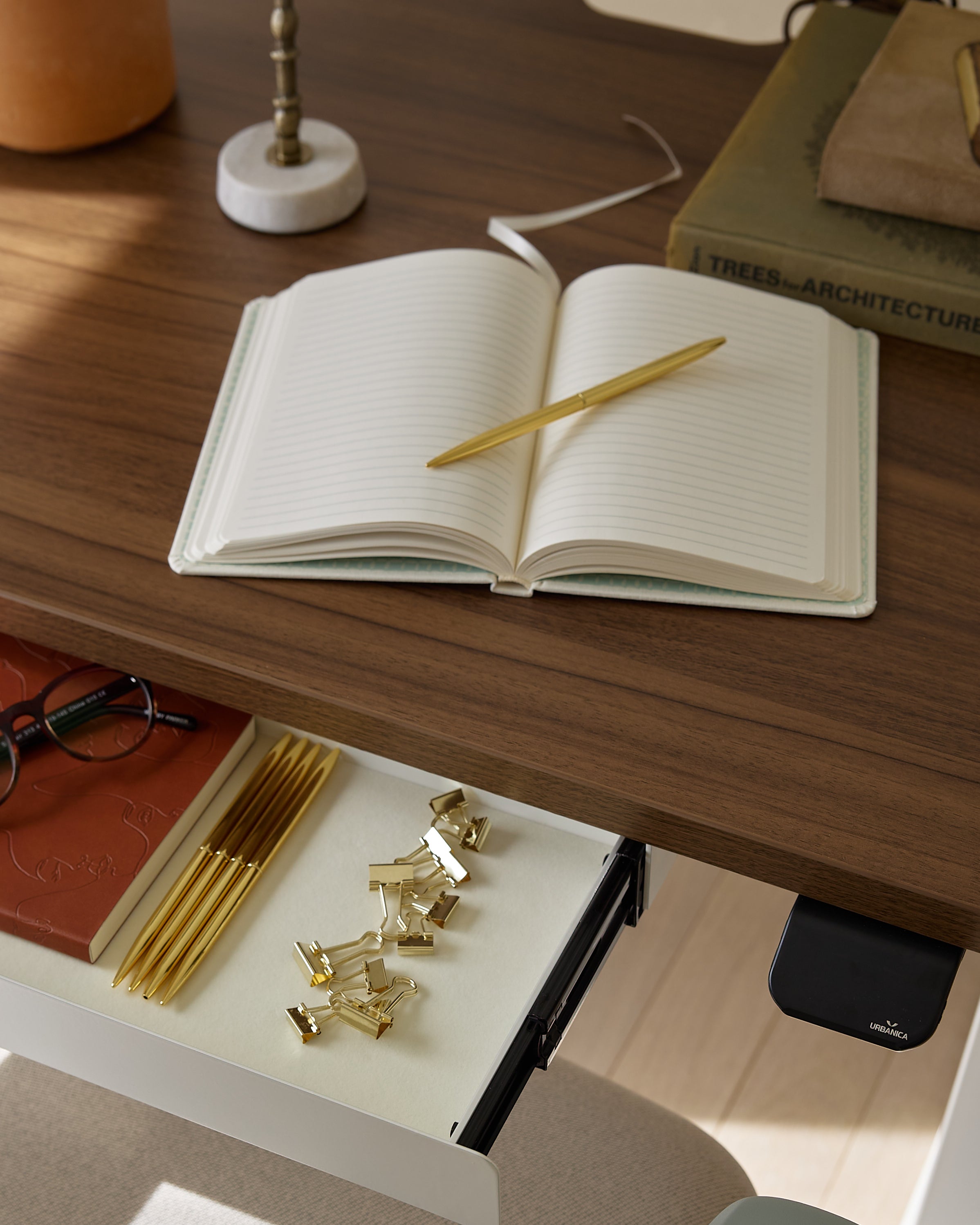
Visit quiz page to see how we makes it easy to create an inspiring workplace


Your workspace plays a bigger role in your health than you might realize. Every hour spent sitting, typing, or looking at a screen adds up. Without proper support, these daily habits can lead to discomfort and long-term issues. The good news is that small changes can make a significant difference.
Choosing the right setup, such as reliable Office Furniture Los Angeles options, helps create an environment that supports both your body and your work. A healthier workspace is not about perfection. It is about making intentional choices that improve how you feel every day.
Ergonomics focuses on designing your workspace to fit your body. Instead of forcing your posture to adjust to your furniture, ergonomic solutions support natural alignment.
Many people only think about comfort when pain appears. However, discomfort builds gradually. Poor posture, repetitive movements, and long hours in one position can lead to serious health concerns over time.
A well-designed ergonomic workspace helps:
Reduce muscle strain
Improve posture
Increase comfort
Support long-term health
When your body feels supported, your focus improves. You spend less time adjusting your position and more time completing your work.
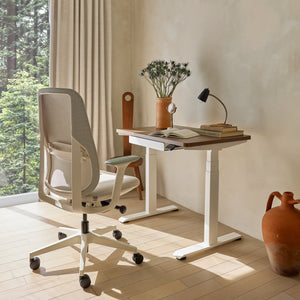
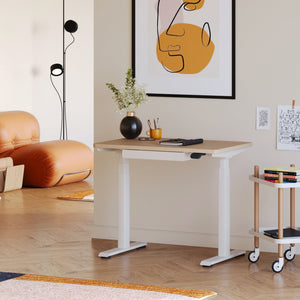
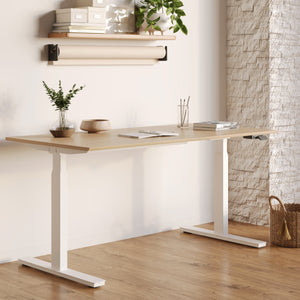
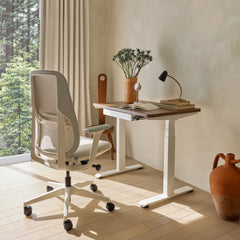
A flexible standing desk allows you to change positions throughout the day. This reduces the negative effects of sitting for long periods.
Switching between sitting and standing helps:
Improve circulation
Reduce lower back pressure
Increase energy levels
Prevent stiffness
Look for desks that offer:
Smooth height adjustment
Stable structure
Enough workspace for essentials
These features make it easier to maintain a healthy routine without disrupting your workflow.
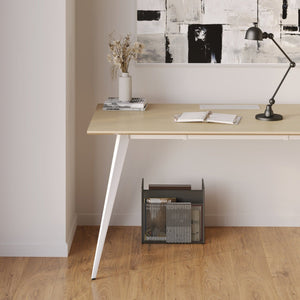
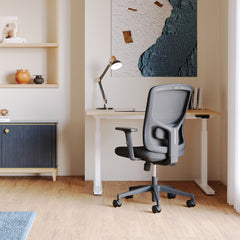
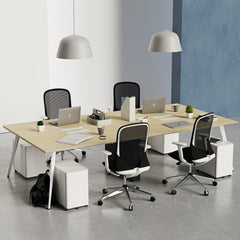
A healthy workspace is not just about one piece of furniture. It is about how everything is arranged. A well-designed office desk provides the right amount of space for your tools and keeps everything within reach.
Guidelines from this ergonomic study show that proper workstation setup can significantly reduce discomfort and improve productivity.
Keep your monitor at eye level
Align your keyboard with your elbows
Place frequently used items nearby
These adjustments help reduce unnecessary movement and maintain proper posture.
Daily strain often comes from small, repetitive actions. Reaching too far, sitting incorrectly, or looking down at a screen for extended periods can all contribute to discomfort.
Ergonomic furniture addresses these issues by supporting your natural posture. It helps your body stay in a neutral position, reducing the effort required to maintain alignment.
When your workspace minimizes strain, you experience less fatigue and greater comfort throughout the day.
Accessories play an important role in creating a healthier workspace. An ergonomic arm helps position your monitor at the correct height and angle.
Improper screen placement forces your neck into awkward angles. Over time, this leads to tension and discomfort.
With proper positioning, you can:
Maintain a neutral head position
Reduce eye strain
Improve posture
Monitor arms for flexibility
Cable organizers for a cleaner setup
Desk accessories for better organization
These small additions make a big difference in your daily comfort.
Your chair is one of the most important components of your workspace. Sitting for long periods requires proper support to prevent discomfort.
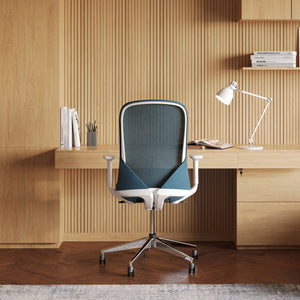
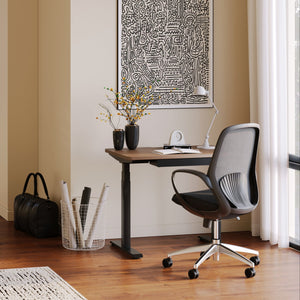
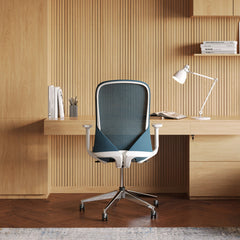
A supportive ergonomic office chair helps maintain the natural curve of your spine. This reduces pressure on your lower back and improves overall posture.
When your seating supports your body, you can work longer without experiencing fatigue or strain.
|
Workspace Element |
Key Benefit |
Problem Reduced |
Ideal Use Case |
|
Standing Desk |
Encourages movement |
Prolonged sitting |
Long work sessions |
|
Office Desk |
Organized layout |
Clutter and strain |
Daily tasks |
|
Ergonomic Chair |
Spine support |
Back pain |
Extended sitting |
|
Monitor Arm |
Adjustable screen height |
Neck strain |
Screen-heavy work |
|
Clean Setup |
Reduced distractions |
Mental fatigue |
Focused work environment |
Even the best furniture will not help if it is not used correctly. Healthy habits are essential for maintaining a comfortable workspace.
Adjust your desk and chair regularly
Take short breaks to move
Maintain proper posture
Keep your workspace organized
Consistency helps your body adapt to better habits. Over time, these small actions lead to significant improvements in comfort and health.
A healthier workspace provides more than immediate comfort. It creates lasting improvements in your overall well-being.
Long-term benefits include:
Reduced risk of chronic pain
Improved posture
Increased productivity
Better focus and mental clarity
These benefits extend beyond your workday, supporting your overall lifestyle.
Even with good intentions, many workspaces still cause discomfort because of simple setup mistakes. These issues often go unnoticed but can have a significant impact on your posture and overall health over time.
One of the most common mistakes is focusing only on one piece of furniture. For example, having a good chair without adjusting desk height or monitor position still creates imbalance. Ergonomics works best when every element supports each other.
Another issue is keeping everything static. Sitting in the same position for hours without adjusting your setup leads to stiffness and fatigue. A healthy workspace should encourage movement and flexibility.
People also tend to ignore small discomfort signals. Slight neck tension or lower back soreness may seem minor, but they are early signs that your workspace needs adjustment.
These small errors can build into long-term problems. Poor posture and repetitive strain can lead to chronic discomfort if not addressed early.
Desk height that forces your shoulders to lift
Monitor placed too low or too high
Chair without proper lumbar support
Cluttered workspace that limits movement
Adjust your chair before your desk
Keep your screen at eye level
Ensure your arms rest naturally while typing
Reorganize your workspace to reduce clutter
Fixing these mistakes does not require major changes. Small adjustments can significantly improve comfort and help create a workspace that truly supports your health.
Creating a healthier workspace is about making thoughtful choices that support your body and your work.
Use a desk that allows flexibility
Choose a chair that supports your posture
Keep your monitor at eye level
Add ergonomic accessories for comfort
Maintain a clean and organized workspace
Take regular breaks to move
Stay consistent with healthy habits
When your workspace is designed with your well-being in mind, work becomes more comfortable and productive. A healthier environment leads to better performance and a more sustainable way of working.


You have unlocked free shipping!
You're saving $29 and unlocked free shipping!
Leave a comment