



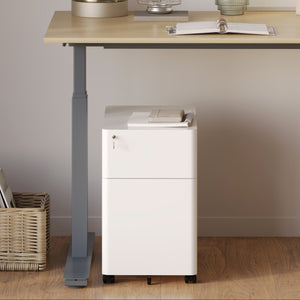






















Filing Cabinet Choices for Cleaner Workstation Planning
Cleaner workstation planning starts with filing storage that matches the desk, document volume, security needs, and daily workflow. Explore how cab...
Learn more
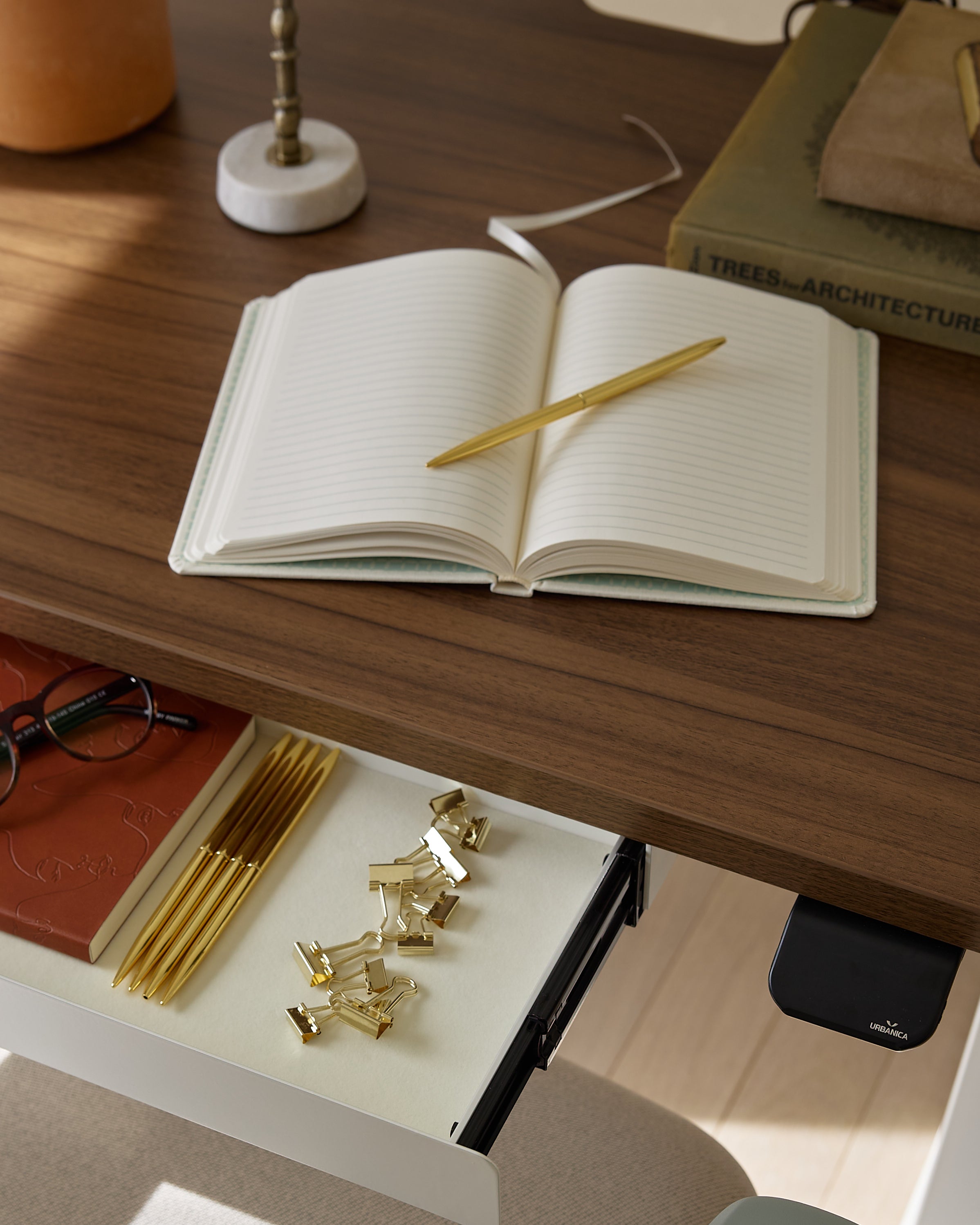
Visit quiz page to see how we makes it easy to create an inspiring workplace


Productivity is rarely about working harder. More often, it is about removing friction. The way your workspace is designed influences how easily you can focus, how long you can sustain attention, and how much energy you bring into your day. Furniture plays a central role in this process, not as decoration, but as a system that shapes posture, movement, and mental clarity. A thoughtfully designed workspace does not demand discipline. It supports it.
Most productivity advice focuses on habits, tools, or time management. Yet the physical environment quietly dictates how those habits play out. Furniture determines how your body sits, how your arms move, and where your eyes naturally rest throughout the day.
When furniture is poorly sized or awkwardly arranged, the body compensates. Shoulders tense, posture collapses, and attention drifts. Over time, these small physical stresses become mental distractions. When furniture is designed with intention, the opposite happens. The body settles, movement becomes efficient, and focus becomes easier to sustain.
A productive workspace begins with furniture that supports the way people actually work, not how they are expected to work.
The placement of a desk shapes more than movement. It influences visual input, lighting, and perceived boundaries between work and rest.
A desk that faces excessive movement or visual clutter invites distraction. Positioning the desk where the field of view is controlled helps the brain stay on task.
Face a wall or neutral background when possible
Keep high traffic areas outside your immediate line of sight
Avoid placing the desk directly in front of bright windows
A workspace anchored by a thoughtfully positioned Office Desk Los Angeles setup helps establish a sense of purpose and direction that supports concentration throughout the day.
Remaining seated for long periods reduces circulation and mental alertness. Workspaces that allow movement help maintain energy and focus.
Furniture that supports posture changes helps prevent fatigue without disrupting workflow.
Encourages micro-movements that reduce stiffness
Helps reset attention during long work sessions
Supports both deep focus and active thinking
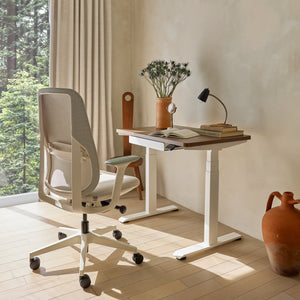
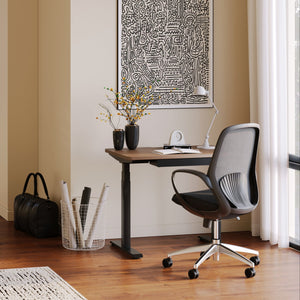
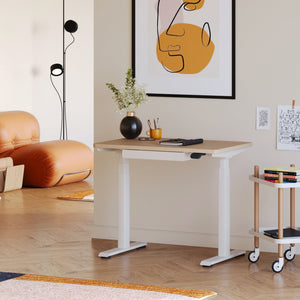
A height-adjustable setup like a work surface that supports posture changes allows the body to stay engaged while the mind remains focused.
A desk is more than a surface. It acts as a mental anchor for work-related behavior. When the desk feels intentional and balanced, it signals the brain that this space is meant for focus.
Desks that are too small encourage clutter. Desks that are too large invite distraction. The most effective designs create just enough space to organize tools while keeping the work area visually calm. This balance reduces decision fatigue and supports sustained attention.
The dimensions and finish of a desk influence how comfortable and organized the workspace feels.
Clean lines and neutral finishes reduce visual noise.
Enough depth to position screens at eye level
Adequate width for task separation
Finishes that minimize glare
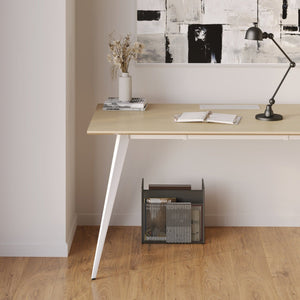
A well-proportioned primary work surface for focused tasks helps maintain order without overwhelming the senses.
Research consistently shows that physical environments affect cognitive performance. Studies on workspace design reveal that order, ergonomics, and spatial balance improve attention, task persistence, and overall satisfaction.
This research on how workspace design influences productivity highlights the connection between environmental structure and mental efficiency. Furniture that supports posture and reduces visual clutter directly contributes to better work outcomes.
|
Furniture Feature |
Productivity Effect |
|
Desk height alignment |
Reduces neck and shoulder strain |
|
Clean surface layout |
Improves focus and task clarity |
|
Supportive seating |
Increases endurance during long sessions |
|
Arm positioning support |
Minimizes fatigue and tension |
|
Storage integration |
Reduces visual clutter |
Minor ergonomic upgrades often deliver outsized productivity benefits.
Unsupported arms create tension that distracts from cognitive tasks.
Reduces shoulder fatigue
Improves typing accuracy
Encourages relaxed posture
An arm positioning solution that supports natural movement helps maintain comfort without interrupting workflow.
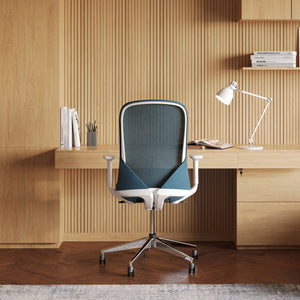
Seating influences how long you can stay engaged without discomfort. Chairs that support spinal alignment help prevent energy loss caused by constant posture correction. A chair designed for extended focus sessions allows attention to remain on work instead of physical strain.
Storage also plays a role. Visible clutter increases cognitive load. Integrated storage solutions such as workspace storage that keeps essentials out of sight help preserve visual calm while maintaining accessibility.
A productive workspace does not need to feel busy to work well. In fact, overstimulating environments often reduce concentration rather than improve it. Furniture placement plays a major role in creating visual calm that supports deep focus.
When furniture is arranged with intention, it reduces unnecessary visual inputs. Clear sightlines, balanced spacing, and defined zones help your brain understand where work happens and where it does not. This mental clarity supports longer focus sessions and smoother task transitions.
Poor placement often creates subtle distractions:
Furniture crowding the field of view increases visual noise
Overlapping functions blur the boundary between tasks
Excessive reach or turning pulls attention away from work
Thoughtful placement, on the other hand, supports focus:
Primary work surfaces face minimal movement and clutter
Storage stays accessible but outside the immediate visual frame
Seating aligns naturally with screens and tools
When furniture supports calm rather than competition for attention, concentration becomes easier to sustain. Productivity improves not because you are pushing harder, but because your environment is no longer pulling you away.
A productivity-boosting workspace does not rely on motivation alone. It relies on systems that quietly support effort. When furniture aligns with the body and the task, focus becomes easier to maintain.
Is your desk positioned to limit visual distractions
Does your setup allow posture changes during the day
Are your arms and shoulders supported
Is your seating encouraging upright alignment
Is storage reducing visible clutter
When these elements work together, productivity becomes sustainable rather than forced. The right furniture does not demand more from you. It gives more back.


You have unlocked free shipping!
You're saving $29 and unlocked free shipping!
Leave a comment