



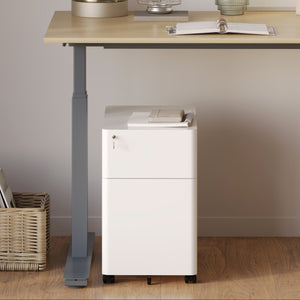






















Filing Cabinet Choices for Cleaner Workstation Planning
Cleaner workstation planning starts with filing storage that matches the desk, document volume, security needs, and daily workflow. Explore how cab...
Learn more
Visit quiz page to see how we makes it easy to create an inspiring workplace


Your living room is more than a place to sit. It is where you unwind, connect with family, host guests, and express your personal style. The way you arrange your seating influences how the room feels, how people move through the space, and even how comfortably you interact with others. A thoughtful seating layout can transform awkward corners into inviting nooks, open floor plans into warm gathering spaces, and small rooms into functional, stylish environments. This guide explores creative seating arrangements that bring flow, comfort, and personality to your living room. With the right combinations and furniture choices, you can reshape how your home feels every day.
Your primary furniture choice sets the tone for your entire living room layout. A balanced foundation begins with pieces that feel intentional and grounded. A functional Office Furniture California setup can serve as an anchor that ties together movement, comfort, and visual harmony.
It shapes the visual direction of the entire room.
It influences traffic flow and pathways.
It establishes the main seating atmosphere.
Place your primary surface or accent piece where it offers balance without blocking movement. A central anchor helps guide how other seating pieces fall into place.
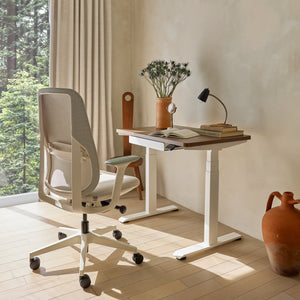
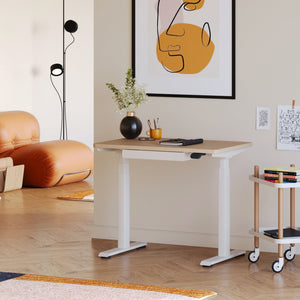
Introducing height variation helps break monotony and creates visual interest. A flexible standing desk can serve as a multi-use accent that adds height contrast to your seating arrangement. Height differences add depth and dimension, making your living room feel more dynamic.
Enhances the room’s visual flow.
Helps divide open floor plans.
Supports flexible seating when needed.
Pair tall accent surfaces with lower seating to create a layered look that feels modern and cohesive.
A well positioned office desk can be integrated into a living room to create a hybrid seating layout. This works well in shared rooms or in homes with open floor concepts. Positioning a desk behind a sofa, beside a window, or in a corner transforms the room into a multi-purpose environment.
Provides a structured zone for light tasks.
Adds a visual counterbalance to softer seating shapes.
Connects work and relaxation areas seamlessly.
Align a desk behind a sofa to build a subtle divider without using walls or partitions.
Comfort is essential when arranging a living room. A short ergonomic study highlights how posture, body support, and movement influence long-term comfort. Seating arrangements benefit from ergonomics because they guide how the body interacts with different furniture pieces.
Supportive posture makes lounging more enjoyable.
Proper spacing reduces unnecessary tension.
Balanced layouts improve social interaction.
Ensure each seat has enough space to stretch, shift, and relax without crowding others.
Comfortable seating relies on proper arm and shoulder support. Adding a supportive Ergonomic Arm to seating distribution helps elevate both comfort and posture. This works especially well when pairing lounge seating with work-friendly zones in living rooms that double as flexible spaces.
Encourages natural upper body posture.
Reduces shoulder tension during long conversations or reading sessions.
Blends function with the room’s overall style.
Choose neutral tones and simple lines so the support tool blends seamlessly with your living room furniture arrangement.

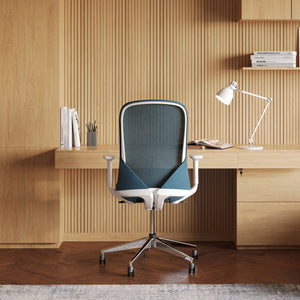
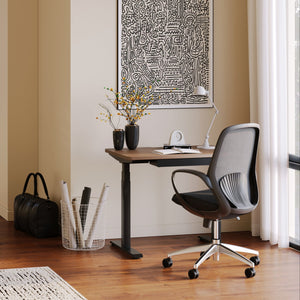
Many homes now incorporate work zones into living rooms. A comfortable office chair can be part of your seating arrangement when chosen thoughtfully. Blending ergonomic seating with lounge furniture creates a room that feels modern, flexible, and comfortable without sacrificing style.
Balances posture during long conversations.
Adds a modern touch when paired with soft textures.
Supports a multi-functional living space.
Choose colors and finishes that complement surrounding sofas, tables, and décor for a cohesive appearance.
Seating triangles form natural conversation areas. Positioning lounge chairs and sofas to face each other rather than aligning everything toward a TV creates intimacy and flow. This layout works especially well in medium-sized living rooms.
Encourages eye contact.
Opens pathways behind seating.
Makes the room feel connected.
Select three seating pieces—sofa, lounge chair, and accent chair—and place them so each side faces another without blocking walkways.
Symmetrical layouts feel calm, balanced, and orderly. Asymmetrical layouts feel dynamic and expressive. Mixing both creates a seating arrangement that feels intentional and visually interesting.
In formal living rooms.
When styling around a fireplace or central window.
In creative or eclectic interiors.
When balancing differently sized furniture.
Pair a large sofa with two differently shaped chairs for an asymmetrical layout that still feels harmonious.
|
Seating Style |
Best For |
Why It Works |
|
L-Shaped Sofa |
Corner spaces |
Maximizes seating |
|
Two Chairs + Sofa |
Conversation |
Creates balance |
|
Sofa + Bench |
Open rooms |
Flexible flow |
|
Armchairs Only |
Small spaces |
Minimal footprint |
|
Split Seating Zones |
Large rooms |
Creates sections |
Curved chairs, rounded ottomans, and soft edge sofas make it easier to navigate tight or busy rooms. These shapes reduce visual heaviness and add comfort.
Softens the energy of the room.
Helps direct movement naturally.
Creates a more welcoming atmosphere.
Use curved pieces near pathways so movement flows smoothly around them.
Combining different textures makes your seating arrangement feel rich and layered. The right mixture of fabric, metal, wood, and leather adds dimension without overwhelming the room.
Leather chair + fabric sofa.
Metal frame coffee table + soft armchairs.
Wood seating + textured ottomans.
Use no more than three primary materials to maintain harmony.
Seating Arrangement Checklist
Balanced anchor furniture
Clear pathways for movement
Proper spacing between seats
Soft curves in high-traffic areas
Height variation for visual interest
Integrated ergonomic comfort
Conversation-friendly layouts
Matching materials for cohesion
Adequate lighting around seating
Defined zones for different activities
Modern living rooms often serve multiple roles. You can design comfortable zones by grouping seating by function. This increases clarity and supports the way you move through the day.
Reading corner beside a window.
Conversation cluster at the center.
Light work nook behind the sofa.
Use rugs, lighting, and furniture placement to define clear mini-environments within the room.
Lighting affects comfort and helps define seating areas. Soft lighting encourages relaxation, while angled task lighting supports reading, working, or conversation.
Floor lamps beside lounge chairs.
Table lamps on side tables.
Warm light near conversation zones.
Avoid harsh overhead lights that flatten textures and reduce the room’s warmth.
Small rooms require creative seating arrangements that avoid clutter and maximize comfort. Choose slim-profile chairs, tight-back sofas, and multi-use pieces.
Use legged seating to lift the room visually.
Avoid bulky armrests.
Mix chairs instead of using heavy sofas.
Small spaces benefit from furniture that feels lightweight and visually open.

Your living room tells a story—one of comfort, movement, expression, and connection. The way you arrange your seating transforms how that story unfolds. Creative chair pairings, layered materials, thoughtful height variation, and ergonomic comfort help your room feel both stylish and personal. When your seating arrangement flows effortlessly, your living room becomes a place where conversations feel natural, moments slow down, and everyday life takes on a sense of ease. Your furniture becomes more than décor—it becomes a living part of how your home feels.


You have unlocked free shipping!
You're saving $29 and unlocked free shipping!
Leave a comment