



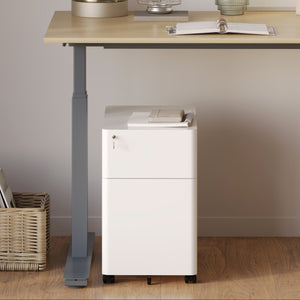



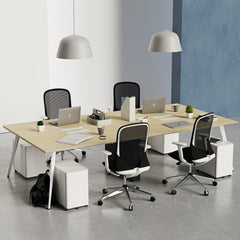
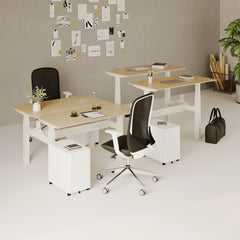
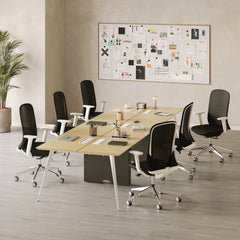


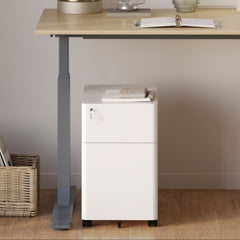


Filing Cabinet Choices for Cleaner Workstation Planning
Cleaner workstation planning starts with filing storage that matches the desk, document volume, security needs, and daily workflow. Explore how cab...
Learn more
Visit quiz page to see how we makes it easy to create an inspiring workplace


Blending different interior design styles is no longer a bold experiment reserved for designers. It has become a defining feature of modern homes. Many people love the warmth of traditional pieces but also appreciate the clean lines of contemporary design. Others are drawn to industrial accents yet crave the softness of Scandinavian simplicity. The real challenge is not combining styles. It is making them look intentional rather than accidental.
A cohesive interior does not rely on matching furniture sets. Instead, it depends on balance, proportion, color consistency, and functional anchors that ground the space. When done right, mixing styles creates depth, personality, and a home that feels lived in rather than staged.
Before bringing together multiple design influences, it is important to understand what you are blending and why. Are you combining mid-century modern with farmhouse elements? Or perhaps contemporary minimalism with industrial details?
Clarity helps prevent visual chaos. Choose one dominant style and let the secondary style act as an accent. For example, a predominantly modern living room can incorporate rustic wood textures or vintage lighting without losing its identity.
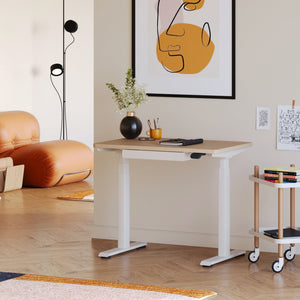
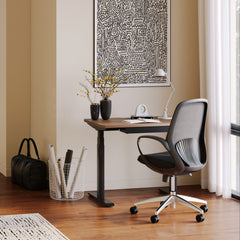
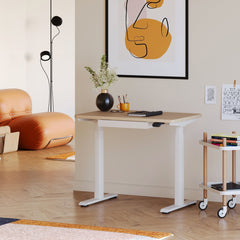
Function should guide every decision. In workspaces especially, furniture must serve both aesthetic and ergonomic needs. If you are designing a compact workspace, a well-designed Small Standing Desk California option can anchor the room while allowing flexibility and spatial efficiency. The keyword appears once here intentionally to maintain clarity and search optimization.
The key is this: your vision sets the tone, but your furniture choices create structure.
Color is the easiest way to tie different styles together. Even if your furniture varies in era or design language, a consistent color palette keeps everything connected.
Choose:
One primary color
One secondary color
One or two accent tones
Neutral bases such as warm beige, soft gray, or muted white allow statement pieces from different styles to coexist peacefully.
Materials communicate style quickly. Wood leans traditional or Scandinavian. Metal accents suggest industrial influence. Upholstered forms feel classic or contemporary depending on shape.
To blend styles effectively:
Repeat one wood tone across the room
Use the same metal finish in lighting and hardware
Balance hard surfaces with soft textiles
For example, pairing a rustic bookshelf with a sleek work surface becomes cohesive when both share similar wood undertones.
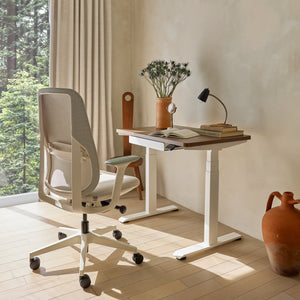
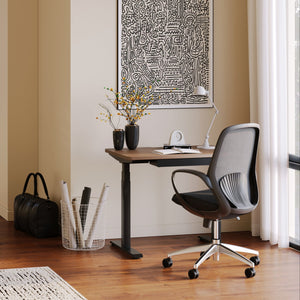
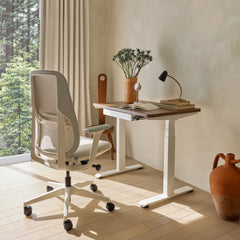
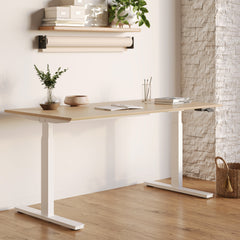
In mixed-style workspaces, a structured centerpiece helps prevent the room from feeling fragmented. A height-adjustable workspace like a modern adjustable standing workstation can serve as that anchor. Its clean lines allow it to blend into minimalist environments while still complementing industrial or transitional interiors.
When your central furniture piece is neutral yet refined, surrounding styles can shine without clashing.
Contrast adds depth. However, it must be measured.
A vintage leather chair next to a sleek glass desk creates tension that feels intentional. The goal is not to erase differences but to let them complement each other.
When mixing styles:
Keep furniture proportions balanced
Avoid oversized statement pieces competing for attention
Leave breathing space between contrasting items
If one piece is visually heavy, counter it with lighter elements.
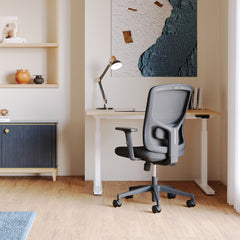
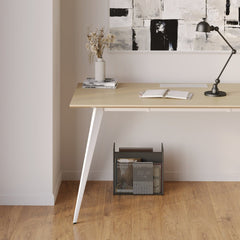
A space should feel comfortable, not just visually interesting. A well-designed contemporary office desk setup offers a structured base that allows decorative contrasts to stand out without overwhelming the room.
By combining practicality with style contrast, you maintain both function and cohesion.
Interior design is not just about aesthetics. It influences behavior, productivity, and emotional response. Research on the psychology of interior environments highlights how layout, lighting, and spatial organization affect mood and focus.
When mixing styles, psychological comfort should guide your layout decisions. Too many conflicting elements can subconsciously create stress. Cohesion reduces visual noise and increases relaxation.
To maintain harmony:
Keep pathways clear
Ensure lighting is layered
Avoid overcrowding decorative accents
The most successful mixed-style interiors feel calm rather than busy.
When styles differ, texture often acts as the bridge. Soft fabrics balance industrial metal. Smooth surfaces contrast rough wood.
Layer thoughtfully:
Woven rugs
Upholstered seating
Brushed metal accents
Natural wood finishes
Workspace accessories should support both aesthetics and health. An adjustable ergonomic monitor arm for better posture allows clean desk lines while improving screen positioning. This keeps the design minimal and adaptable across multiple styles.
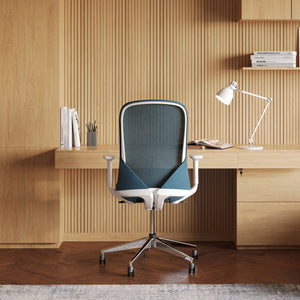
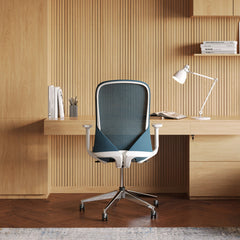
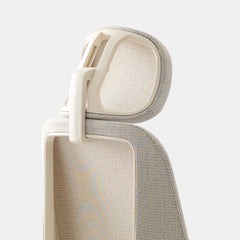
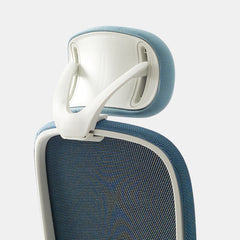
A space cannot feel cohesive if it lacks comfort. Seating plays a central role. A supportive ergonomic office chair with lumbar support integrates seamlessly into modern, transitional, or industrial interiors while maintaining physical well-being.
When comfort aligns with design, cohesion becomes natural.
Repetition creates rhythm in a room. Repeating shapes, materials, or colors subtly connects diverse elements.
For example:
Circular mirrors echo round light fixtures
Black hardware matches window frames
Wooden legs mirror open shelving
This rhythmic repetition prevents the room from feeling scattered. Even when styles differ, repeated details create a visual conversation between pieces.
Think of repetition as the invisible thread stitching your design together.
|
Primary Style |
Complementary Style |
Unifying Element |
Key Furniture Anchor |
|
Modern Minimalist |
Industrial |
Black metal accents |
Adjustable standing workstation |
|
Scandinavian |
Mid-Century |
Warm wood tones |
Clean-lined office desk |
|
Traditional |
Contemporary |
Neutral upholstery |
Structured executive workspace |
|
Industrial |
Rustic |
Reclaimed wood textures |
Height-adjustable desk |
|
Transitional |
Minimalist |
Soft neutral palette |
Ergonomic seating and desk system |
This table demonstrates that cohesion is not about eliminating contrast. It is about identifying one shared element that ties everything together.
Open-concept interiors make style mixing more visible. Without walls, everything interacts visually.
Define zones using:
Area rugs
Lighting variations
Furniture orientation
Height consistency helps unify mixed styles. Align desk heights, shelving lines, and artwork placements.
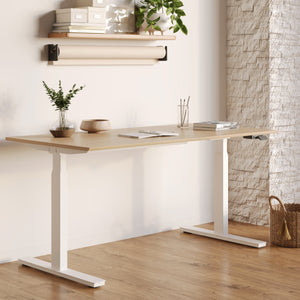
When working with standing workstations:
Keep surrounding storage proportional
Avoid mixing drastically different desk heights without intention
Use adjustable features to adapt without visual imbalance
Too many accent pieces weaken cohesion.
Instead:
Choose a few statement décor elements
Let functional furniture take visual priority
Allow negative space to breathe
Restraint makes mixed styles feel curated rather than cluttered.
Lighting can either highlight harmony or expose imbalance. A unified lighting temperature across fixtures creates consistency even if designs vary.
Warm lighting enhances wood and traditional accents. Cooler lighting suits modern and industrial styles. Mixing bulb temperatures can disrupt visual flow.
Layer lighting through:
Ambient ceiling lights
Task lighting for workspaces
Accent lighting for décor
Lighting should support productivity while maintaining aesthetic continuity.
Blending interior design styles is not about strict rules. It is about intentional choices.
Before finalizing your space, review this checklist:
Choose one dominant style
Repeat at least one material throughout the room
Maintain a consistent color palette
Anchor the room with functional, versatile furniture
Balance visual weight across the space
Layer textures carefully
Keep lighting consistent
Prioritize comfort and ergonomics
Leave breathing room between statement pieces
Ensure every item serves a purpose
When these principles guide your decisions, mixing styles becomes less intimidating and more empowering. Your home can reflect multiple influences without losing its sense of harmony.
Cohesion is not about sameness. It is about balance, intention, and thoughtful design that supports how you live and work every day.


You have unlocked free shipping!
You're saving $29 and unlocked free shipping!
Leave a comment