



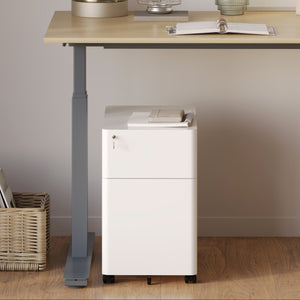






















Filing Cabinet Choices for Cleaner Workstation Planning
Cleaner workstation planning starts with filing storage that matches the desk, document volume, security needs, and daily workflow. Explore how cab...
Learn more
Visit quiz page to see how we makes it easy to create an inspiring workplace


Minimalism is not about cold white rooms and empty surfaces. It is about removing noise so the things that matter can stand out. When designing a minimalist home office, the goal is to blend clarity and comfort. Your workspace should feel clean and intentional without feeling sterile. The right furniture, soft textures, thoughtful lighting, and balanced layouts help create calm rather than emptiness. This guide explains how to create a minimalist home office that feels warm, inviting, and productive while still honoring the principles of simplicity.
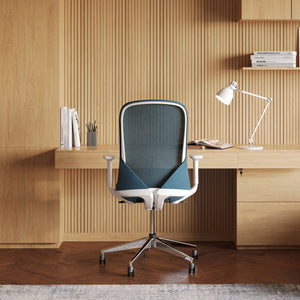
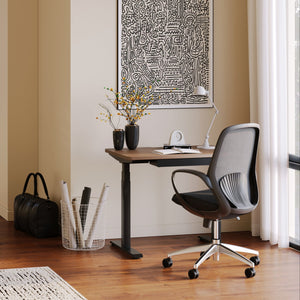
Every minimalist home office needs one strong focal point. A supportive seating option like a Los Angeles Office Chair becomes the grounding element of your workspace.
Brings focus to the room
Reduces visual clutter
Adds comfort without excess
Helps guide the rest of your layout
Keeps the room functional and balanced
Choose a piece that pairs clean lines with comfort to set the tone for your minimalist office.
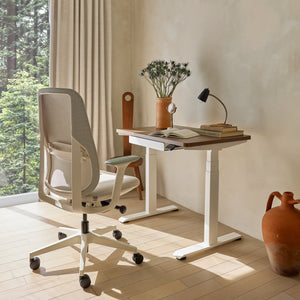
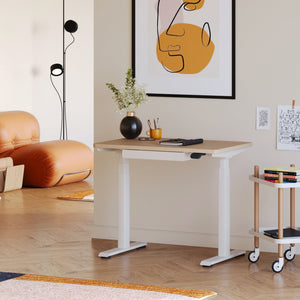
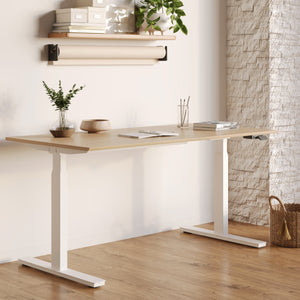
A height-adjustable surface helps your office feel structured yet flexible. A workspace that incorporates a functional surface like a standing desk allows you to shift positions without adding clutter.
Encourages healthy posture
Supports movement throughout the day
Helps reduce stress
Allows smoother workflow transitions
Prevents the stiffness that comes from static sitting
Keep your desk surface at a height that aligns your elbows comfortably to maintain a clean, neutral posture.
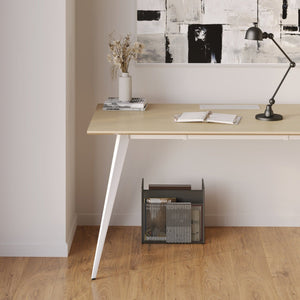
Minimalist offices work best when the furniture feels steady and intentional. A stable, clutter-resistant work surface such as an office desk creates the structure your workspace needs.
Keeps essentials organized
Prevents unnecessary movement or wobbling
Supports screens, lighting, and accessories
Creates clean, simple lines
Helps your space feel grounded
Center your desk where you can access natural light without glare to maintain calm and clarity.
A helpful minimalism study highlights how reducing clutter and simplifying environments improves mental clarity and lowers stress.
Visual simplicity reduces overstimulation
Clean lines support focus
Neutral tones promote calm
Simple layouts improve productivity
Intentional furniture enhances well-being
Choose furniture with balanced proportions, soft edges, and timeless shapes to maintain the minimalist feel.
Even in minimalist spaces, certain accessories are essential for comfort. A functional tool like an Ergonomic Arm supports your posture without disrupting your clean aesthetic.
Prevent muscle strain
Support daily movement
Add gentle structure
Enhance comfort
Support ergonomic balance
Use only a few essential accessories to maintain simplicity without sacrificing comfort.
Your seating choice affects the overall tone of your minimalist workspace. A comfortable office chair helps maintain warmth while supporting your posture.
Simple shape
Soft but supportive texture
Neutral tones
Clean frame
Balanced cushioning
Keep your chair aligned with your desk to maintain symmetry and visual calm.

Minimalist spaces risk feeling empty if the textures are too smooth or hard.
Soft fabrics
Matte finishes
Light wood grains
Cushioned elements
Subtle woven materials
Color helps soften minimalist rooms when used mindfully.
Stick to two or three tones
Use warm neutrals
Avoid sharp contrasts
Let small accents carry the color
Maintain balance across the room
Minimalist offices do not have to feel empty. Minimalism simply means choosing intentional decor.
A single plant
A framed print
A neutral desk mat
One soft throw
A small ceramic piece
Layout determines whether a minimalist office feels open or cold.
Keep pathways open
Align furniture with room proportions
Remove unnecessary items
Place key pieces in easy-to-reach places
Use spacing to create balance
Leave enough breathing space between pieces to maintain visual calm.
|
Feature |
Purpose |
Emotional Effect |
|
Soft textures |
Add comfort |
Creates a welcoming atmosphere |
|
Natural light |
Supports clarity |
Reduces harshness |
|
Neutral tones |
Promote simplicity |
Feels calm and organized |
|
Clean lines |
Reduce noise |
Encourages focus |
|
Light wood |
Adds natural warmth |
Makes space feel grounded |
Minimalism thrives when design choices are simple and intentional.
Too many decorative objects
Sharp contrasts in color
Busy patterns
Excessive furniture
Large or overwhelming artwork
Choose one design feature to highlight and let everything else support it quietly.
Neutral color palette
Clean, simple desk
Supportive seating
Soft lighting
A few grounding textures
Incremental color accents
Height-adjustable elements
Clear pathways
Functional accessories
Intentional layout
Lighting determines whether a minimalist space feels cold or inviting.
Soft warm desk lamp
Even wall lighting
Avoid harsh overhead bulbs
Place lighting at comfortable angles
Let daylight brighten the space naturally
Use lighting to soften edges and create visual warmth.

Minimalist home offices feel inviting when the design supports clarity, comfort, and personality. By blending clean lines with gentle textures, using neutral tones, and incorporating supportive seating, you can create a workspace that feels peaceful rather than empty. Thoughtful furniture choices, balanced lighting, and intentional placement help you build a minimalist office that feels warm, focused, and enjoyable every day.


You have unlocked free shipping!
You're saving $29 and unlocked free shipping!
Leave a comment