






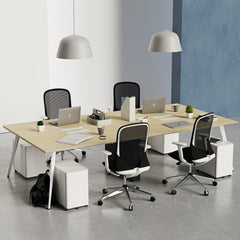
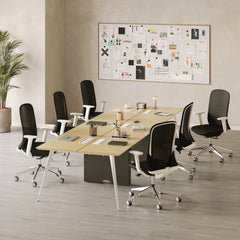


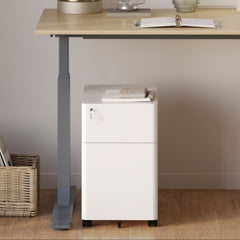


Filing Cabinet Choices for Cleaner Workstation Planning
Cleaner workstation planning starts with filing storage that matches the desk, document volume, security needs, and daily workflow. Explore how cab...
Learn more
Visit quiz page to see how we makes it easy to create an inspiring workplace


Choosing furniture is not only about filling empty rooms. It is about shaping how a home feels, moves, and functions every single day. When furniture matches the home’s theme, spaces feel calmer, more intentional, and easier to live in. Without a clear theme, even high-quality pieces can feel disconnected and uncomfortable over time. Understanding how to choose furniture based on your home’s theme helps prevent costly mistakes and creates a space that feels cohesive rather than cluttered.
A home’s theme acts as a visual guide. It influences color choices, furniture shapes, materials, and layout decisions. Without this guide, buying furniture often becomes impulsive. Pieces may look good individually but fail to work together. A theme does not mean strict rules. It provides direction, allowing flexibility while keeping the overall look consistent.
Homes with a defined theme feel more welcoming because the eye can move naturally from one area to another. Furniture that follows the same visual language creates balance, making spaces feel purposeful rather than chaotic.
Before buying furniture, observe what already exists. Flooring, wall color, ceiling height, and natural light all influence how furniture should look and feel in the space.
Overall brightness of the space
Existing textures such as wood, tile, or fabric
Architectural details like beams or trim
Furniture should support these features instead of competing with them. In a space with warm tones, overly cool furniture can feel out of place. In a modern layout, bulky furniture may overwhelm the room.
Furniture shape affects how open or closed a space feels. Clean lines create structure, while curved forms soften the room.
Straight lines suit modern and minimalist homes
Rounded edges work well in relaxed or family-oriented spaces
Low-profile furniture keeps rooms feeling open
When shapes are consistent, furniture feels connected even across different rooms. This creates harmony without relying on matching sets.
Material choice is just as important as shape. Materials influence durability, comfort, and visual weight. Wood, metal, fabric, and glass each bring a different energy to a space. Selecting materials that align with the home’s theme ensures long-term satisfaction.
For example, lighter materials reflect more light and help smaller spaces feel larger. Heavier materials add grounding but should be used thoughtfully to avoid visual heaviness.
Furniture must support how the space is actually used, not how it looks in photos.
Frequency of use
Number of people using the space
Need for flexibility or storage
Furniture that fits your routine while maintaining the home’s visual direction prevents frequent replacements and frustration.
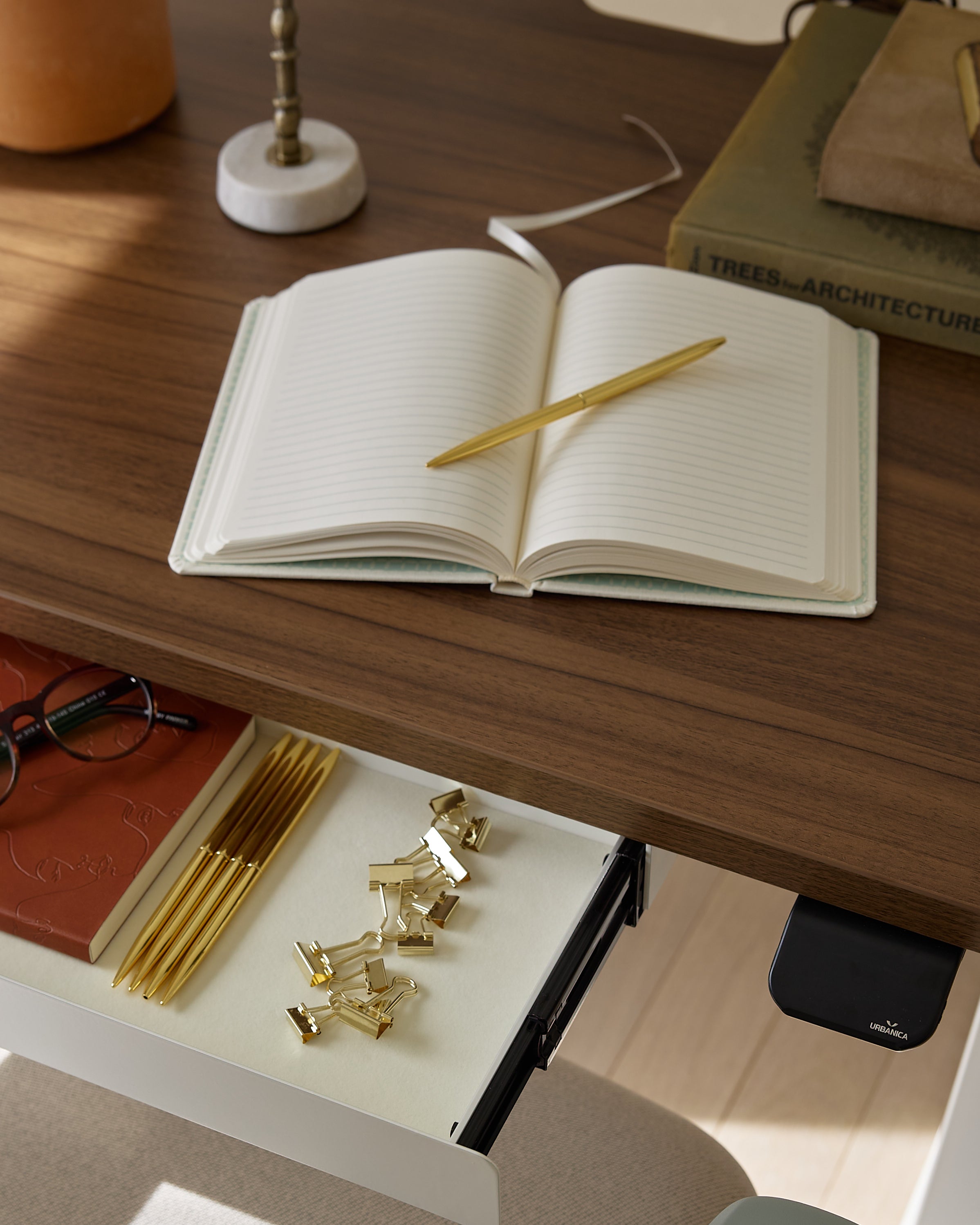
Workspaces deserve special attention. Many homes now include work areas that blend into living spaces. Furniture in these areas should feel intentional rather than temporary.
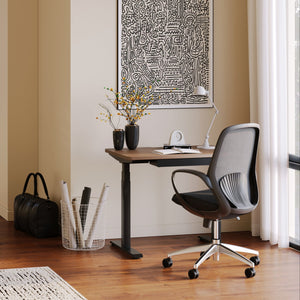
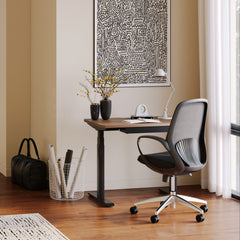
A well-chosen desk supports posture, organization, and focus. For those setting up a home workspace that aligns with the overall look, Office Desk Los Angeles fits seamlessly into themed interiors while supporting daily productivity.
|
Furniture Element |
Purpose |
Visual Impact |
Best Use |
|
Desk |
Work |
Structure |
Home office |
|
Chair |
Seating |
Comfort |
Daily use |
|
Storage |
Order |
Balance |
Small spaces |
|
Accent pieces |
Detail |
Depth |
Visual interest |
Even the right furniture can feel wrong if placed poorly. Layout affects comfort, movement, and mood.
Maintain clear walking paths
Avoid blocking natural light
Keep furniture proportional to room size
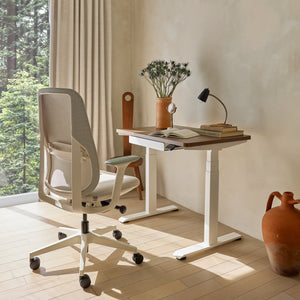
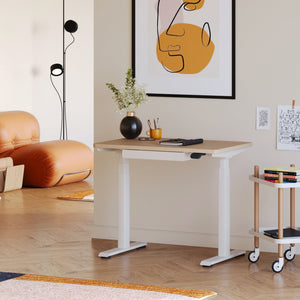
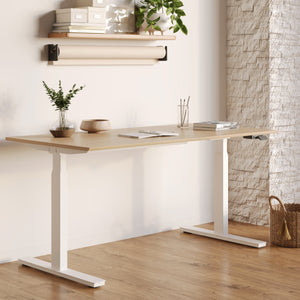
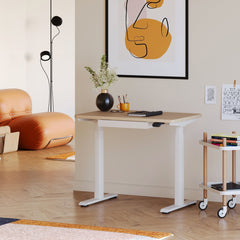
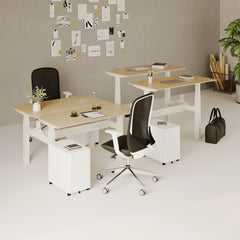
An adjustable standing desk allows flexibility while keeping the workspace visually aligned with the rest of the home.
Comfort should never be sacrificed for appearance. Furniture that looks good but feels uncomfortable eventually disrupts daily routines. Ergonomic support improves both physical comfort and long-term usability.
Research on ergonomic seating principles highlights how proper support improves focus and reduces strain, especially in work environments.
Minor features often determine whether furniture feels finished or incomplete.
Arm support height
Edge finishes
Surface textures
Adding ergonomic arm support improves comfort without changing the visual theme of the room.
Seating plays a major role in how long people can comfortably stay in a space. Chairs should feel supportive while visually blending into the room.
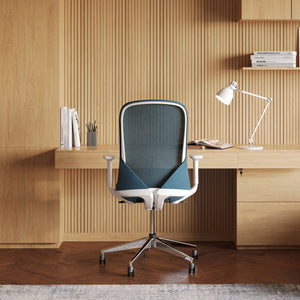
A supportive office chair maintains comfort during long hours while fitting cleanly into various interior styles.
Furniture should adapt as needs change. A home’s theme should allow flexibility rather than force constant updates. Timeless pieces with neutral finishes remain useful as layouts evolve.
Furniture that adapts well supports sustainability by reducing unnecessary replacements and waste.
Choosing furniture based on your home’s theme is about consistency, comfort, and intention. When furniture aligns with how a space looks and how it is used, daily life feels smoother and more comfortable.
Before finalizing your choices, consider this checklist:
Does the furniture match the home’s overall look?
Does it support daily routines comfortably?
Is it proportional to the space?
Will it remain useful as needs change?
Does it contribute to a calm, balanced environment?
Thoughtful furniture choices turn a house into a home that feels cohesive, practical, and welcoming.
Furniture does not exist in isolation. The way it looks and feels in a room is strongly influenced by lighting. This is often overlooked when choosing pieces based on theme, but it plays a major role in whether furniture blends in or feels out of place. Natural light, warm light, and cool light each interact differently with materials, finishes, and colors.
In homes with large windows, lighter furniture materials tend to reflect daylight and make the space feel open. Wood with a soft finish, matte surfaces, and neutral tones work especially well in these settings. In contrast, rooms with limited natural light benefit from furniture that avoids heavy gloss or dark finishes, which can absorb light and make the space feel smaller.
Artificial lighting also affects how furniture reads within a theme. Warm lighting pairs well with cozy, relaxed styles, while cooler lighting supports modern and structured interiors. When choosing furniture, it helps to imagine how it will look both during the day and at night. A piece that feels balanced under one type of light may feel mismatched under another.
Practical considerations matter as well. Furniture placed near task lighting should not create glare or harsh reflections. This is especially important in work areas, reading corners, or multipurpose rooms. When furniture and lighting are considered together, the result is a space that feels intentional and visually comfortable rather than accidental or inconsistent.


You have unlocked free shipping!
You're saving $29 and unlocked free shipping!
Leave a comment