



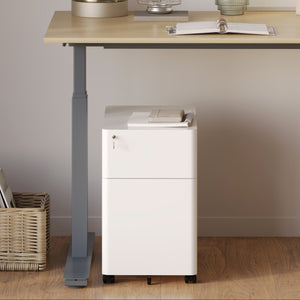





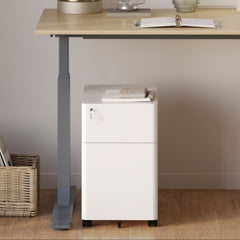


Filing Cabinet Choices for Cleaner Workstation Planning
Cleaner workstation planning starts with filing storage that matches the desk, document volume, security needs, and daily workflow. Explore how cab...
Learn more
Visit quiz page to see how we makes it easy to create an inspiring workplace


Space has become a premium and roles have multiplied. Homes double as offices, studios, classrooms, and wellness zones. We design furniture at Urbanica to respond to shifting days, not to freeze them in place. Compact tables that change with your routine are practical objects and behavioral tools that reshape how rooms work and how people move through them.
An adaptive table is more than a small surface. It brings mechanisms, proportions, and materials together to support multiple activities without adding clutter.
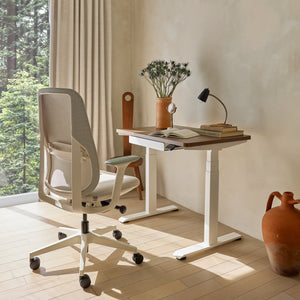
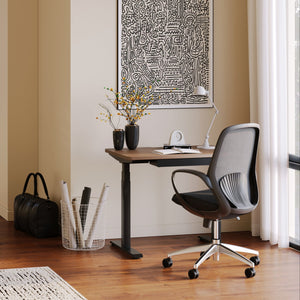
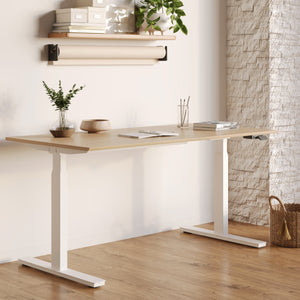
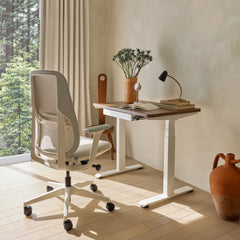
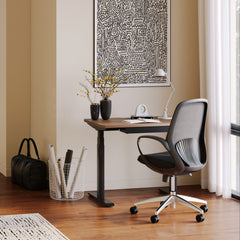
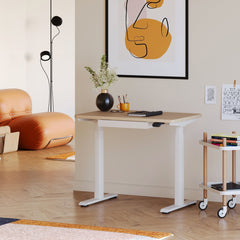
Adjustable height is essential for tables expected to evolve throughout the day. A surface that rises for standing tasks and lowers for focus work supports natural posture changes. One example of this versatility is seen in the adjustable standing desk, which demonstrates how a compact footprint can still offer meaningful height range for a wide variety of activities.
Micro-adjustments help fine tune wrist position, screen angle, and reach. When a table accommodates these subtle shifts, it supports healthier working habits and adapts naturally to different users.
A successful compact table occupies minimal visual and physical space. Slim depths, clean leg geometry, and collapsible elements allow the table to function inside tight corners, small offices, or live-work setups. Footprint efficiency helps maintain flow, even in high-traffic rooms.
The surface must handle writing, typing, drawing, meal prep, or light project work. Low-glare finishes support screen use. More resilient materials stand up to daily wear. The right surface material ensures the table remains dependable as tasks change.
Routines rarely move in straight lines. Adaptive tables help people shift smoothly between modes.
Movement supports comfort and concentration. When a table quickly transitions between heights, users maintain better alignment during long sessions. A stable seated setup may serve deep work while a standing posture offers refreshed energy for creative tasks or planning.
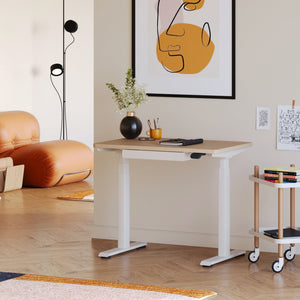
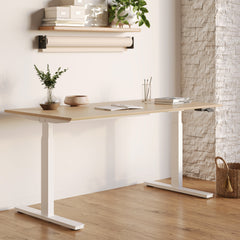
Small homes often include overlooked pockets that can become meaningful work zones with the right furniture. The small-scale standing desk shows how a compact vertical workspace can open up narrow spaces, closets, or unused corners. By turning micro areas into practical stations, users gain additional room without expanding their floorplan.
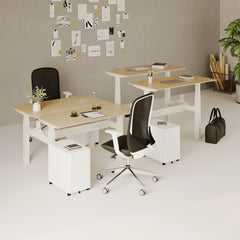
When more than one person relies on the same space, flexibility prevents friction. A thoughtfully engineered two-person setup, such as the two-person height-adjustable desk, allows partners or roommates to work simultaneously while choosing their own height preference. This balance reduces the need for separate workstations and respects individual comfort.
Workplaces also benefit from compact tables that support changing schedules and team dynamics.
Teams fluctuate throughout the week. Compact tables let work areas shift from individual deep-focus setups to meeting clusters on demand. This responsiveness helps ensure that even small offices feel open and adaptable.
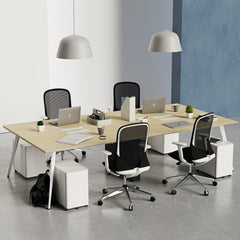
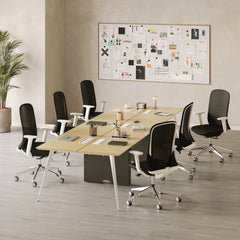
For teams that need higher seating density without compromising comfort, structured configurations help maintain clarity and organization. A four-person workstation layout supports shared workflows within a compact footprint. When a group grows or rotates, a six-person desk configuration offers additional seating while preserving order and circulation.
Good circulation is essential. Thoughtful spacing ensures desks remain comfortable even in compact arrangements. Proper clearances, walking lanes, and reach zones turn small floorplans into productive environments.
Selecting the right table is about matching behavior, space, and comfort.
Consider how the table will be used over the course of a day. Deep surfaces support dual monitors and sketching. Slimmer ones fit well in hallways or multipurpose rooms. Table width affects chair placement and the ability to move around the surface, especially in narrow floorplans.
The table’s height range should comfortably support both seated and standing use for the intended users. A well-chosen table allows natural transitions between heights without strain or awkward adjustments.
Different activities call for different materials. Low-sheen surfaces are ideal for visual tasks while durable finishes withstand craft tools or daily household use. Matching the finish to the routine extends the table’s usability.
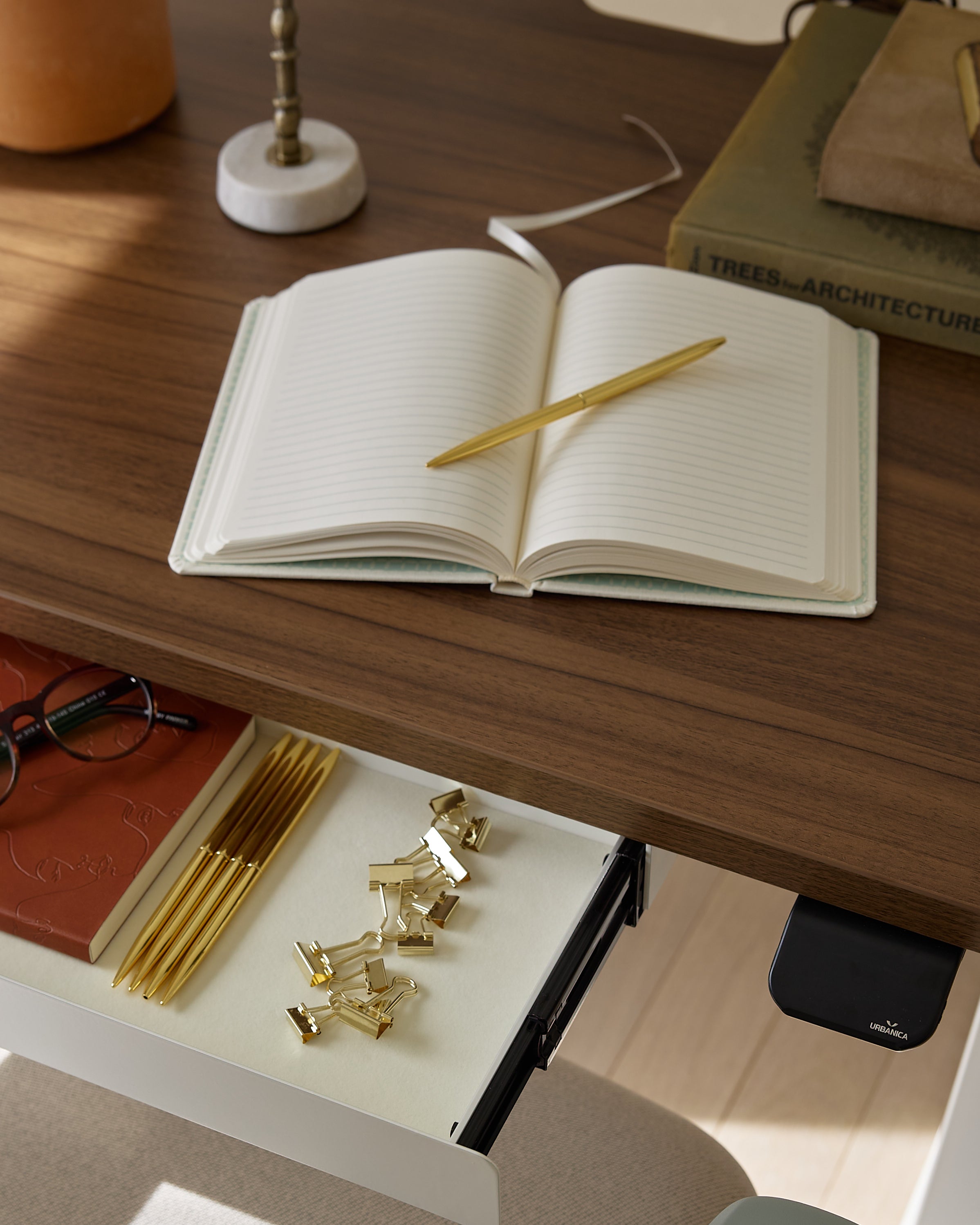
Organized cables and minimal accessories preserve simplicity. Under-surface trays or small vertical organizers help prevent clutter. The goal is to maintain the table’s compact advantage without adding bulk.
Healthy movement and alignment are built through consistent habits and supportive furniture.
Elbow height, wrist neutrality, and screen position all affect comfort. Height-adjustable tables support these needs by allowing users to fine-tune the surface rather than relying on improvised solutions.
Compact tables should encourage subtle posture shifts. Standing for certain tasks, sitting for others, and repositioning equipment during breaks all contribute to long-term comfort.
Responsible use relies on dependable information. Organizations offering public guidance on ergonomic behavior, such as the ergonomic workplace standards, provide baseline recommendations for safe posture and daily movement strategies.
Adaptable compact tables work in diverse settings, each with different needs.
In a single-room home, one table can handle morning laptop work, midday meals, and evening creative projects. Height adjustments and a compact surface keep the space open and manageable.
A single adaptable table can support homework, snacks, and family planning. The ability to adjust height lets children and adults use the same surface comfortably.
Compact tables allow teams to reconfigure from individual stations to quick standup clusters. This adaptability creates a shared space that stays functional even as tasks change.
Longevity comes from proper care and routine checks.
Use gentle cleaners appropriate for the surface material. Soft cloths protect finishes and help prevent wear over time.
Periodic checks on lift mechanisms, fasteners, and structural joints ensure reliability. Addressing small issues early helps maintain smooth operation.
Adding a monitor arm, compact storage tray, or task lighting can refresh the table’s usefulness without compromising its compact nature.
Thoughtful layout choices enhance how well a compact table performs.
Placing tables near well-controlled daylight helps reduce eye strain and creates a more pleasant work environment.
A clean buffer around the table enables standing transitions, shared use, and comfortable movement.
Using wall space preserves floor area and keeps the table flexible for different uses.
Subtle design features have long-lasting effects.
Stability supports confidence during height changes and multitasking.
A visually quiet table blends into its surroundings and reconfigures easily.
Light, stable tables or models with secure castors support movement between activities without sacrificing safety.
Adaptive tables do more than save space. They help people work, move, and live with more fluidity. When a table adjusts to the moment, the room adapts with it. This flexibility supports healthier habits, reduces clutter, and allows rooms to serve multiple meaningful roles throughout the day.


You have unlocked free shipping!
You're saving $29 and unlocked free shipping!
Leave a comment