



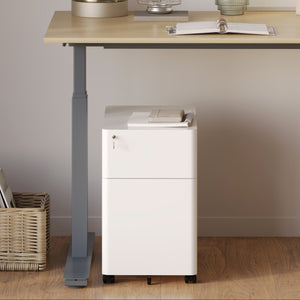






















Filing Cabinet Choices for Cleaner Workstation Planning
Cleaner workstation planning starts with filing storage that matches the desk, document volume, security needs, and daily workflow. Explore how cab...
Learn more
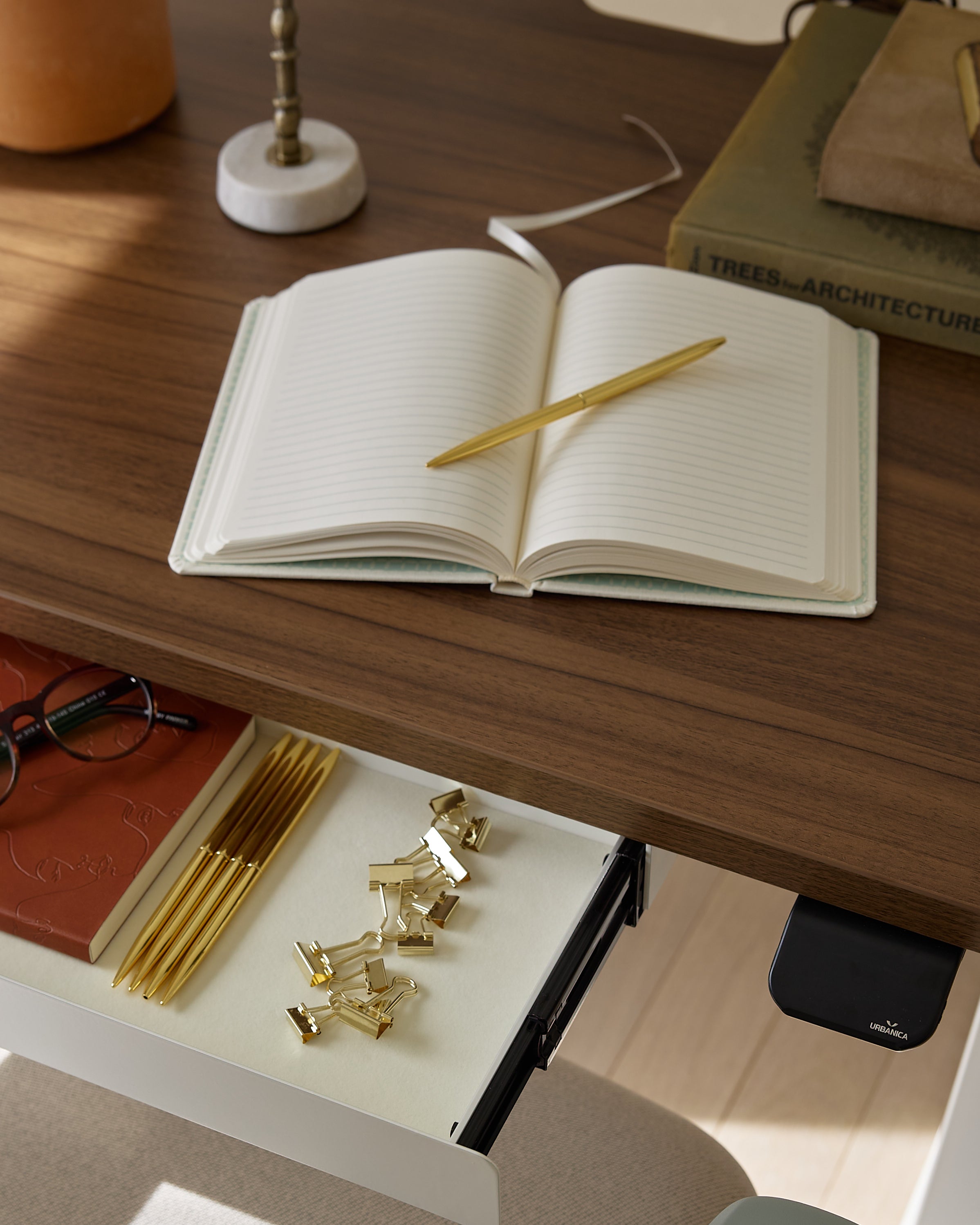
Visit quiz page to see how we makes it easy to create an inspiring workplace


Apartment living changes the way a standing desk should be chosen. In a larger home, a desk can be judged mostly by work surface and appearance. In an apartment, the desk has to perform a more delicate job. It has to support posture, movement, and daily work without interrupting the way the room functions. That is why compact standing desk sizing is less about buying the smallest model available and more about choosing proportions that fit the room, the workflow, and the person using it.
A desk that looks modest in a showroom can feel oversized once it sits between a bed and a dresser, beside a sofa, or along a narrow living room wall. In small homes, every inch carries more consequence. Walkways matter more. Visual weight matters more. Cable placement matters more. Even the distance between the desk edge and the back of a dining chair can determine whether the setup feels effortless or frustrating.
The strongest apartment setups usually begin with a wider view of adjustable office desks for different room sizes, then narrow down based on the specific room conditions. That approach leads to better fit, fewer compromises, and a workspace that supports apartment life instead of competing with it.
One of the most common sizing mistakes is measuring wall width and stopping there. A desk may technically fit between two points and still create daily friction. It may block a closet door from opening fully. It may leave too little room to pull back a chair. It may crowd the path between the bed and the bathroom. In apartment layouts, a desk should be judged by how it behaves in motion, not just by whether it occupies a legal rectangle of floor space.
Standing desks add another layer to this. They invite more body movement than fixed-height desks. That is a good thing, but it also means the surrounding space needs to support that movement. The user should be able to rise, stand, shift, and step away without bumping into nearby furniture or feeling pinned into one narrow stance.
The label "compact" does not mean the same thing in every home. A desk that feels compact in a dedicated home office may feel dominant in a studio apartment. A setup that works beautifully along a long living room wall may feel crowded in a bedroom corner.
A more useful way to think about size is to match the desk to the room's daily behavior:
How people walk through the room
How often the desk will be used
Whether the desk shares space with sleeping, dining, or lounging
How much desktop area the work itself actually requires
This room-first mindset prevents one of the biggest apartment mistakes, which is buying for category appeal instead of practical fit.
Width is the first measurement most people notice, but it should be tied directly to how the desk will be used. Laptop-first users can work effectively on a narrower surface than those who use a monitor, notebook, headset, and accessories every day. Apartment buyers often undersize width because they want to protect floor space, then discover that the desk feels cluttered from the first week onward.
A narrow desk can work well when the setup is simple and intentional. A slightly wider desk is often the better choice for daily remote work because it creates room for more natural hand placement, note-taking, and small accessory zones. In some apartment layouts, especially when the desk sits cleanly on a dedicated wall, a standard adjustable standing office desk may support the space better than an ultra-small model because it reduces crowding on the work surface without necessarily overwhelming the room.
Depth is often the deciding factor between a desk that looks good and a desk that feels right. A shallow desk can help preserve walking clearance, which is valuable in apartments, but it can also create ergonomic problems if the user has a monitor positioned too close to the eyes or a keyboard pushed too close to the edge.
For laptop users, a shallower depth may still work well. For anyone using a standalone monitor, desk depth becomes more important because screen distance affects neck comfort and visual ease. The goal is not maximum depth. The goal is enough depth to support healthy placement without forcing the room into a cramped layout.
It is easy to become so focused on floor dimensions that height adjustability is treated as a secondary detail. In reality, a compact standing desk still has to fit the user properly in both seated and standing positions. If the height range does not support relaxed shoulders, comfortable elbow angles, and stable screen placement, the space savings will not compensate for the discomfort.
Small apartments make these ergonomic details even more important because the user often has fewer options to rearrange the room later. A good desk fit creates more long-term flexibility than a desk chosen only for its small footprint.
A studio forces one room to do the work of many. Sleep, work, rest, storage, and sometimes dining all happen in the same open area. In that environment, desk sizing has to protect the room's identity. The desk should feel integrated, not like a takeover.
The best studio placements are usually along short walls, near underused corners, or beside windows where light helps define the workspace without isolating it. The desk should not interrupt the natural path between the entry, kitchen, and bed. It also should not become the visual centerpiece unless the whole room is intentionally designed around work.
1. Measure the real usable wall width, not just the span between two edges.
2. Check walking clearance with the chair pulled back.
3. Confirm nearby outlet access before final placement.
4. Note whether the desk will be visible from the bed or sofa most of the day.
5. Leave enough room for standing posture, not just seated posture.
A bedroom desk setup can work beautifully, but only when the desk does not compress the room's resting function. Tight placement between a bed and a wall often looks manageable in photos and feels restrictive in real life. Depth becomes especially important here because a few extra inches can change whether the room feels balanced or boxed in.
The desk should allow comfortable passage around the bed, and it should not create a constant edge-to-edge squeeze with nightstands, dressers, or closet doors. In smaller bedrooms, lighter desk proportions often feel better than bulky surfaces, even when the actual measurement difference is modest.
A desk in a living room must do more than support work. It also has to respect the tone of the room. That often means choosing proportions that look composed and intentional rather than overtly office-heavy. When a living room desk is too wide or too deep, it can visually flatten the entire space.
This is where a space-saving adjustable desk can make sense. In a shared living zone, a smaller profile often protects circulation and visual calm while still supporting focused daily use. The desk does not need to dominate to be effective. It needs to hold the essentials well and leave the room feeling livable when the workday ends.
A practical desk decision usually starts with four dimensions:
| Measurement | Why it matters | What to watch for |
|---|---|---|
| Usable wall width | Determines whether the desk truly fits the intended zone | Trim, outlets, nearby furniture |
| Desk depth allowance | Protects movement through the room | Walkways, rug boundaries, bed clearance |
| Chair pull-back space | Affects seated comfort and daily access | Tight passage behind the desk |
| Standing clearance | Ensures the desk works when raised | Nearby shelves, wall art, lamps |
These measurements matter more than labels like compact, mini, or apartment-friendly because they reveal how the desk will actually operate inside the room.
Many apartment measurements look generous until details are added back in. Baseboards eat into depth. Curtain panels need room. Door swings widen their arc. Heater vents and outlets influence exact placement. Even a small side table can limit how far a chair can slide back.
A smart purchase decision allows for these small realities. Buying to the exact inch usually creates avoidable tension later. A desk should fit with a little margin, not with precision so tight that every nearby object becomes a problem.
For users who mostly work on a laptop, attend calls, write emails, or handle light administrative tasks, a smaller desk can be genuinely effective. These setups need less depth, less surface area, and often less permanent cable infrastructure. That makes them well suited to apartments where flexibility matters.
The key is to avoid overcomplicating a simple workflow. If the work only needs a laptop, a charger, and a notebook, the desk can stay compact without feeling compromised.
Once a monitor enters the setup, depth matters more. The screen needs proper viewing distance, and the keyboard needs room to sit comfortably without forcing the wrists to the desk edge. A desk that is too shallow can make the entire posture feel compressed. That discomfort tends to show up quickly, especially during longer work sessions.
Width matters too. Even one monitor setup often benefits from enough lateral space for a notebook, task list, or small accessory tray. A desk should support the way work unfolds across the day, not just hold the equipment in a technical sense.
People who sketch, review printed documents, sort samples, annotate notes, or switch between analog and digital tasks often underestimate how much room they need. A desk may look large enough in an empty photo and feel crowded once real work begins.
This is where honest self-assessment matters. Choosing a desk that is slightly more capable often creates a calmer apartment workspace because fewer items spill onto nearby tables, dining surfaces, or shelves.
In apartments, power access often influences layout more than expected. A great wall may be less practical than a slightly less ideal wall with cleaner outlet access. Standing desks also need thoughtful cable slack because the surface moves. Poor cable planning can create drag, visible clutter, or awkward desktop charging habits.
A good desk setup should not require extension cords to become part of the room's visual identity. In small spaces, messy cable routing makes the whole room feel less settled.
When the desk location is clear and the setup is meant to stay consistent, a built-in desk power outlet module can help consolidate charging and device access directly at the work surface. That type of solution works best when the workstation has an established home and the goal is to keep daily connections tidy and accessible.
Some apartment workstations need to adapt over time. Furniture shifts. Room functions change. A renter may rework the layout several times before the setup feels right. In those cases, a removable clamp-on desk power outlet can be a practical fit because it supports cleaner access without requiring a more permanent approach.
Cable planning should still be deliberate. Leave enough slack for height adjustment, avoid floor-level tangles where possible, and keep charging points close to the devices that use them most often.
A desk does not have to feel obviously tiny to be too small. The early warning signs are usually subtle. Headphones are always in the way. Notes slide under the keyboard. A water bottle has no stable home. The monitor pushes the keyboard too close. The user keeps shifting objects from side to side just to complete basic tasks.
Those patterns usually mean the desk is not supporting the workflow well enough. In an apartment, this often spills beyond the desk itself. Nearby furniture starts becoming overflow storage, and the room feels less organized overall.
Some apartment setups serve more than one person, even if only part of the week. A partner may need occasional work time. A guest may use the area. A household may run two parallel work schedules in a larger apartment or live-work layout. In those cases, a single compact desk may become a constant source of compromise.
For larger shared spaces, a two-user height-adjustable workstation may be the more honest solution when one small desk no longer supports the household's actual use pattern. That is not the right answer for most apartments, but it can be the right answer for the apartments that function as serious shared work environments.
Even when two desks share similar dimensions, they can feel very different in a room. Open-looking bases, cleaner lines, and balanced proportions often help a desk sit more comfortably in an apartment interior. The goal is not only physical fit but also visual ease. A desk should look appropriate to the room it inhabits.
Apartment buying decisions also benefit from thinking ahead about access. Stairwells, elevators, hallway turns, and in-room assembly space all influence how smoothly the setup comes together. For shoppers who want area-specific guidance tied to apartment logistics, local office furniture delivery and setup options can help frame the practical side of getting a workspace into place without overcomplicating the room.
A compact standing desk should do more than fit. It should preserve how the apartment feels to live in. The best desk choices leave room to walk comfortably, work without clutter, and shift between seated and standing use without forcing the rest of the room into awkward compromises.
That is why the right desk is rarely the smallest one on paper. It is the one that matches the room's movement, the user's posture, and the real workload of the day. In apartments, successful sizing is not about shrinking the workspace until it disappears. It is about shaping it carefully enough that comfort, focus, and daily life can all coexist.


You have unlocked free shipping!
You're saving $29 and unlocked free shipping!
Leave a comment