



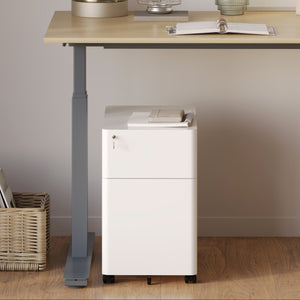







Filing Cabinet Choices for Cleaner Workstation Planning
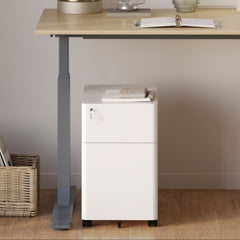
Cleaner workstation planning starts with filing storage that matches the desk, document volume, security needs, and daily workflow. Explore how cab...
Learn more

Visit quiz page to see how we makes it easy to create an inspiring workplace


Extended study sessions require both mental focus and physical endurance. When the body becomes tense or strained, concentration slips and learning efficiency drops. A comfortable chair supports stability, reduces strain, and enables the mind to remain engaged for longer intervals without unnecessary physical distractions.
When discomfort builds, the brain diverts attention away from the task to manage pain signals. Even subtle tension in the lower back or shoulders can chip away at focus. A well-designed study chair minimizes these interruptions so that students can direct their full cognitive capacity toward reading, writing, and problem solving.
Sitting for extended periods restricts natural movement patterns. This results in compressed lumbar discs, reduced circulation, and gradual stiffness. As the body compensates, posture deteriorates and fatigue accelerates. Supportive seating interrupts this cycle by maintaining alignment and encouraging small posture adjustments that help keep energy levels steady.
Restlessness, shifting weight repeatedly, tingling in the legs, and rising neck tension are common signs that a chair is not supporting long-duration study. When students feel compelled to stand more often than they intended or struggle to maintain a stable reading posture, the chair often plays a direct role. These indicators highlight the need for a seating solution that better matches long-session requirements.
Healthy sitting begins with a neutral spine. A proper chair supports the natural curve of the lower back. When spinal alignment is maintained, the rest of the body can relax into a stable position that reduces muscular effort. This alignment becomes essential for study sessions that extend beyond an hour because it preserves mental clarity by lowering physical strain.
Every student differs in height, body proportions, and study habits. This makes adjustability a core requirement for extended sitting. Ideal study chairs include options to modify seat height, arm support, backrest angles, and in some cases, seat depth. These adjustments allow learners to shift from reading to typing to annotating while maintaining consistent support. Micro adjustments throughout the day also help prevent fatigue by enabling natural movement.
Material choice influences comfort more than many students realize. Firm yet resilient foam supports long-term posture without sagging. Breathable fabrics help regulate temperature, which becomes increasingly important during multi-hour sessions. Smooth, supportive surfaces prevent pressure points that can disrupt focus. When materials balance softness with structure, the chair can support productive study for extended periods without discomfort.
Authoritative ergonomics principles offer guidance on safe sitting habits. Maintaining a neutral workstation, aligning screen height with eye level, and keeping shoulders relaxed reduces cumulative strain. For readers looking to understand these recommendations in more detail, the resource on OSHA ergonomic guidelines for safe workstation posture provides essential foundational principles that help support long-duration studying.
Backrests that follow the shape of the spine provide targeted support. Contoured designs support the upper back, shoulder blades, and mid spine. By holding these areas in a stable position, the chair reduces muscular tension and allows students to maintain attention for longer periods.
Seat shape influences comfort significantly during long study blocks. Waterfall seat edges reduce pressure behind the knees. Even weight distribution across the cushion helps prevent hotspots that cause unnecessary fidgeting. When the seat geometry supports circulation and alignment, students experience fewer distractions from physical discomfort.
Natural movement is essential for long-term comfort. Chairs that allow small shifts reduce stiffness and help maintain alertness. Controlled mobility, such as slight rocking or flex in the backrest, can support the body without compromising stability. This movement sustains focus and makes long sessions feel more manageable.
Study environments influence mental clarity. Clean lines and minimal visual clutter promote calmness and prepare the mind for deep work. Chairs with simple, harmonious forms can support this effect. When a study area looks intentional and balanced, it becomes easier to transition into a productive mindset.
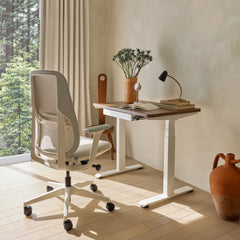
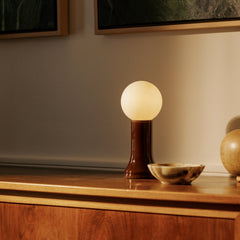
Chairs with sculpted frames often support a relaxed yet stable posture suited for deep reading and reflective work. These styles can be ideal for students who prefer a comfortable, lounge-like position during conceptual thinking or literature-heavy study.
Embedded internal link:
The seating qualities offered by the Muse chair’s sculpted, supportive form align well with this type of immersive studying. Its smooth curves and supportive structure allow the body to settle into a natural position that encourages extended focus.
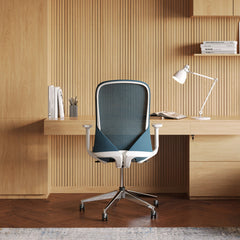
Shell-inspired chairs offer firm contouring and a naturally upright position that suits writing, note taking, and close reading. They support an engaged posture without forcing rigidity, which helps maintain comfort over longer periods.
Embedded internal link:
Students who prefer this upright profile often appreciate the Seashell chair’s contoured study-friendly shape for its molded structure that guides the body into balanced alignment.
Some learners benefit from chairs that blend softness with supportive ergonomics. These hybrid designs reduce pressure points while keeping the spine properly aligned. They work well for students whose study patterns include frequent shifts between relaxed reading and structured laptop work.
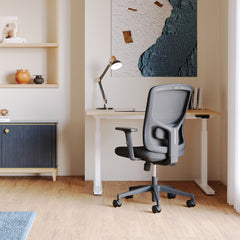
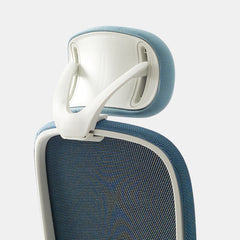
Students engaged in varied academic tasks require a chair that adapts to multiple working positions. Height adjustments help align screens and desks. Arm support helps maintain relaxed shoulders while typing. Reclining tension and backrest tilt help relieve stress during longer blocks of study.
Embedded internal link:
These features are present in the adjustable Ergonomic Novo chair for focused task work, which supports transitions between deep reading, writing, and on-screen tasks.
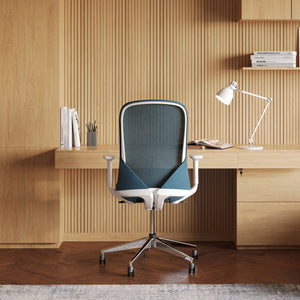
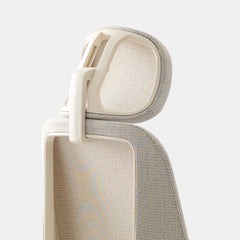
Performance-oriented ergonomic chairs emphasize support, ventilation, and durability. Mesh backs promote airflow that prevents overheating during extended concentration. High backrests support the spine from pelvis to neck. These characteristics help sustain endurance during demanding academic sessions.
Embedded internal link:
Students who need structured support often rely on the Ergonomic Onyx chair’s ventilated, structured support for improved comfort across long study intervals.
Anthropometric fit plays a major role in long-term comfort. Smaller students may need shorter seat depths, while taller individuals benefit from higher backrests and extended seat pans. Seat firmness should also align with body weight to maintain balanced pressure distribution. When these factors align, comfort remains consistent over time and helps reduce fatigue during extended studying.
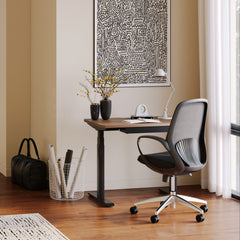
A chair's effectiveness depends greatly on the desk it pairs with. Desk height determines shoulder posture and neck alignment. The work surface should allow comfortable elbow support without lifting or dropping the shoulders. A sturdy desk also promotes stable writing and typing, reducing unnecessary physical tension.
Embedded internal link:
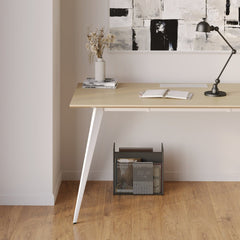
Students who need dependable support can benefit from a stable office desk suited for ergonomic study setups to ensure proper alignment with their chair.
Standing for short intervals helps restore circulation, refresh attention, and reduce stiffness. Alternating between sitting and standing encourages healthy movement patterns that sustain productivity across extended study blocks.
Embedded internal link:
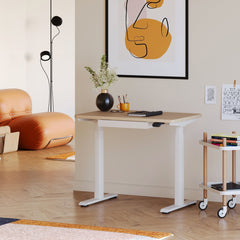
A flexible workstation, such as a height-adjustable standing desk for active studying, can make these transitions smooth and natural.
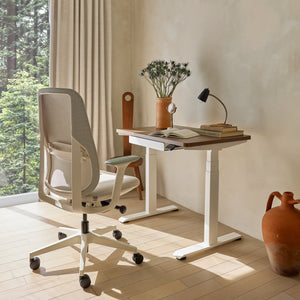
Students working in compact rooms or shared environments can still create ergonomic study spaces. Smaller desks with efficient layouts help maintain alignment without crowding. These setups allow students to stay organized and comfortable even in tighter quarters.
Embedded internal link:
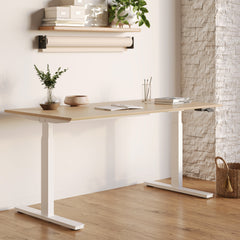
These needs are well supported by a compact mini standing desk for tight study spaces, which fits small environments while still encouraging healthy posture.
A structured trial helps assess whether a chair truly supports long duration study.
• The 5 minute test checks first impressions and basic fit.
• The 30 minute test reveals how the chair supports static posture.
• The 2 hour test highlights deeper comfort patterns, including pressure points and spinal response.
These stages help determine whether the chair maintains comfort beyond the initial adjustment period.
Testing for pressure distribution helps identify whether certain areas of the body are forced to work harder to maintain balance. Adjustability can reduce these pressure points by allowing students to fine tune fit. Seat height, tilt, and arm support should be evaluated together to ensure the chair cooperates with the user's natural posture.
While comfort is the priority, long term performance reflects how well a chair will serve through repeated study sessions. Frame integrity, fabric resilience, and supportive cushioning all contribute to sustained comfort. Chairs that retain their structure well over time help students maintain productive study habits without frequent replacements.
Ergonomic research continues to influence how seating supports learning. Adaptive designs that promote natural movement, personalized adjustment, and breathable support surfaces are becoming increasingly common. As educational demands grow, seating that encourages healthier study habits will play a larger role in student well being.
Adjustable seating is evolving to accommodate a broader range of study styles. Students benefit from adaptable tools that help them maintain comfort during concentrated academic work.
Subtle motion features that encourage small posture shifts support better long term comfort. These designs help reduce the effects of sedentary study patterns by promoting blood flow and alignment.
Study environments that prioritize comfort and support can improve productivity, consistency, and long term satisfaction. When students feel physically supported, they can commit more fully to their academic goals and maintain endurance across challenging workloads.


You have unlocked free shipping!
You're saving $29 and unlocked free shipping!
Leave a comment