













Filing Cabinet Choices for Cleaner Workstation Planning
Cleaner workstation planning starts with filing storage that matches the desk, document volume, security needs, and daily workflow. Explore how cab...
Learn more

Visit quiz page to see how we makes it easy to create an inspiring workplace


Extended study sessions place sustained physical and cognitive demands on the body. A comfortable chair that supports long-duration sitting must reduce strain, stabilize posture, and maintain circulation. When a chair is designed with these needs in mind, it becomes easier for students and professionals to remain attentive without physical discomfort pulling their focus away. Comfortable studying is not only about cushions or soft materials. It is rooted in biomechanics, sensory perception, and the way the body and mind react to prolonged static positions.
The spine is shaped to support weight through natural curves that distribute pressure evenly. When sitting for extended periods, these curves can collapse if the chair lacks firm support. As the pelvis rotates backward, the lower spine flattens, increasing stress on the lumbar discs and soft tissues. Chairs that encourage a neutral pelvis help maintain the natural S-curve of the spine, reducing tension in the lower back and neck.
When the spine is unsupported, muscles must work continuously to maintain upright posture. That ongoing low-level exertion leads to fatigue. A study chair built for long sessions should stabilize the pelvis and spine so that the user relies less on muscular effort and more on structural support.
Physical discomfort competes with cognitive tasks for mental resources. Even small pressure points on the thighs or lower back can repeatedly break concentration. Over long periods, these micro interruptions add up, shortening attention spans and increasing mental wear. A chair that distributes pressure evenly allows learners to immerse themselves in study material without constant adjustments.
Breathing mechanics play an essential role in maintaining clarity during extended study. A slouched posture restricts rib movement and limits diaphragmatic expansion. When airflow is constrained, oxygen intake decreases, which can lead to sluggishness or mental fog. A chair that supports an upright posture helps the diaphragm function more efficiently, enabling deeper, more consistent breathing patterns that sustain cognitive performance.
A chair that is too rigid forces the body into fixed alignment, which can cause stiffness. A chair that is overly soft provides little structure. The ideal balance encourages micro-movements that stimulate circulation without requiring large posture changes. Subtle flexibility in the backrest allows the user to shift weight comfortably, while a stable seat base ensures consistent posture support. This combination allows long study sessions to feel more natural and less fatiguing.
The comfort of a chair over several hours depends on its structural components and design intent. Chairs created with ergonomic principles in mind typically offer a combination of support, adaptability, and balanced pressure distribution. When selecting a chair for long periods of studying, key features make a measurable difference in comfort and endurance.
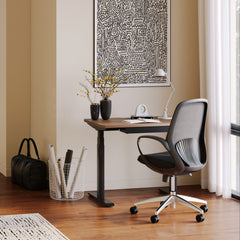
A supportive lumbar region maintains the natural curve of the lower spine, reducing strain and decreasing the likelihood of slouching. Chairs with adjustable lumbar systems provide a tailored fit that adapts to different body shapes. Products such as the Novo chair with adjustable lumbar support provide visible lumbar contouring that helps students maintain stability through long reading or typing sessions.
Seat depth determines how well the chair fits the proportion of the user’s legs. A seat that is too deep causes the user to slide forward, losing back support. A seat that is too shallow limits thigh support and increases pressure on a smaller area. High-density cushions that respond to weight evenly prevent numbness and maintain circulation. Waterfall edges reduce compression on the underside of the thighs, helping blood flow remain consistent even during lengthy study blocks.
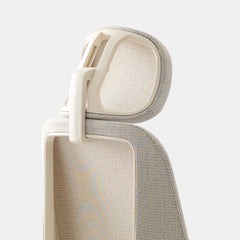
Temperature regulation plays a major role in comfort. Study sessions often involve long periods of stillness, which can lead to heat buildup. Mesh materials encourage steady airflow and help prevent overheating. Fabric-backed chairs add softness but hold more warmth. An ideal study chair uses breathable materials in key areas so the body can stay cool without compromising structural support.
Armrests allow the shoulders to relax, reducing the load placed on the upper trapezius muscles. Adjustable height, angle, and width ensure that the arms rest in a natural position. Without this support, students often elevate their shoulders unconsciously, leading to tension headaches or neck stiffness. Proper armrest positioning helps maintain comfort during note-taking, reading, or computer work.
A comfortable study chair must work in harmony with an appropriate desk setup. Even the best chair cannot compensate for a desk height that forces awkward postures. Chair and desk geometry must align properly to create a healthy, sustainable study environment.
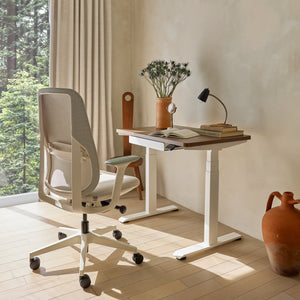
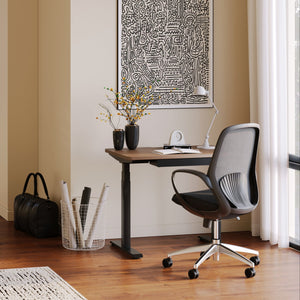
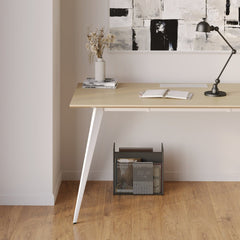
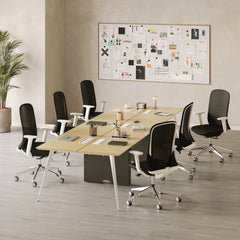
The surface height of the desk affects overall posture from the shoulders to the fingertips. Ideal height allows the elbows to bend around ninety degrees, with the forearms parallel to the desk surface. Wrist neutrality reduces pressure on tendons and nerves. A workstation such as the office desk with a simple, ergonomic layout supports this alignment by offering a clean, consistent surface height that pairs well with ergonomic seating.
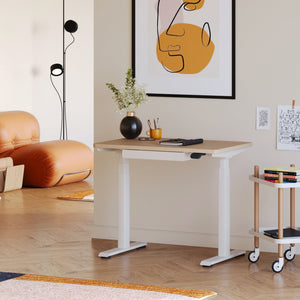
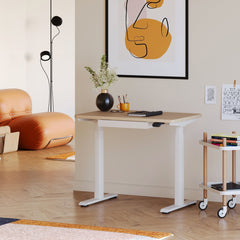
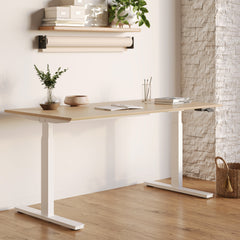
Changing position periodically breaks strain patterns and refreshes circulation. Standing allows the hips to open and redistributes pressure away from compressed areas. Modern study environments often incorporate surfaces like the standing desk designed for height variation, which supports smooth transitions between sitting and standing. These transitions help students maintain comfort and stay alert during extended work sessions.
Poorly arranged study materials can cause unnecessary twisting or reaching. Proper placement of monitors, books, and writing tools within a natural arm radius reduces repetitive strain. By keeping frequently used items close, the user minimizes posture interruptions and maintains a stable, comfortable position.
When feet are grounded, the entire body stabilizes. Chair height influences knee angle, which affects circulation and posture. A setup that allows both feet to rest firmly on the floor while maintaining ergonomic desk alignment improves overall comfort. The relationship between chair and desk height is central to long-term study endurance.
Different chair types meet different needs. While ergonomic task chairs offer adjustability, minimalist or shell-style chairs may be better suited for compact or multipurpose spaces. Understanding each category helps students choose a chair that best supports their environment and study habits.
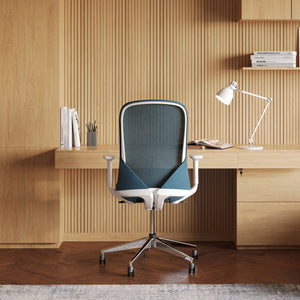
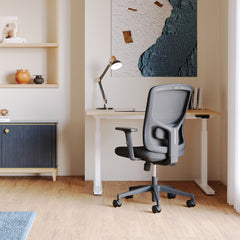
Ergonomic performance chairs include multiple adjustable elements that adapt to various postures and tasks. Features such as supportive backrests, adjustable armrests, and responsive seat padding make them strong options for long study periods. The Onyx ergonomic task chair design provides these characteristics, making it suitable for sustained academic workflows.
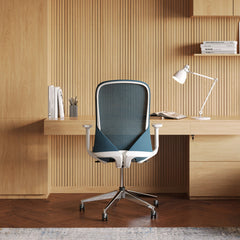
Some study spaces require smaller, visually unobtrusive seating. Minimalist chairs offer comfort in a more compact format. While they may not offer full adjustability, they often provide a clean, supportive structure. The Muse chair’s compact profile offers a simple form with soft seating that works well in smaller spaces or multipurpose rooms.
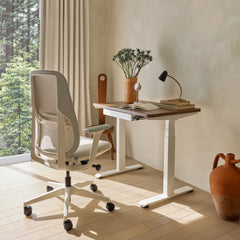
Shell-style chairs feature sculpted forms that naturally encourage upright posture. These chairs suit users who shift between formal study and more relaxed reading positions. The Seashell chair with contoured seating provides a molded seat that supports flexible study habits while maintaining visual appeal.
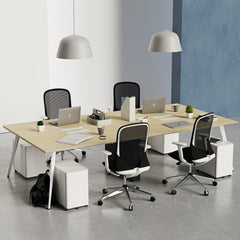
When chair and desk are chosen together, the overall function of the study area improves. Matching heights, styles, and workspace needs ensures comfort and coherence. A wide range of pieces, such as those in the versatile desk collection for study setups, makes it easier to coordinate a workspace that supports long-duration study comfort.
The type of study tasks performed influences the best chair choice. Reading-intensive work may require stable back support, while design or technical tasks may benefit from higher mobility. Selecting a chair aligned with the user’s academic activities strengthens long-term comfort and productivity.
Ergonomics research provides practical strategies that reduce strain and support healthy posture during long study sessions. These guidelines emphasize gradual adjustments, microbreaks, and awareness of bodily signals.
Microbreaks help reset posture and stimulate circulation. Even brief pauses to adjust position or stretch the legs can prevent stiffness. Students who intentionally shift their weight or alter posture at regular intervals often experience more sustained comfort, and resources such as ergonomic guidelines from OSHA provide foundational insight into safe sitting principles.
Adjustments such as setting the monitor at eye level, keeping feet flat on the floor, and ensuring that elbows remain close to the body help prevent discomfort. These adjustments reduce unnecessary muscle effort and encourage naturally aligned posture.
Comfort directly influences cognitive efficiency. When physical distractions are minimized, the mind remains more fully engaged. Proper posture improves breathing and circulation, which contributes to mental clarity and sustained concentration.
Early signals such as tingling, stiffness, or repeated slouching should not be ignored. Addressing these sensations promptly through posture adjustments or short movement breaks prevents discomfort from escalating into a barrier to focus.
Creating an environment that encourages focus involves more than selecting the right chair. Ambient conditions and consistent setup habits influence long term comfort, making it easier to sustain attention and maintain productivity.
The relationship among chair height, desk height, and user posture determines how comfortably a person can work. A well balanced geometry keeps the head, neck, and back aligned while reducing strain on the wrists and shoulders. When these elements work together, studying feels more natural and less physically demanding.
Lighting, temperature, and noise shape how comfortable a workspace feels. Bright, glare free lighting supports reading, while a cool and quiet environment reduces sensory fatigue. Carefully managing these conditions elevates the comfort of both chair and workspace.
Study needs often change as workloads shift or new tasks arise. Modular or adaptable furniture supports these changes without compromising comfort. Pieces that can be repositioned, repurposed, or paired with different elements of the workspace create long term flexibility.
Comfort grows when ergonomically aligned habits become routine. Repeated use of a supportive setup trains the body to maintain healthy posture with less conscious effort. Over time, this consistency results in more comfortable, distraction free study sessions.


You have unlocked free shipping!
You're saving $29 and unlocked free shipping!
Leave a comment