



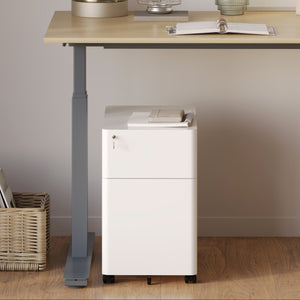






















Filing Cabinet Choices for Cleaner Workstation Planning
Cleaner workstation planning starts with filing storage that matches the desk, document volume, security needs, and daily workflow. Explore how cab...
Learn more
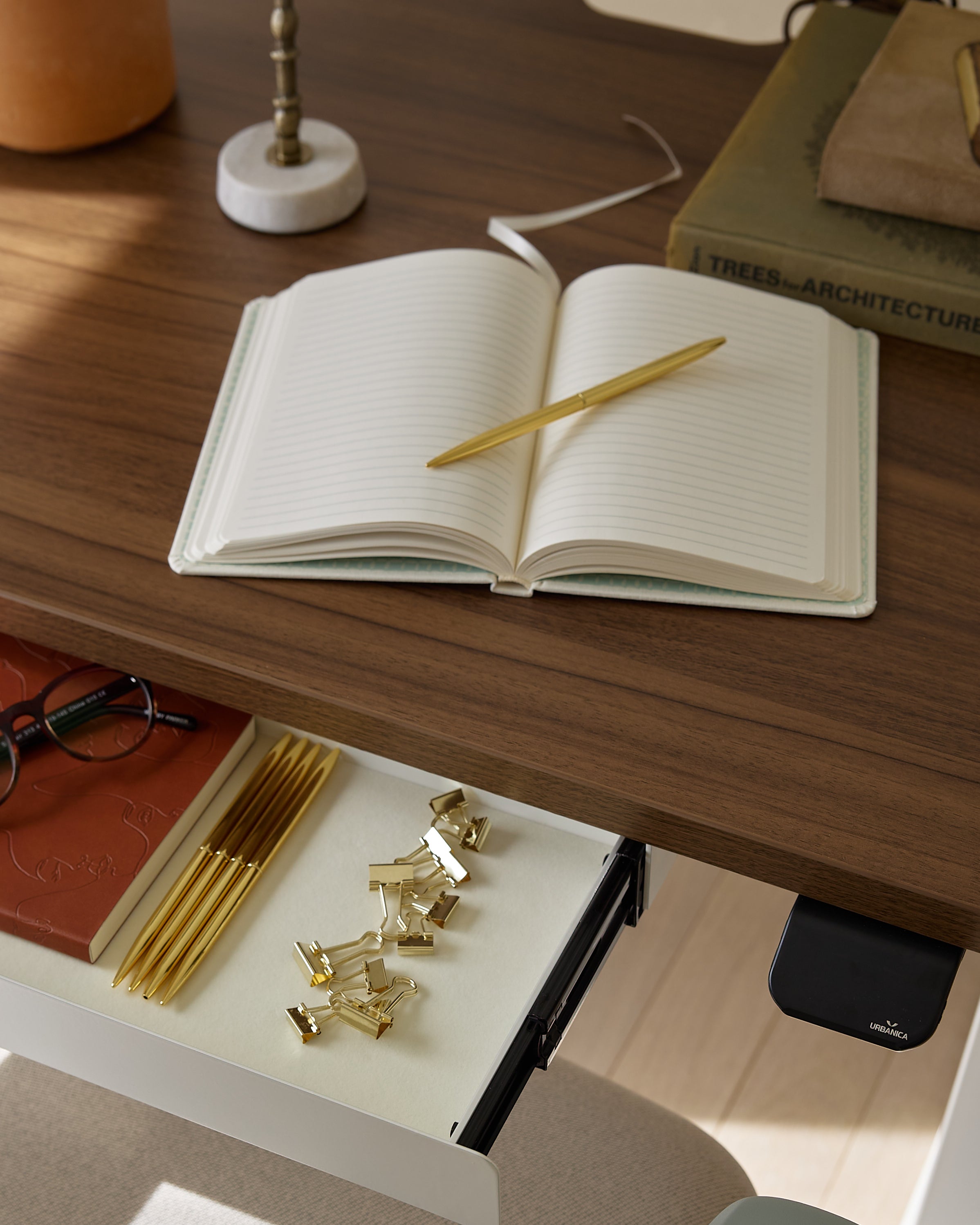
Visit quiz page to see how we makes it easy to create an inspiring workplace


Shopping for furniture should feel exciting, not stressful. Whether you are upgrading your home office or completely transforming your workspace, every piece you buy must feel right the moment it arrives. This is why risk-free shopping matters. You deserve the chance to experience the chair you will sit in every day and the desk you will rely on for hours of work. Touching, testing and trying furniture in your actual environment helps you understand how it fits your workflow, your space and your body.
Many people assume they can judge comfort or ergonomics by looking at photos online, but furniture interacts with you in real life. The height of a desk relative to your chair, the way armrests align with your shoulders and the amount of leg space you need are not guesses you should make. When you test items at home, those details reveal themselves immediately.
Below, we explore why risk-free shopping is essential for smart furniture decisions, how it improves long-term comfort and how you can be sure your workspace supports your health. Each section helps you evaluate real comfort, function and durability before fully committing, including options like the Mini Standing Desk California, which you can try in your own space.
Risk-free shopping gives you the chance to understand whether furniture genuinely works for you. Photos and product descriptions help, but physical experience is far more accurate.
When you test an office chair or office table at home, you notice:
How it fits with your posture.
How it responds during long hours of work.
How it performs in your existing space.
Whether it improves or restricts movement.
The moment you place a desk or chair in a real-world environment, you feel the difference between “looks nice” and “perfect match.”
A desk or chair might feel comfortable in a showroom, but your home office is where comfort truly matters. Lighting, available space, flooring and the height of nearby furniture all influence how your body responds throughout the day.
Wrist positioning while typing.
Chair height relative to the floor.
Eye level when looking at a monitor.
Leg movement under the table.
Whether the desk shape supports your workflow.
When you can return or exchange furniture without risk, you make decisions based on real comfort rather than guesswork.
Your workspace should adjust to you, not the other way around. That is why having access to a flexible standing desk matters. When you can elevate or lower your desk, you gain more control over your posture and work style.
Smooth height adjustment.
Stability at different levels.
Enough room for two monitors and accessories.
Easy transition between sitting and standing.
Whether your workflow feels more natural.
Testing these features in your environment helps you understand how they affect your focus and comfort throughout the day.
Buying furniture online often involves guessing. Risk-free shopping removes that. When you can test an office desk at home, you instantly know:
If the width fits your wall.
If the depth gives you enough arm distance.
If your chair slides under comfortably.
If the materials match your interior style.
You also see how the desk interacts with lighting, cables and the room layout. These details shape the experience of your workspace more than most people expect.

Even the best-looking chair might not support you well. Good ergonomics depend on angles, pressure distribution and support. These are physical sensations, not visual ones.
Seat depth and how it supports your thighs.
Lumbar support and how it maintains your spine curve.
Armrest alignment with your desk height.
Head and neck comfort during long work sessions.
These evaluations help you decide whether the chair truly works for your daily routine.
Comfort and health go hand in hand. Good office setups reduce strain on your eyes, hands, back and legs. You can use practical ergonomic recommendations while testing furniture at home to ensure your body receives proper support.
Keep screens at eye level.
Ensure elbows form a natural angle.
Maintain feet flat on the floor.
Allow shoulders to stay relaxed.
Support wrists while typing.
Testing furniture with these principles gives you a clear sense of whether the setup encourages comfort or strain.
Furniture does not work alone. Accessories help you customize your comfort further. For example, adding supportive equipment like an ergonomic arm can help you maintain better posture throughout the day.
Better wrist support.
Reduced shoulder tension.
Improved typing posture.
More natural arm movement.
Increased overall productivity.
Being able to test these accessories at home ensures they complement your furniture.
A well-designed chair should move with your body. You should feel supported whether you lean back, sit forward or shift throughout the day. Pieces like an ergonomic chair show you how comfort evolves when the design adapts to your posture rather than forcing your body to adapt to it.
Recline tension.
Adjustable lumbar support.
Armrest flexibility.
Seat height range.
Breathability and cushioning.
When you can test all of this risk-free, it is easier to choose a chair that keeps you comfortable every hour.
Here is a simple comparison table to guide your testing process at home.
|
Feature to Test |
Why It Matters |
What to Look For |
|
Desk Height |
Prevents shoulder and wrist strain |
Natural arm angle at 90 degrees |
|
Chair Support |
Protects lower back |
Adjustable lumbar and soft cushioning |
|
Workspace Fit |
Avoids clutter and discomfort |
Proper width, depth and leg clearance |
|
Standing Function |
Boosts circulation |
Smooth transitions and stable surface |
|
Arm Support |
Reduces wrist pressure |
Adjustable positions and comfort |
This table helps you evaluate furniture more confidently during risk-free trials.
Use this checklist after testing your furniture at home:
Fits the room properly
Allows smooth movement
Matches your existing furniture
Supports your back naturally
Keeps wrists at a neutral angle
Provides enough legroom
Encourages good posture
Desk is stable at all heights
Chair adjusts to your preferred posture
Accessories align with daily tasks
Materials feel strong
Movement parts operate smoothly
No wobbling or instability
Completing this checklist ensures your workspace supports your health and productivity.

Buying furniture is not just about style or features. It is about how each piece makes you feel while you work, create and think. Risk-free shopping gives you the freedom to experience everything firsthand, from the comfort of your chair to the functionality of your desk. When you test furniture in your own workspace, you make decisions that genuinely support your comfort and creativity.
Your workspace should be a place where your body feels at ease and your mind stays focused. Experiencing your furniture at home is the most reliable way to build that environment. Trust what you feel, listen to your body and create a workspace that supports you daily. If you ever wondered whether comfort, health and productivity can truly align, the answer is yes. You simply need the chance to try, test and experience it for yourself.


You have unlocked free shipping!
You're saving $29 and unlocked free shipping!
Leave a comment