



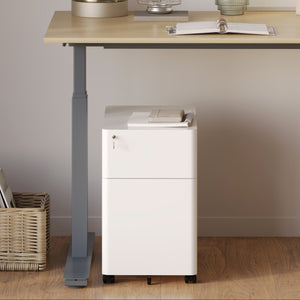






















Filing Cabinet Choices for Cleaner Workstation Planning
Cleaner workstation planning starts with filing storage that matches the desk, document volume, security needs, and daily workflow. Explore how cab...
Learn more
Visit quiz page to see how we makes it easy to create an inspiring workplace


There is a common misconception that comfort equals laziness. In many workplaces, rigid chairs and stiff desks were once considered symbols of discipline. If it felt hard, it must be productive. If it feels comfortable, it must be distracting.
Modern research and real-world experience tell a different story. Comfort does not encourage laziness. Poor comfort encourages distraction. When your back aches or your shoulders tighten, your focus shifts away from the task at hand. True productivity comes from furniture that supports the body while allowing the mind to stay engaged.
Comfortable furniture is not about sinking into softness. It is about structured support that enhances endurance and performance.
For years, workplace culture valued rigid seating and fixed desks. The belief was simple. If you were comfortable, you would relax too much. However, discomfort does not inspire discipline. It creates tension.
Investing in proper Office Furniture California solutions ensures that comfort is aligned with ergonomic science. A structured desk and supportive chair create a foundation where physical strain does not interfere with concentration.
When furniture is uncomfortable:
Muscles compensate
Posture collapses
Energy drains faster
Attention weakens
Comfort, when engineered correctly, removes physical barriers to performance.
There is a difference between lounge comfort and ergonomic comfort. A couch may feel relaxing but lacks posture alignment for extended work. Ergonomic furniture prioritizes structure.
Structured comfort includes:
Lumbar support
Adjustable height
Balanced seat depth
Stable surfaces
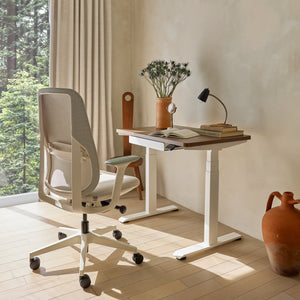
A flexible standing desk allows you to shift between sitting and standing, preventing stiffness and improving circulation. This type of comfort promotes alertness rather than laziness.
Benefits:
Reduced spinal compression
Increased blood flow
Renewed energy
A solid office desk provides consistent support for monitors, keyboards, and work materials. Stability reinforces focus because you are not constantly adjusting your posture or tools.
Comfort and structure go hand in hand.
Research on the science of productivity design shows that well-designed environments improve focus and reduce fatigue. When the body feels supported, the brain can dedicate more energy to complex tasks.
Physical discomfort divides attention. Small aches grow into mental interruptions.
Common discomfort-related distractions:
Shifting in your chair
Rubbing your neck
Stretching repeatedly
Adjusting posture constantly
Ergonomic furniture eliminates these micro-distractions. It allows sustained concentration for longer periods.
Comfort is not indulgence. It is efficient.
Even comfortable chairs require proper alignment. When screens sit too low or too high, posture deteriorates.
An adjustable monitor arm ensures your screen remains at eye level. This prevents forward head posture and keeps the spine aligned.
Active posture means:
Shoulders relaxed
Elbows at 90 degrees
Feet flat on the floor
These elements promote energy rather than lethargy.
Laziness is not caused by comfort. It is caused by stagnation. Ergonomic furniture encourages micro-movements and position changes.
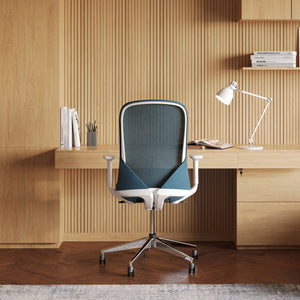
A supportive ergonomic chair allows tilt adjustments and dynamic seating, which keeps muscles engaged.
Advantages:
Improved circulation
Reduced stiffness
Better spinal alignment
Switching between sitting and standing refreshes the mind. Comfort that adapts prevents fatigue and boredom.
Movement fuels productivity.
Comfort signals safety. When the body feels stable and supported, stress decreases. Reduced stress improves clarity and decision-making.
Uncomfortable environments create subtle anxiety. You may not consciously notice it, but your nervous system does.
Supportive furniture promotes:
Confidence
Calm focus
Sustainable performance
Comfort enhances, not diminishes, ambition.
|
Factor |
Lazy Setup |
Ergonomic Comfort Setup |
|
Seating |
Soft couch |
Structured ergonomic chair |
|
Desk Height |
Fixed and incorrect |
Adjustable alignment |
|
Movement |
Static position |
Alternating sitting and standing |
|
Posture Support |
None |
Lumbar and arm support |
|
Productivity Outcome |
Fatigue |
Sustained focus |
This comparison clarifies that true comfort is strategic, not passive.
Arrange your desk and chair so everything feels natural and accessible.
Keep frequently used tools within reach
Maintain neutral wrist position
Avoid leaning forward
Clutter reduces energy. Clear surfaces enhance clarity.
Choose furniture that offers:
Supportive cushioning
Stable surfaces
Adjustable components
Comfort should feel empowering, not sleepy.
Over time, the benefits compound. Reduced strain leads to fewer sick days. Improved posture prevents chronic pain. Sustained focus boosts output.
Comfortable furniture is an investment in long-term performance. It supports both physical health and professional growth.
When the body feels aligned, the mind can work without interruption.
There is a clear distinction between comfort that supports productivity and comfort that promotes complacency. Structured ergonomic furniture keeps the body aligned, alert, and engaged. It does not allow you to collapse into poor posture or disengage from tasks.
True performance comfort:
Encourages upright posture
Supports natural spinal curves
Keeps muscles active
Allows smooth transitions between positions
Overly soft seating without support often leads to slouching. Fixed desks without adjustability limit movement. These setups may feel relaxed at first but quickly drain energy.
Signs of complacent setups:
Leaning back excessively
Constant shifting
Reduced alertness
Frequent stretching due to stiffness
Ergonomic design creates a balance between support and flexibility. When furniture works with your body instead of against it, you maintain energy longer and complete tasks more efficiently.
Comfort becomes productive when it is intentional.
Before assuming comfort reduces discipline, review this checklist to ensure your workspace promotes performance.
Choose structured ergonomic seating
Adjust desk height properly
Align monitor at eye level
Alternate between sitting and standing
Keep shoulders relaxed
Maintain neutral wrist alignment
Avoid overly soft seating
Keep work surfaces stable
Encourage movement throughout the day
Prioritize long-term posture health
Comfortable furniture does not weaken productivity. It strengthens it. The right design supports focus, encourages movement, and sustains energy.
When comfort is engineered with purpose, it becomes a tool for performance, not an excuse for distraction.


You have unlocked free shipping!
You're saving $29 and unlocked free shipping!
Leave a comment