



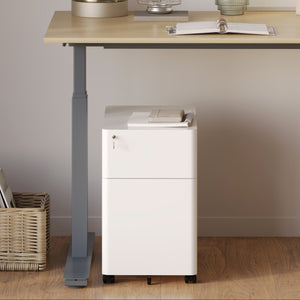






















Filing Cabinet Choices for Cleaner Workstation Planning
Cleaner workstation planning starts with filing storage that matches the desk, document volume, security needs, and daily workflow. Explore how cab...
Learn more
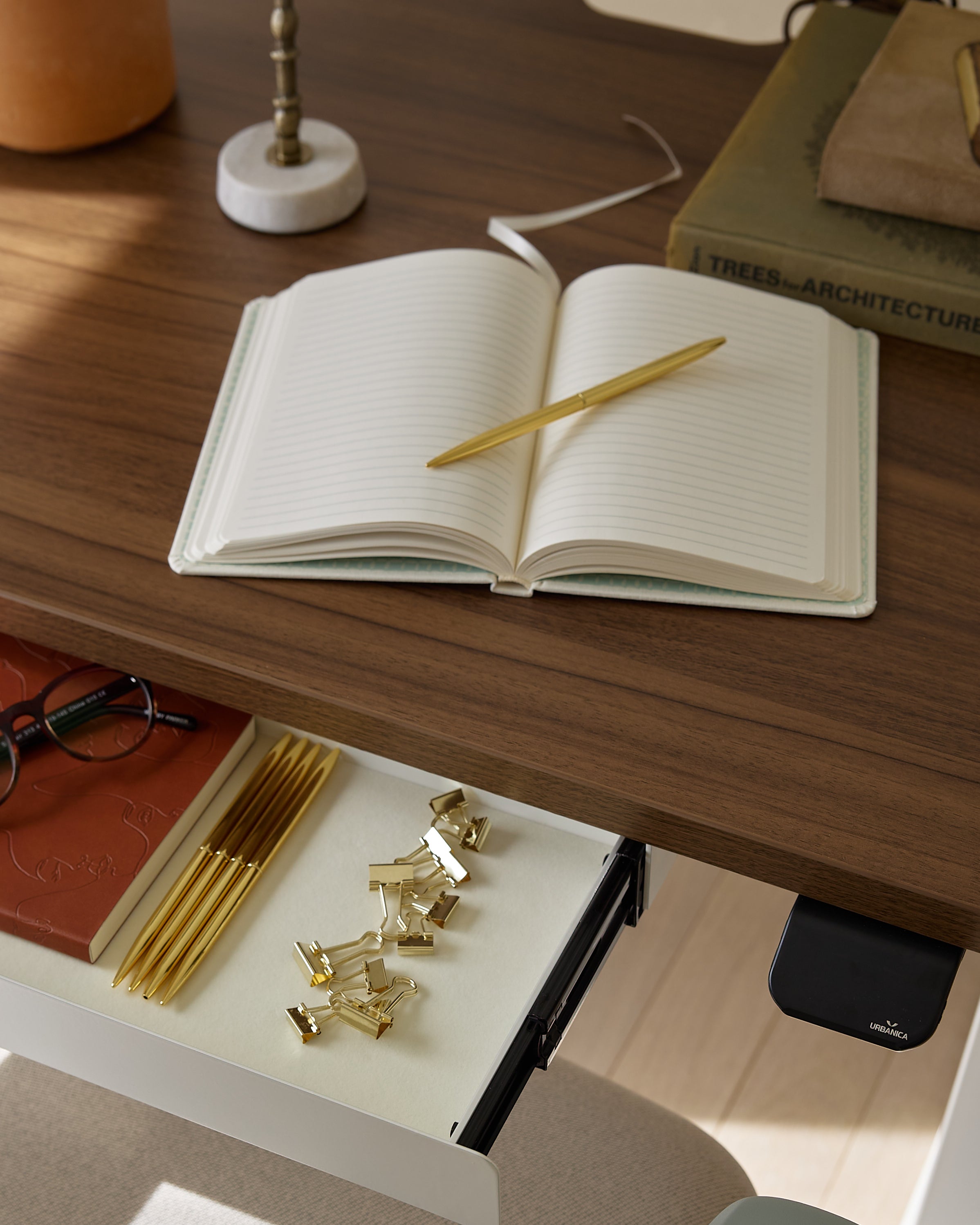
Visit quiz page to see how we makes it easy to create an inspiring workplace


Work has changed dramatically over the past few years. More people are working longer hours, often from home or hybrid setups, and spending extended time in front of screens. With this shift, the importance of comfort and physical support has become impossible to ignore. Ergonomic furniture is no longer a luxury. It is a necessity for maintaining both productivity and well-being.
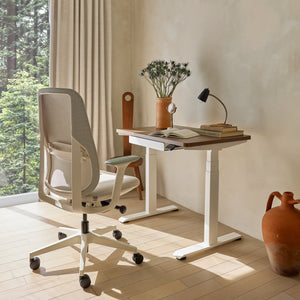
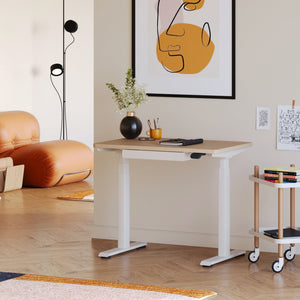
Simple changes, like upgrading to a Small Standing Desk California option, can create a more flexible and healthier work routine. When your workspace supports your body, your work naturally improves.
Ergonomics is about designing your workspace to fit your body instead of forcing your body to adapt. In the past, people worked shorter hours at desks, and the long-term effects of poor posture were less noticeable. Today, with extended screen time and fewer breaks, these issues have become more serious.
Ignoring ergonomics can lead to:
Chronic back pain
Neck and shoulder tension
Reduced focus and productivity
Increased fatigue
When your body is uncomfortable, your mind follows. You spend more time adjusting your position than completing tasks. Ergonomic furniture helps eliminate these constant interruptions, allowing you to stay focused for longer periods.
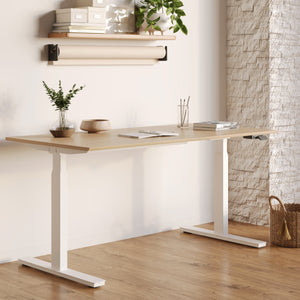
A well-designed standing desk allows you to alternate between sitting and standing throughout the day. This flexibility reduces pressure on your spine and encourages better circulation.
Staying in one position for too long creates stiffness and fatigue. When your body feels restricted, your productivity drops.
Benefits of a flexible desk setup:
Improved blood flow
Reduced lower back pressure
Increased energy levels
Look for desks that offer:
Smooth height adjustment
Stable structure
Enough space for essential tools
These features help create a workspace that adapts to your needs rather than limiting them.
The layout of your workspace determines how often you move, reach, and adjust your posture. Poor layout forces repetitive movements that lead to discomfort over time.
According to this ergonomic study, small adjustments in workstation setup can significantly reduce physical strain and improve comfort.
To create a better ergonomic setup:
Keep frequently used items within reach
Position your screen at eye level
Align your keyboard and mouse properly
When everything is placed correctly, your body stays in a neutral position. This reduces strain and allows you to focus on your work instead of adjusting your posture.
A proper desk is the foundation of an ergonomic workspace. It determines how you position your equipment and how comfortably you can work.
A functional office desk provides enough space to organize your tools without creating clutter. It also supports proper alignment of your monitor, keyboard, and accessories.
When your desk supports your natural posture, you avoid unnecessary strain and maintain better focus throughout the day.
Accessories play a major role in completing an ergonomic setup. An ergonomic arm helps position your screen at the correct height and angle, reducing neck and eye strain.
Improper screen placement forces you to look down or up for extended periods. This creates tension in your neck and shoulders.
With proper positioning, you can:
Maintain a neutral head position
Reduce eye fatigue
Improve posture
Consider incorporating:
Monitor arms for flexibility
Cable organizers for a clean workspace
Desk mats for comfort
These additions enhance your workspace without requiring major changes.
Your chair is one of the most important components of your workspace. A poorly designed chair can lead to constant discomfort, forcing you to shift positions and lose focus.
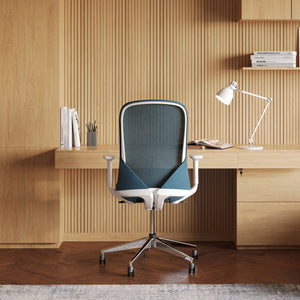
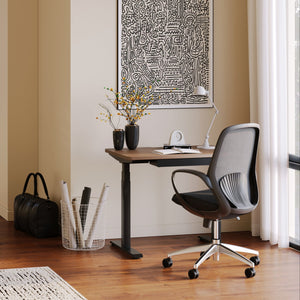
A supportive ergonomic office chair helps maintain proper spine alignment and reduces pressure on your lower back. This allows you to stay comfortable and focused throughout the day.
When your seating supports your body, you can work longer without experiencing fatigue or discomfort.
|
Furniture Type |
Key Benefit |
Problem Solved |
Ideal Use Case |
|
Standing Desk |
Encourages movement |
Prolonged sitting |
Long work sessions |
|
Office Desk |
Organized workspace |
Poor layout |
Daily tasks |
|
Ergonomic Chair |
Supports posture |
Back and neck pain |
Extended sitting periods |
|
Monitor Arm |
Adjustable screen height |
Eye and neck strain |
Screen-heavy work |
|
Minimal Setup |
Reduces distractions |
Visual clutter |
Focused work environments |
An ergonomic workspace is not just about one piece of furniture. It is about how everything works together.
Adjustable desk for flexibility
Supportive chair for comfort
Proper monitor placement
Organized workspace layout
When all elements are aligned, your workspace becomes a system that supports your body and your work. This leads to better productivity and long-term comfort.
Investing in ergonomic furniture is not just about immediate comfort. It has lasting benefits that improve both your health and your performance.
These benefits include:
Reduced risk of chronic pain
Improved posture over time
Increased productivity
Better focus and mental clarity
Over time, these improvements can significantly enhance your overall work experience.
Creating an ergonomic workspace does not have to be complicated. It starts with small, intentional changes that improve comfort and reduce strain.
Use a desk that supports flexible positioning
Choose a chair that maintains proper posture
Keep your screen at eye level
Organize your workspace for efficiency
Add ergonomic accessories where needed
Reduce clutter to improve focus
Take regular breaks to move and stretch
When your workspace is designed with your body in mind, work becomes easier and more enjoyable. Ergonomic furniture is not just about comfort. It is about creating a sustainable way to work that supports both your health and your productivity.


You have unlocked free shipping!
You're saving $29 and unlocked free shipping!
Leave a comment